Sasha Shtern
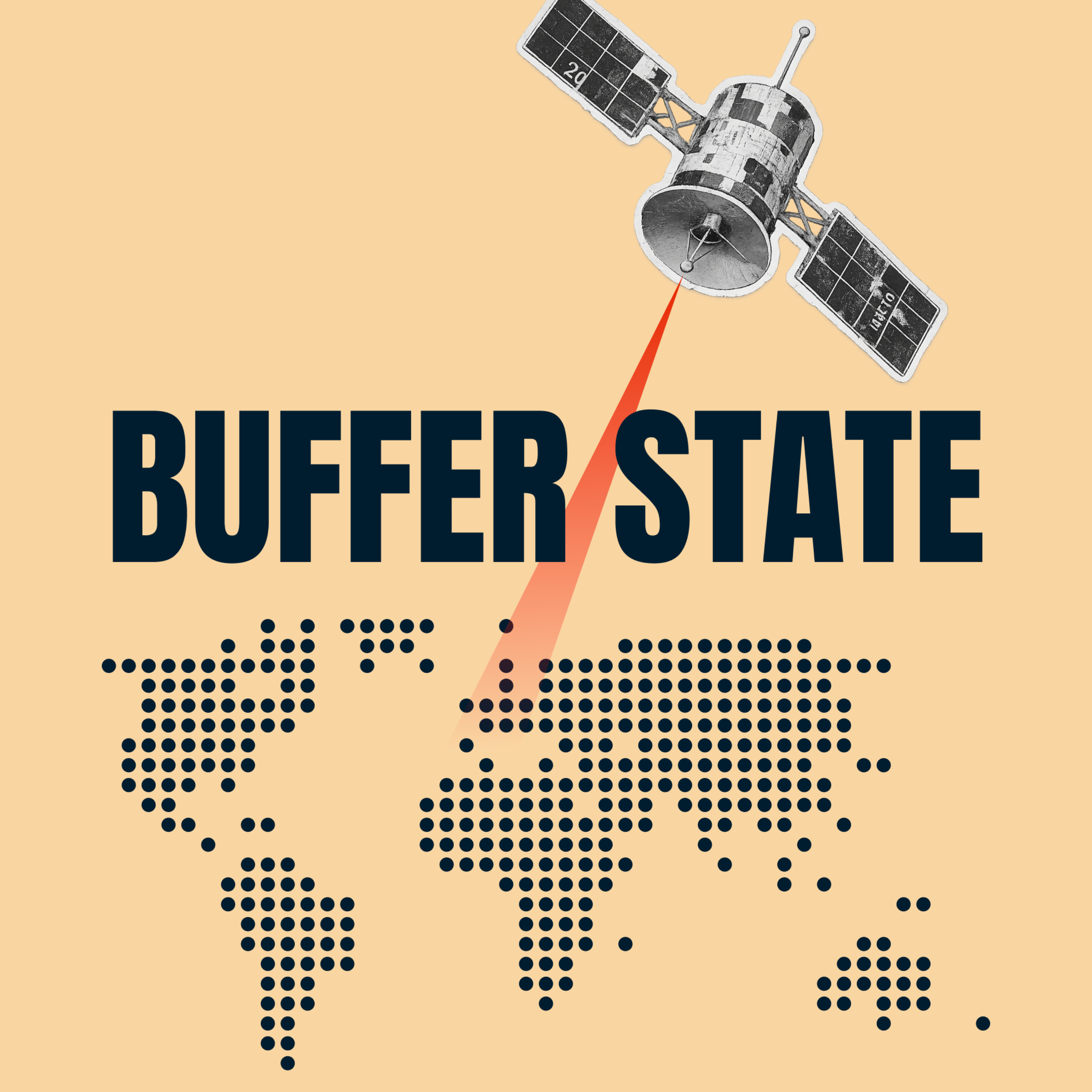
The Buffer State
The Buffer State is about geopolitical power in the age of computation. We examine how software, computing power, and access to space reshape the instruments of trade, deterrence, and coercion.
Autor
Sasha Shtern
Categoría
Web del podcast
Último episodio
2 de jul. de 2026
¿Dónde escuchar?
Podcasts en la app Replaio Radio Muy prontoLos podcasts llegarán muy pronto a la app. Instálala ahora y sé el primero en descubrir una forma totalmente nueva de vivir los podcasts
 Instálala gratis
Android 5 M+ de descargas · valoración de 4,8
iOS muy pronto
Instálala gratis
Android 5 M+ de descargas · valoración de 4,8
iOS muy pronto
Episodios
Geopolitics of Oil & Gas according to Liberty Energy CEO 02.07.2026 47:07
Energy is not just a commodity. It is the physical foundation beneath prosperity, industry, military power, and the computational economy. In this episode of Buffer State, Sasha Stern and Reed Smith sit down with Ron Gusek, CEO and President of Liberty Energy, to discuss energy security, oil and gas, China, global supply chains, and the future of American power. Gusek argues that energy policy can...
Uncle Sucker: Why America Pays for Everyone's Security 24.06.2026 52:57
America is the most secure great power in modern history. But does that security make it more careful — or more willing to fight? In this episode of Buffer State, Sasha Stern and Reed Smith sit down with Justin Logan, Director of Defense and Foreign Policy Studies at the Cato Institute, to discuss Iran, American restraint, military power, diplomacy, drones, missile defense, and the future of U.S....
Are American Security Guarantees a Collective Delusion? 24.06.2026 48:19
America is the most powerful country in the world. But what should that power actually be used for? In this episode of Buffer State, Sasha Stern and Reed Smith sit down with Ed King, founder and president of Defense Priorities, to discuss American restraint, NATO, foreign policy, and the future of U.S. national security. King argues that the United States enjoys abundant security - and that Americ...
Podcasts similares




Escucha el podcast The Buffer State en Replaio
Radio y podcasts en una sola app - gratis y sin registro. Instálala hoy y no te pierdas el estreno
Replaio no es editor de podcasts; los nombres de los programas, las portadas y el audio pertenecen a sus autores y se distribuyen a través de canales RSS públicos