SPYR
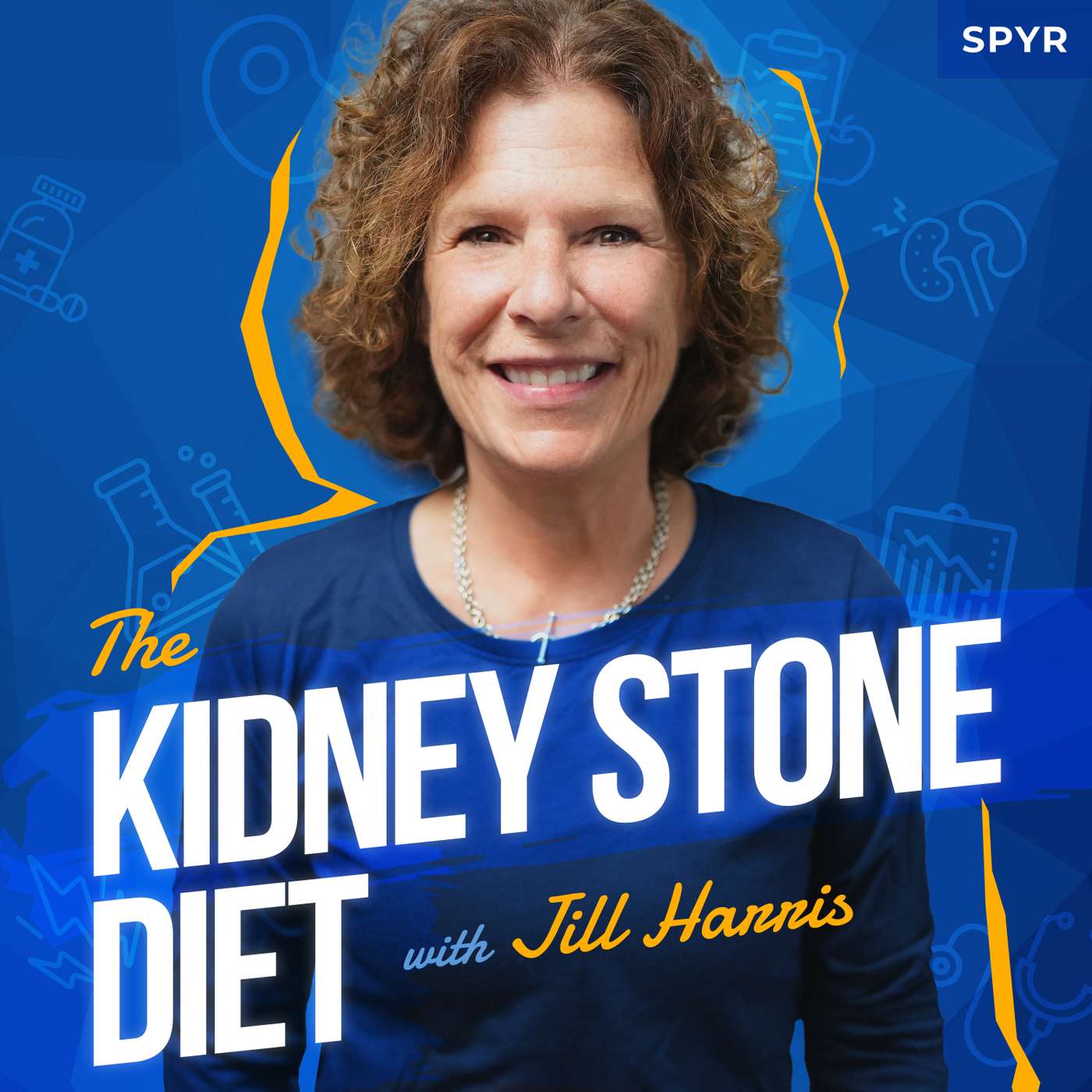
Kidney Stone Diet
Prevent kidney stones and live your best life. Each week, Nurse Jill Harris—Kidney Stone Prevention expert and creator of the Kidney Stone Diet®—answers your questions about kidney stone prevention. Dive even deeper and find everything you need to know about preventing kidney stones at KidneyStoneDiet.com!
No dejes de visitar la web del podcast y apoyar a su creador: kidneystonediet.com
¿Dónde escuchar?
Podcasts en la app Replaio Radio Muy prontoLos podcasts llegarán muy pronto a la app. Instálala ahora y sé el primero en descubrir una forma totalmente nueva de vivir los podcasts
 Instálala gratis
Android casi 10 M de descargas · valoración de 4,8
iOS muy pronto
Episodios
Is Pumpkin High in Oxalate? 27.10.2026 5:24
One cup of pumpkin has only 8.8 milligrams of oxalate. That means you can safely eat pumpkin this fall without fear. We look at the real numbers so you know exactly where your favorite seasonal food stands. We also talk about the spice that always goes with it: cinnamon. Many people cut out cinnamon because other lists label it high in oxalate. Harvard never tested it, but you do not need to ban i...
Are Mango and Pineapple High in Oxalate? 20.10.2026 9:09
Half a mango has only 0.3 milligrams of oxalate. Half a cup of pineapple has just 5.2 milligrams. If you cut these fruits out because you fear kidney stones, you can bring them right back to your plate. We share the real numbers so you can stop stressing over bad food lists. We explain how these tropical treats fit easily into your daily oxalate limit. You will learn why we do not take fruit away...
Chicken, Fish or Red Meat: Which Is Best for Kidney Stones? 14.10.2026 8:56
Swapping a steak for chicken or fish will not lower your kidney stone risk. When it comes to stones, meat is meat. Your kidneys treat turkey, pork, and seafood the exact same way. Eating too much of any animal protein can lower your urine citrate. It can also make your urine too acidic, dropping the pH below 5.8. That gives calcium oxalate and uric acid stones the perfect place to grow. We break d...
Is Cheese Good or Bad for Kidney Stones? 06.10.2026 9:34
One slice of Swiss cheese has 180 milligrams of calcium and under 70 milligrams of sodium. Most cheeses do not look like that. People often tell us they eat cheese to get their daily calcium. The problem is that most cheese is packed with salt. Too much salt makes your kidneys dump calcium straight into your urine. That extra calcium can easily turn into kidney stones. We break down how different...
Is Sparkling Water Bad for Kidney Stones? 29.09.2026 9:16
Your bottle of bubbly water might hide a surprising amount of salt and sugar. Carbonation itself does not cause kidney stones. The carbon dioxide in sparkling water is completely safe. The real trouble comes from what companies add to the bottle. Tonic water often carries a heavy dose of sugar. Many mineral waters sneak in extra sodium and calcium. That can easily throw off your daily targets. We...
Arugula: Spinach Replacement or Another Oxalate Trap? 22.09.2026 7:42
A cup of spinach packs 700 milligrams of oxalate. Half a cup of arugula has only 0.3 milligrams. If you formed a kidney stone, you might feel terrified of all greens. You do not have to pick through your salad with fear. We show you why arugula is a safe swap that brings plenty of peppery flavor. We also clear up bad rumors about kale. Many people wrongly believe kale causes stones, but it is actu...
Pumpkin Seeds, Pistachios, and the Snack Aisle 15.09.2026 7:59
A quarter cup of pumpkin seeds has only four milligrams of oxalate. Yet many people get told to never eat nuts or seeds again after a kidney stone. Fear can quickly make your world feel too small. You might cut out whole food groups that you can safely enjoy. We break down which snacks are actually safe and which ones you should skip. We take away almonds, cashews, and chia seeds. Their oxalate le...
Coffee, Tea, and Kidney Stones: The Caffeine Episode 08.09.2026 10:25
You do not have to give up your morning coffee or tea to stop kidney stones. Many people hear that caffeine causes stones, but that is a myth. Having a couple of cups a day can actually lower your risk by adding to your daily fluids. We explain what really happens with tea, coffee, and oxalate. Tea does have oxalate, especially if you let the bag steep for hours. Still, having one or two normal cu...
Protein Powders in 2026: What I Tell Patients Now 01.09.2026 14:41
Mixing almond milk and chocolate protein powder into your daily smoothie can spike your kidney stone risk. The internet says you need huge amounts of protein every day. You do need protein to keep your muscles strong as you age. But you have to get it safely. We break down what protein powders do to your kidneys and what to buy instead. We look at what is hiding on nutrition labels. You will learn...
Sugar, Honey, Maple Syrup: Which Sweeteners Are Stone-Safe? 25.08.2026 11:00
Honey and maple syrup count as added sugar, just like white table sugar. Eating too much sweetener increases calcium in your urine and lowers your urine volume. Both of those changes make kidney stones much more likely to form. Up to sixty percent of stone formers have high urine calcium, and extra sugar makes that problem worse. We break down how different sweeteners affect your body, including t...
Prevent kidney stones with water 18.08.2026 8:20
You need to make at least two and a half liters of urine every day to stop kidney stones. It is not just about how much water you drink. It is about how much leaves your body. When you pee enough, you flush out tiny mineral crystals. That keeps them from sticking together into painful stones. Two people can drink the exact same amount and pee very different amounts. Salt and added sugar make your...
Watch this if you're eating right and STILL making kidney stones 11.08.2026 10:08
You cut out spinach and almonds completely, but your urine tests still show high oxalate. It is deeply frustrating when you work hard and still make kidney stones. We walk you through why your oxalate stays high even on a healthy diet. We explain how calcium acts like a magnet for oxalate inside your body. When you eat half a sweet potato with cottage cheese, the calcium binds to the oxalate. Your...
You have no idea this is causing your kidney stones 04.08.2026 12:30
Up to 60 percent of calcium kidney stone formers have too much calcium in their urine. You will never know this is happening without a 24-hour urine test. We walk you through the top five reasons your body leaks extra calcium into your urine. We also share what you can do to stop it. High urine calcium often comes from eating too much salt or too much meat protein. Taking high doses of vitamin D c...
The one thing kidney stone doctors get wrong 28.07.2026 9:45
Too many doctors tell patients they are just kidney stone formers. They say nothing can be done. That is simply not true. There is always a reason why your body makes stones. We explain why surgeons often miss prevention steps. We talk about the single most important test you need: a 24-hour urine collection. You will learn what to say if your doctor refuses to order it. We also cover other health...
Is this healthy drink good for kidney stone formers? 21.07.2026 6:10
Kathleen asks whether her daily hibiscus tea—which she drinks to help manage blood pressure—could be putting her at risk for kidney stones. Jill breaks down what really matters with any tea: how much you're drinking, how long you steep it, and why oxalate levels can climb the longer a tea bag sits in hot water. She also shares a simple way to test any food or drink against your own 24-hour urine c...
The Kidney Stone TRUTH about Lemons 14.07.2026 10:20
"Drink lemon water" is the #1 piece of advice kidney stone patients hear from their doctors. But is it actually helping you? In this episode, Jill Harris breaks down why this generic advice can be useless (or even make things worse) when it's not based on your actual results. Jill shares a real patient story: someone who made stones for 20 years, faithfully drank lemon water the whole time, and on...
My patients have been doing this wrong 07.07.2026 16:52
Kidney stone patients are cutting way too many foods out of their diet, and it's making their world smaller and joyless. In this episode, Jill breaks down why "high oxalate" doesn't mean "forbidden," using real numbers from the Harvard Oxalate Food List to show that foods like sweet potatoes, kale, avocados, peanut butter, and blueberries can absolutely fit into a low-oxalate lifestyle in the righ...
What do these lab results mean? 30.06.2026 21:28
For episode 300, we have a first! Jill will walk you through a urine collection, step by step, so you can better understand your results! Get Featured! Leave us a voice message at call.show/kidneystonediet to be featured on the show! Chapters (00:00) - Introduction to Urine Collection and Results (01:55) - Understanding Urine Collection Results (04:21) - The Importance of Hydration (07:42) - Analy...
The Kidney Stone TRUTH about Apple Cider Vinegar 23.06.2026 12:11
This week we separate the truth from the myths about apple cider vinegar and kidney stones. Get Featured! Leave us a voice message at call.show/kidneystonediet to be featured on the show! Chapters (00:00) - Debunking Apple Cider Vinegar Myths (11:01) - Understanding Citrate and Kidney Stones —— When you're ready, here's how I can help Since 1998, I've helped thousands of patients prevent kidney st...
Food-based supplement danger? 16.06.2026 9:37
In this episode, the nuances of calcium supplements, especially food-based and algae-derived options, and their impact on kidney stone risk. We also clarify common misconceptions and provide practical advice for managing calcium intake. Get Featured! Leave us a voice message at call.show/kidneystonediet to be featured on the show! Chapters (00:00) - Introduction to Kidney Stone Risks (01:59) - Und...
How much calcium does it take to flush oxalate? 26.05.2026 12:45
This episode explores the relationship between calcium intake and oxalate in kidney stone prevention, emphasizing the importance of dietary sources over supplements, and debunking common misconceptions about oxalate and calcium pairing. Get Featured! Leave us a voice message at call.show/kidneystonediet to be featured on the show! Chapters (00:00) - Understanding Calcium and Oxalate Interaction (1...
The SECRET about Potassium Citrate 19.05.2026 14:03
This episode explores the role of potassium citrate in kidney stone prevention, discussing its benefits, risks, and dietary considerations. Get Featured! Leave us a voice message at call.show/kidneystonediet to be featured on the show! Chapters (00:00) - Understanding Potassium Citrate and Kidney Stones (12:22) - Practical Advice for Kidney Stone Prevention —— When you're ready, here's how I can h...
The TRUTH about tofu 12.05.2026 8:24
This episode explores the relationship between tofu consumption and kidney stone risk, focusing on oxalate and calcium content, and provides practical dietary advice. Get Featured! Leave us a voice message at call.show/kidneystonediet to be featured on the show! Chapters (00:00) - Understanding Tofu and Kidney Stones (07:31) - The Nutritional Value of Tofu —— When you're ready, here's how I can he...
WORST foods for kidney stones in 2026 05.05.2026 10:26
This episode explores the worst foods for kidney stones, focusing on oxalate-rich foods and practical dietary advice to prevent stone formation. Get Featured! Leave us a voice message at call.show/kidneystonediet to be featured on the show! Chapters (00:00) - Understanding Kidney Stones and Dietary Impact (09:03) - Navigating the Kidney Stone Diet: Meal Plans and Resources —— When you're ready, he...
The hidden reason you keep making stones 28.04.2026 11:46
This episode explores the hidden reasons behind kidney stone formation, emphasizing the importance of urine collection and diet modifications to prevent recurrence. Jill shares practical advice on managing urine calcium levels, diet, and when to seek medical intervention. Chapters (00:00) - Understanding Kidney Stones: The Hidden Reasons (10:22) - The Importance of Urine Collection and Diet (11:10...
Podcasts similares







Escucha el podcast Kidney Stone Diet en Replaio
Radio y podcasts en una sola app - gratis y sin registro. Instálala hoy y no te pierdas el estreno
Replaio no es editor de podcasts; los nombres de los programas, las portadas y el audio pertenecen a sus autores y se distribuyen a través de canales RSS públicos