Enda O'Dowd
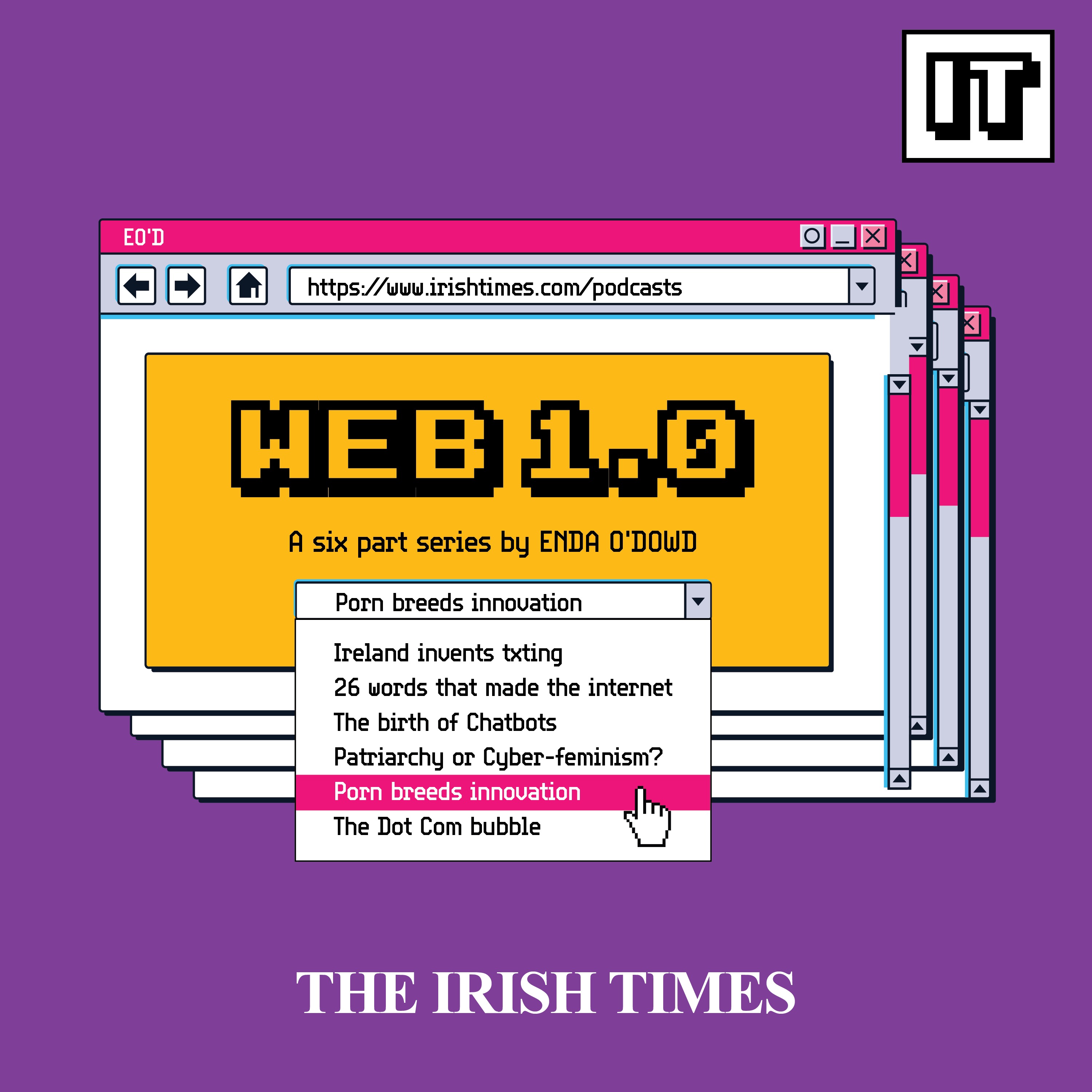
Web 1.0
Irish Times videographer Enda O'Dowd explores the murky origins of today's internet culture in this six-part series featuring interviews with early web innovators. Hosted on Acast. See acast.com/privacy for more information.
Koniecznie odwiedź stronę podcastu i wesprzyj twórcę: shows.acast.com
Gdzie słuchać?
Podcasty w aplikacji Replaio Radio Już wkrótcePodcasty trafią do aplikacji już wkrótce. Zainstaluj teraz i jako pierwszy zobacz nowe podejście do podcastów
 Zainstaluj za darmo
Android prawie 10 mln pobrań · ocena 4,8
iOS niedługo
Zainstaluj za darmo
Android prawie 10 mln pobrań · ocena 4,8
iOS niedługo
Odcinki
The end of the information superhighway? 14.11.2023 33:38
Editing itself is a series of putting a structure, a controlled narrative, onto life - which is itself uncontrollable. In the book “The Uncontrollability of the World” author Harmut Rosa writes about how, in life today, there can be “no space in public and political discourse for the idea — the reality — of uncontrollability in social life.” Today the internet imbues us with an expectation we can...
Porn’s sticky fingers are all over the modern internet 13.11.2023 31:10
A lot of credit is given to pornography for driving technological change. In reality it’s often an urban myth. When rival video formats VHS vs Betamax fought a battle for supremacy, pornographers actually hedged their bets and invested in both. VHS’s eventual dominance was as due as much to their sales team as the adult entertainment business. But online, there were some significa...
Hot or Not versus Cyberfeminism 07.11.2023 31:32
Web 1.0 is a new six part series from The Irish Times that looks at the origins of the modern internet. We talk to everyone from coders to astrologers and pornographers to hear the stories of people who were there and designed the methods of communications that we all use today. This episode looks at how, for a period of time, the new online world posed a real challenge to the patriarchy. And how...
How Irish companies brought us texting and took us online 06.11.2023 32:13
This is the story of how Barry Flanaghan brought the internet into Irish homes. Though it’s an Irish story, there are variations of it in countries across the world. In France there was the Minitel, which was the world's most successful online service prior to the World Wide Web. It was launched in 1982 by Gerard Thery, a telecoms engineer. Minitels were boxy computers where one could look up phon...
Four court cases and a magazine cover story 31.10.2023 31:50
Why is the internet the way it is? In Web 1.0, a new six-part podcast series, Irish Times videographer Enda O’Dowd explores the arguments and innovations that were happening back when the web was new, and how they reverberate in today’s messy and chaotic online world. This is the story of how 26 words in Section 230, a clause within a US law originally designed to clean up the internet, helped to...
Does AI have nightmares of endless September? 31.10.2023 32:34
Why is the internet the way it is? In Web 1.0, a new six-part podcast series, Irish Times videographer Enda O’Dowd explores the arguments and innovations that were happening back when the web was new, and how they reverberate in today’s messy and chaotic online world. This episode looks at the lost potential of the internet to help people better understand one another, beginning with the theories...
Web 1.0 - a six-part podcast series by Enda O'Dowd 22.10.2023 2:11
In a six-part series Irish Times videographer Enda O'Dowd meets people who took part in the creation of the Internet and finds out about the arguments and innovations that shaped the online world we are familiar with today. Hosted on Acast. See acast.com/privacy for more information.
Podobne podcasty







Słuchaj podcastu Web 1.0 w Replaio
Radio i podcasty w jednej aplikacji - za darmo, bez zakładania konta. Zainstaluj już dziś i nie przegap premiery
Replaio nie jest wydawcą podcastów; nazwy audycji, okładki i audio należą do ich autorów i są rozpowszechniane przez publiczne kanały RSS