Roger Jacobs
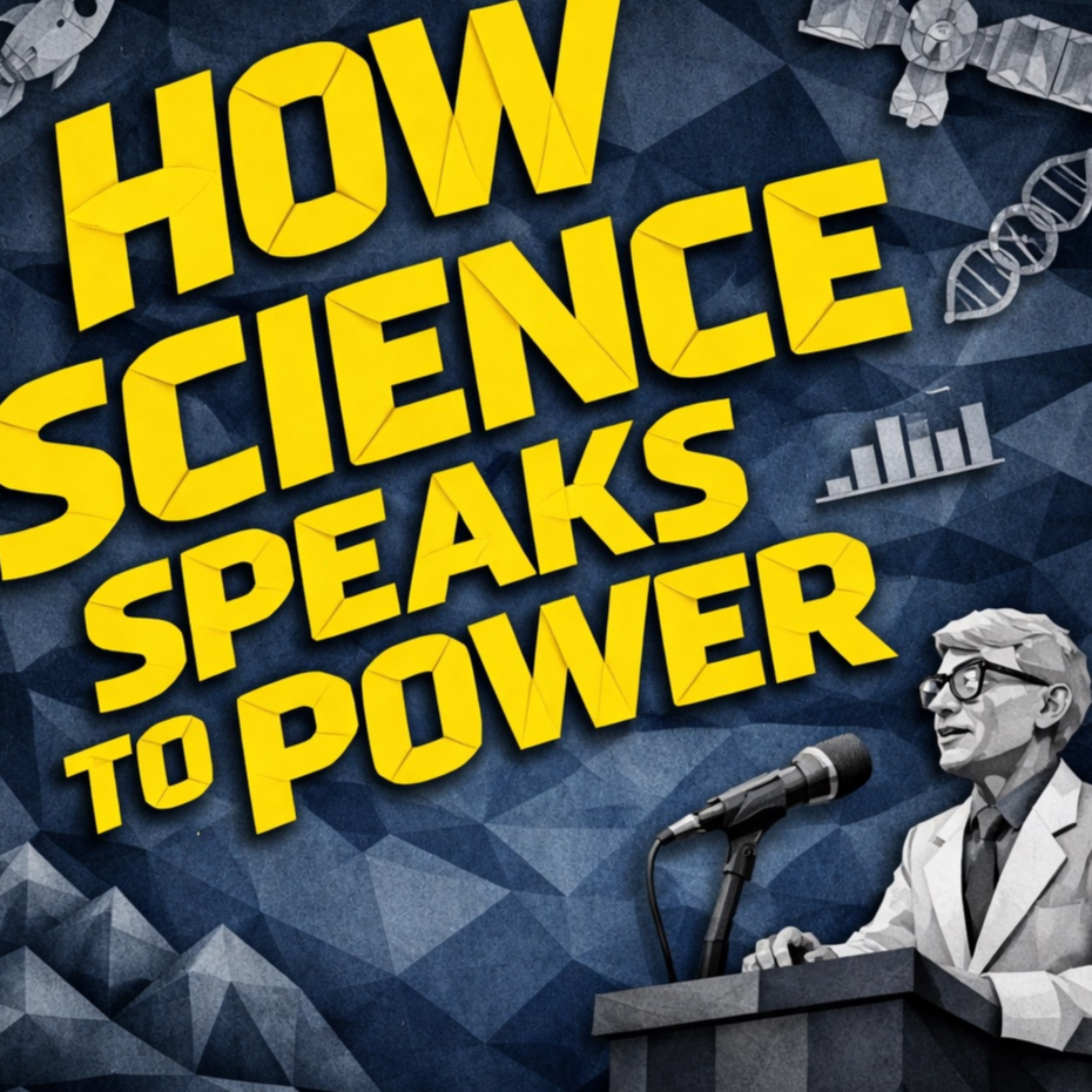
How Science Speaks to Power
Why can good science fail to inform good policy? Let's explore how advocates in policymaking- the public, scientists, lobbyists, industry and governments can act to distort, silence or amplify the impact of relevant science during policy-making. We will take a case study approach to explore, for instance, how social media interfered with the adoption of a radical new surgery, or why Big Pharma is not developing new antibiotics. Hosted by Roger Jacobs and McMaster University undergraduates. More resources at howsciencespeakstopower.net
Koniecznie odwiedź stronę podcastu i wesprzyj twórcę: podcasters.spotify.com
Autor
Roger Jacobs
Kategoria
Strona podcastu
Ostatni odcinek
9 kwi 2026
Gdzie słuchać?
Podcasty w aplikacji Replaio Radio Już wkrótcePodcasty trafią do aplikacji już wkrótce. Zainstaluj teraz i jako pierwszy zobacz nowe podejście do podcastów
 Zainstaluj za darmo
Android 5 mln+ pobrań · ocena 4,8
iOS niedługo
Zainstaluj za darmo
Android 5 mln+ pobrań · ocena 4,8
iOS niedługo
Odcinki
TRAILER- How Science Speaks to Power 09.04.2026 2:11
What we do: We investigate when science is (mis)presented in policy discussion, and how stakeholders shape and target their evidence to influence policy determination. Each episode is a new case study, explored with McMaster University students.
Why can't Big Pharma slay Antibiotic Resistance? 25.03.2026 39:31
Big Pharma makes billions from medicine you may take for life, but their profit from marketing a drug you may need once in your life is too low to justify the effort. Science is coming up with many new antibiotic candidates , and we really need them- because superbugs are resistant to the antibiotics we already have. Our current system of funding new drugs is not working for us. We talk to researc...
Liberation Therapy: How Social Media damaged trust in Medicine 25.03.2026 44:42
Multiple Sclerosis (MS) is a debilitating and potentially terminal neurodegenerative disease where the immune system attacks the brain. Neurologists dominate the research and development of therapy. Imagine how upset they were when a vascular surgeon claimed to cure MS by opening collapsing veins from the brain? MS patients were clamouring for a treatment neurologists did not trust. Social media w...
Red Dye 3: Why was it really banned? 25.03.2026 49:45
In 2025 the US Food and Drug Administration banned Red Dye 3, as it has been linked to cancer in rats, but only if simultaneously treated with another drug, and at incredibly high dose. Some countries ban the dye because natural alternatives exist. Others merely limit the dose. We talk to experts and lobbyists central to this policy debate, and discover cancer may have been used as a proxy to adva...
Podobne podcasty







Słuchaj podcastu How Science Speaks to Power w Replaio
Radio i podcasty w jednej aplikacji - za darmo, bez zakładania konta. Zainstaluj już dziś i nie przegap premiery
Replaio nie jest wydawcą podcastów; nazwy audycji, okładki i audio należą do ich autorów i są rozpowszechniane przez publiczne kanały RSS