Karla Lassonde and Emily Stark
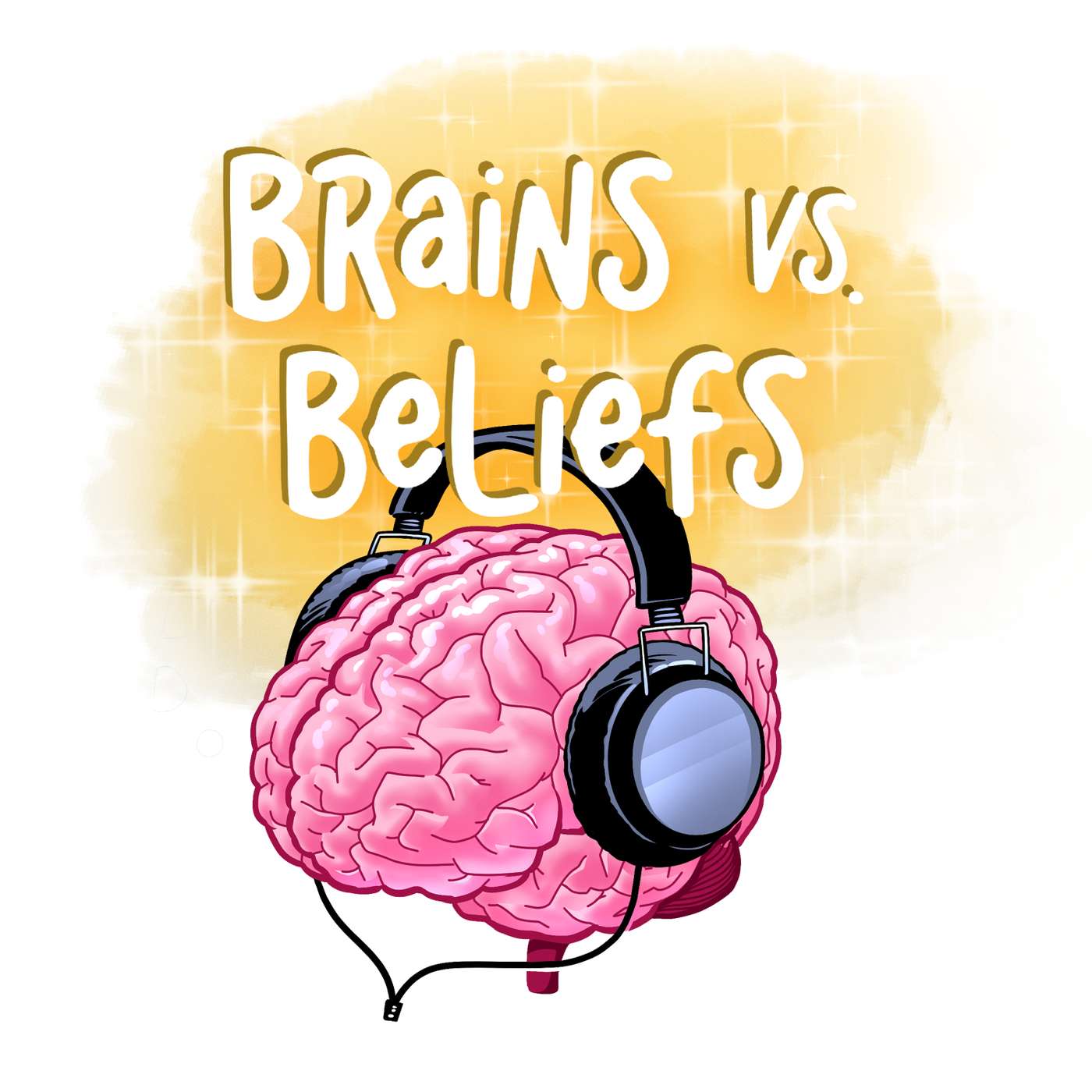
Brains vs. Beliefs: Debunking Psychological Misconceptions
This podcast covers the fascinating world of psychological science through discussing the research behind popular myths related to psychology, such as the idea that we only use 10% of our brain. Hosted by Dr. Karla Lassonde and Dr. Emily Stark, psychology professors, we discuss misconceptions about psychology and how they have been researched by psychological scientists.
Gdzie słuchać?
Podcasty w aplikacji Replaio Radio Już wkrótcePodcasty trafią do aplikacji już wkrótce. Zainstaluj teraz i jako pierwszy zobacz nowe podejście do podcastów
 Zainstaluj za darmo
Android 5 mln+ pobrań · ocena 4,8
iOS niedługo
Zainstaluj za darmo
Android 5 mln+ pobrań · ocena 4,8
iOS niedługo
Odcinki
Episode 6: Venting Anger 23.04.2026 27:21
Date: April 23, 2026 Brains vs. Beliefs: Debunking Psychological Misconceptions Episode 6: Venting Anger In this episode of Brains vs. Beliefs , Emily and Karla discuss the misconception that actively venting anger- such as through screaming, hitting a punching bag, or going to a rage room, helps to reduce anger. They describe research that shows that this type of venting can actually increase our...
Episode 5: 10% Brain 19.03.2026 24:26
Date: March 19, 2026 Brains vs. Beliefs: Debunking Psychological Misconceptions Episode 5: 10% Brain In this episode, psychologists Karla Lassonde and Emily Stark discuss the misconception that we only use 10% of our brains. We describe the origins of this mistaken belief, how this is promoted in the media, and share how research has tested this assumption and shown it to be false. We explain how...
Episode 4: The Mozart Effect 19.02.2026 27:42
Date: February 19, 2026 Brains vs. Beliefs: Debunking Psychological Misconceptions Episode 4: The Mozart Effect In this episode, psychologists Karla Lassonde and Emily Stark discuss the misconception that listening to classical music can positively influence intelligence. The wide-spread idea that classical music makes you smarter is the result of a study that had very interesting results – studen...
Episode 3: Opposites Attract 22.01.2026 20:09
Date: Jan 22, 2026 Brains vs. Beliefs: Debunking Psychological Misconceptions Episode 3: Opposites Attract In this episode of Brains vs. Beliefs , Emily and Karla dive into the long-standing idea that successful relationships thrive on difference. From Hallmark movies to Paula Abdul’s famous song, the relationship advice “opposites attract” seems everywhere. What does the science actually say? Dra...
Episode 2: Full Moon 19.12.2025 18:19
Date: December 19, 2025 Brains vs. Beliefs: Debunking Psychological Misconceptions Episode 2: Full Moon In this episode, psychologists Emily Stark and Karla Lassonde discuss the misconception that the full moon influences our behavior. We describe some cultural and folklore connections to the full moon, and how widespread the belief is that people act wilder during a full moon. We share how resear...
Episode 1: Learning Styles 20.11.2025 20:13
Date: November 21, 2025 Brains vs. Beliefs: Debunking Psychological Misconceptions Episode 1: Learning Styles In this episode, psychologists Karla Lassonde and Emily Stark discuss the misconception that we learn best when teaching styles are paired with learning styles. We describe the origins of this mistaken belief, how this is promoted in the media, and share how research has tested this assump...
Teaser Trailer: Brains vs. Beliefs 29.04.2025 1:02
This is a trailer announcing the launch of a new podcast from psychology professors Dr. Emily Stark and Dr. Karla Lassonde. The podcast, called Brains vs. Beliefs: Debunking Psychological Misconceptions, highlights research into myths about human brains and behavior.
Podobne podcasty







Słuchaj podcastu Brains vs. Beliefs: Debunking Psychological Misconceptions w Replaio
Radio i podcasty w jednej aplikacji - za darmo, bez zakładania konta. Zainstaluj już dziś i nie przegap premiery
Replaio nie jest wydawcą podcastów; nazwy audycji, okładki i audio należą do ich autorów i są rozpowszechniane przez publiczne kanały RSS