
Faisal Rafiq MD.
The Supervised Mind
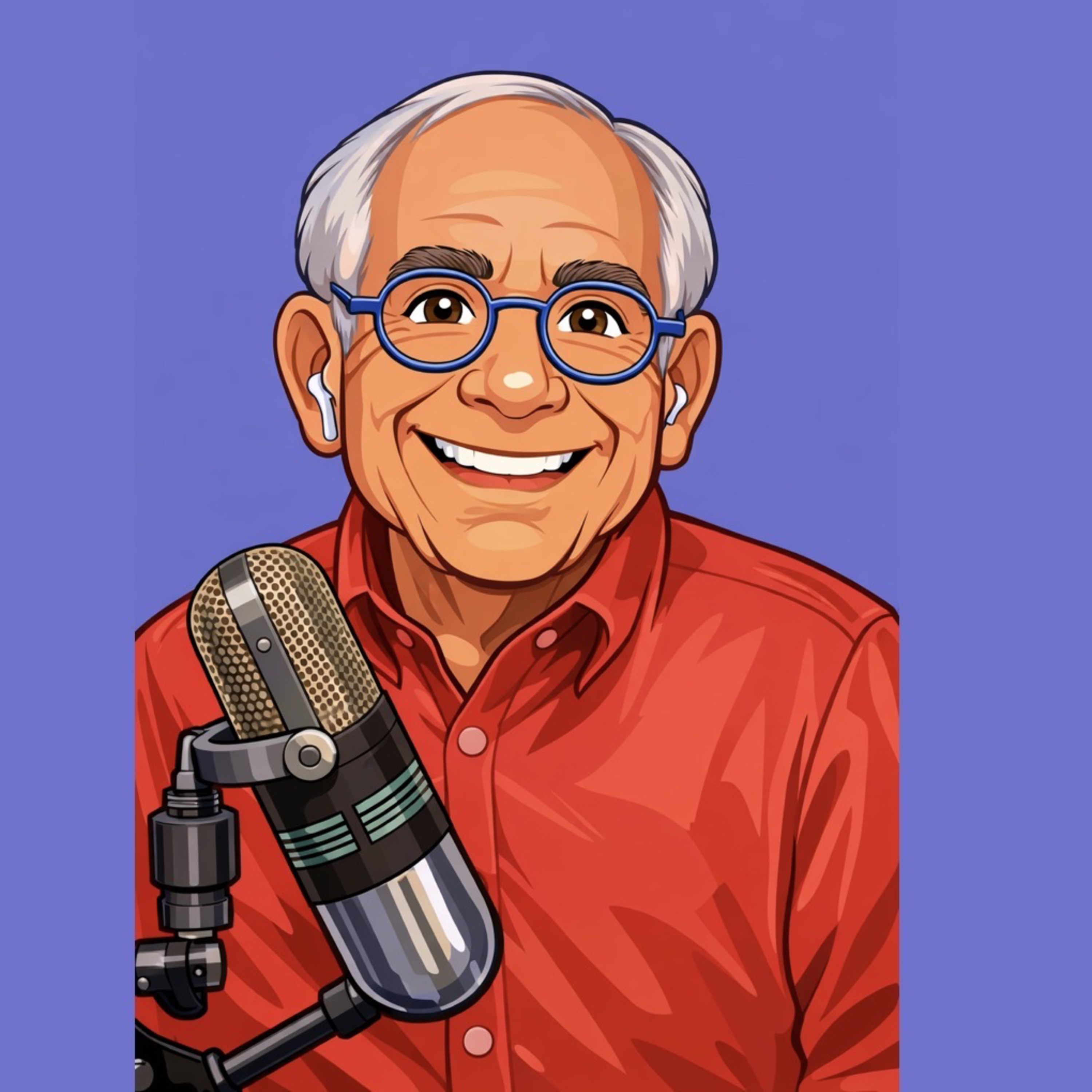
The Supervised Mind—a podcast where we explore the complexities of psychiatric practice through the lens of training, supervision, and clinical wisdom.
Autor
Faisal Rafiq MD.
Categoría
Web del podcast
Último episodio
12 de dic. de 2025
¿Dónde escuchar?
Podcasts en la app Replaio Radio Muy prontoLos podcasts llegarán muy pronto a la app. Instálala ahora y sé el primero en descubrir una forma totalmente nueva de vivir los podcasts
 Instálala gratis
Android 5 M+ de descargas · valoración de 4,8
iOS muy pronto
Instálala gratis
Android 5 M+ de descargas · valoración de 4,8
iOS muy pronto
Episodios
The Cutting Board 12.12.2025 7:59
The Supervised Mind Episode Title: The Cutting Board Subtitle: Understanding Self-Injury in Psychiatric Practice Host: Dr. Faisal Rafiq Audience: Clinicians – Psychiatrists, NPs, PAs, Therapists Welcome back to The Supervised Mind Today’s episode is called The Cutting Board. We’re going to talk about self-injury—specifically non-suicidal self-injury, or NSSI. This is a topic that makes many clinic...
The K-Hole Theory: Spravato, Ketamine, and the Psychiatric Reset 03.06.2025 12:15
In this deep-dive episode, Dr. Faisal Rafiq explores the clinical science, supervision nuances, and lived experience surrounding Spravato® (esketamine) and IV ketamine as tools for treatment-resistant depression (TRD), suicidality, and trauma-linked shutdown. Through the story of Emily, a 32-year-old nurse whose depression was unresponsive to conventional treatments, we see how structured ketamine...
The Piercing Thought "OCD" 11.05.2025 13:18
Theme: A story-driven exploration of OCD — from the first intrusive thought to the relentless rituals that follow, and ultimately, the path toward understanding and healing. Episode Summary: In The Piercing Thought, Dr. Faisal Rafiq unravels the hidden world of obsessive-compulsive disorder through the lens of a fictional patient, “Eli.” Listeners will follow Eli’s descent into cycles of fear and...
Complex PTSD: When Nothing Makes Sense (and the Kitchen Sink) 29.04.2025 15:25
In this episode, Dr. Faisal Rafiq explores the complexity of Complex PTSD (cPTSD)—a condition shaped by chronic, repeated trauma that often masquerades as mood, personality, or anxiety disorders. Through a trauma-informed lens, this episode walks clinicians through recognizing cPTSD’s emotional and somatic layers, differentiating it from BPD or TRD, and understanding why traditional diagnostic fra...
Lithium Power 23.04.2025 17:47
In this episode, Dr. Faisal Rafiq describes the unmatched effectiveness of lithium as a mood stabilizer, highlighting its role in treating bipolar disorder and its unique status as one of the few naturally occurring psychiatric medications. He discusses key side effects—including the classic “peeing like a racehorse”—as well as important monitoring protocols, and the differences between extended-r...
De-Prescribing "When Less is More" 10.04.2025 9:35
In this episode of The Supervised Mind, Dr. Faisal Rafiq discusses the often-overlooked topic of deprescribing in clinical practice. He shares a compelling case study of a young patient to illustrate the complexities of medication management and the importance of understanding when to reduce or stop medications. The conversation emphasizes the need for clinicians to approach deprescribing with car...
Fighting the Wave of Bipolar 10.04.2025 15:26
In this podcast episode, Dr. Faisal Rafiq shares a case of a patient with bipolar disorder who had difficulty responding to traditional mood stabilizing medications. He also discusses the classical model of treating bipolar disorder and when it may break down. He suggests adapting the framework, removing mood stabilizers in some cases and using antipsychotics as a primary anchor. Dr. Rafiq also pr...
Podcasts similares




Escucha el podcast The Supervised Mind en Replaio
Radio y podcasts en una sola app - gratis y sin registro. Instálala hoy y no te pierdas el estreno
Replaio no es editor de podcasts; los nombres de los programas, las portadas y el audio pertenecen a sus autores y se distribuyen a través de canales RSS públicos
