Ethos & Logina
Compost the Empire
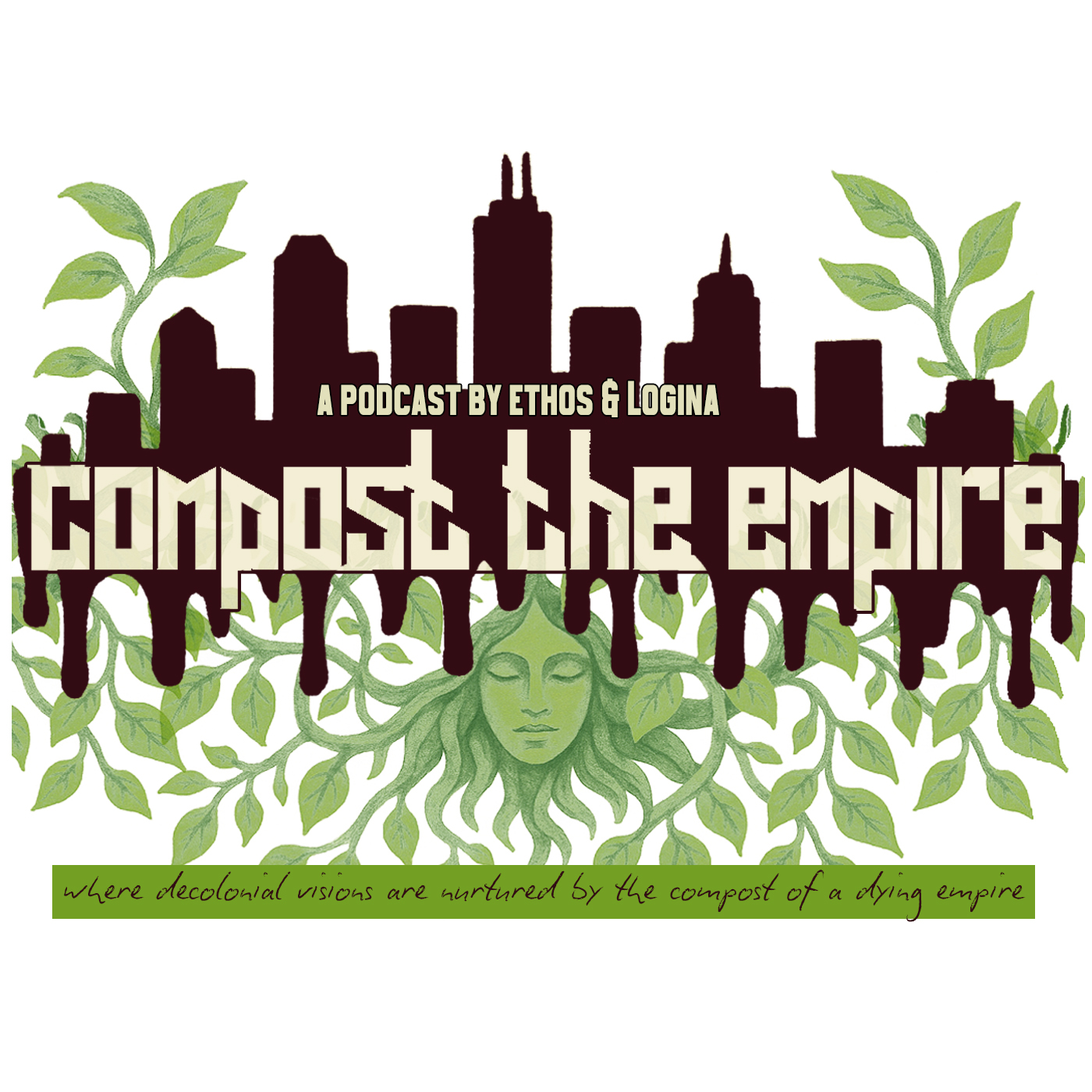
Compost the Empire is a space where decolonial visions and stories are nurtured from the compost of a dying empire. It is a home for practices, reflections, and ways of imagining that move beyond the constraints of modernity, not by bypassing what has been done to us, but by naming it fully. Here, we acknowledge the trauma, grief, abuse, and violence forced upon us without consent, and alchemize ancestral rage and sorrow into living soil, grafting what has worked in the past with creative explorations of futures we have yet to imagine. This is a space to grieve a collapsing world so that we ma...
¿Dónde escuchar?
Podcasts en la app Replaio Radio Muy prontoLos podcasts llegarán muy pronto a la app. Instálala ahora y sé el primero en descubrir una forma totalmente nueva de vivir los podcasts
 Instálala gratis
Android casi 10 M de descargas · valoración de 4,8
iOS muy pronto
Instálala gratis
Android casi 10 M de descargas · valoración de 4,8
iOS muy pronto
Episodios
The Silenced Harm of Colonial Psychedelia | Ifetayo Harvey 10.04.2026 52:46
The episode features a conversation with Ifetayo Harvey, founder of the People of Color Psychedelic Collective, discussing the impact of white supremacy in mainstream psychedelia and the creation of a platform for candid discussions on race and psychedelics. The conversation delves into the complexities of working in the psychedelic field, addressing issues of trust, discernment, and the impact on...
The Condition of Peyote & the Harm of the ICPI 10.04.2026 46:33
Johnny Johnson — Peyote, Classical Education, and the Spiritual Crisis of Colonial Psychedelia In this deeply moving episode, we sit down with Johnny Johnson, a member of the Diné (Navajo) Nation and a Native American Church road man — or as he reframes it, a life coach — who has been walking this path since 1990. Johnny shares the sacred significance of peyote within his culture, his rude awakeni...
Decolonizing the Self | Evita Sawyers 23.01.2026 1:12:37
In this episode of Compost the Empire , Ethos and Logina are joined by Black queer ethical non-monogamy coach, speaker, and author Evita “LaVita Loca” Sawyers to explore what it actually means to decolonize identity, attachment, and love in real life, not just in theory. We move from big language about “decolonization” down into the body: nervous systems shaped by empire, internal surveillance, an...
Why Neurocolonization: A Survivor’s Path to Somatic Liberation 20.01.2026 18:53
Why Neurocolonization: A Survivor’s Path to Somatic Liberation In this solo reflection, Ethos speaks candidly about why the Neurocolonization work exists—and why sharing it publicly has been both a resistance and a responsibility. Rooted in ancestral memory, somatic abolition, and lived experience, this episode traces the journey from activism to liberation, from community betrayal to earth-based...
Ethos's Story: The Alchemy of Rupture 08.01.2026 36:35
In this opening episode, Ethos shares their personal story as a trans-masculine, non-binary person raised in Mormonism, shaped by colonial cosmologies of separability, and transformed through education, somatic practice, relational inquiry, and lived experience inside the collapse of empire. Tracing a journey from early gendered misrecognition, chronic depression, and survival through structure, t...
Breaking the Spell of empire: How Neurocolonization on Bodies, Bonds & Beliefs 26.12.2025 57:40
The podcast episode explores the impact of neurocolonization on bodies, bonds, and beliefs, and the creation of an ecosystem for decolonial visions and imaginations. It delves into the acknowledgment of settler colonial projects, the reclaiming of perception of reality and possibilities, and the expansion of access to transformative experiences. The episode also discusses the power of storytelling...
Podcasts similares







Escucha el podcast Compost the Empire en Replaio
Radio y podcasts en una sola app - gratis y sin registro. Instálala hoy y no te pierdas el estreno
Replaio no es editor de podcasts; los nombres de los programas, las portadas y el audio pertenecen a sus autores y se distribuyen a través de canales RSS públicos