
Brian Granneman, LMHC, CAP, CCTP
Doing The Work from Naples Integrated Recovery
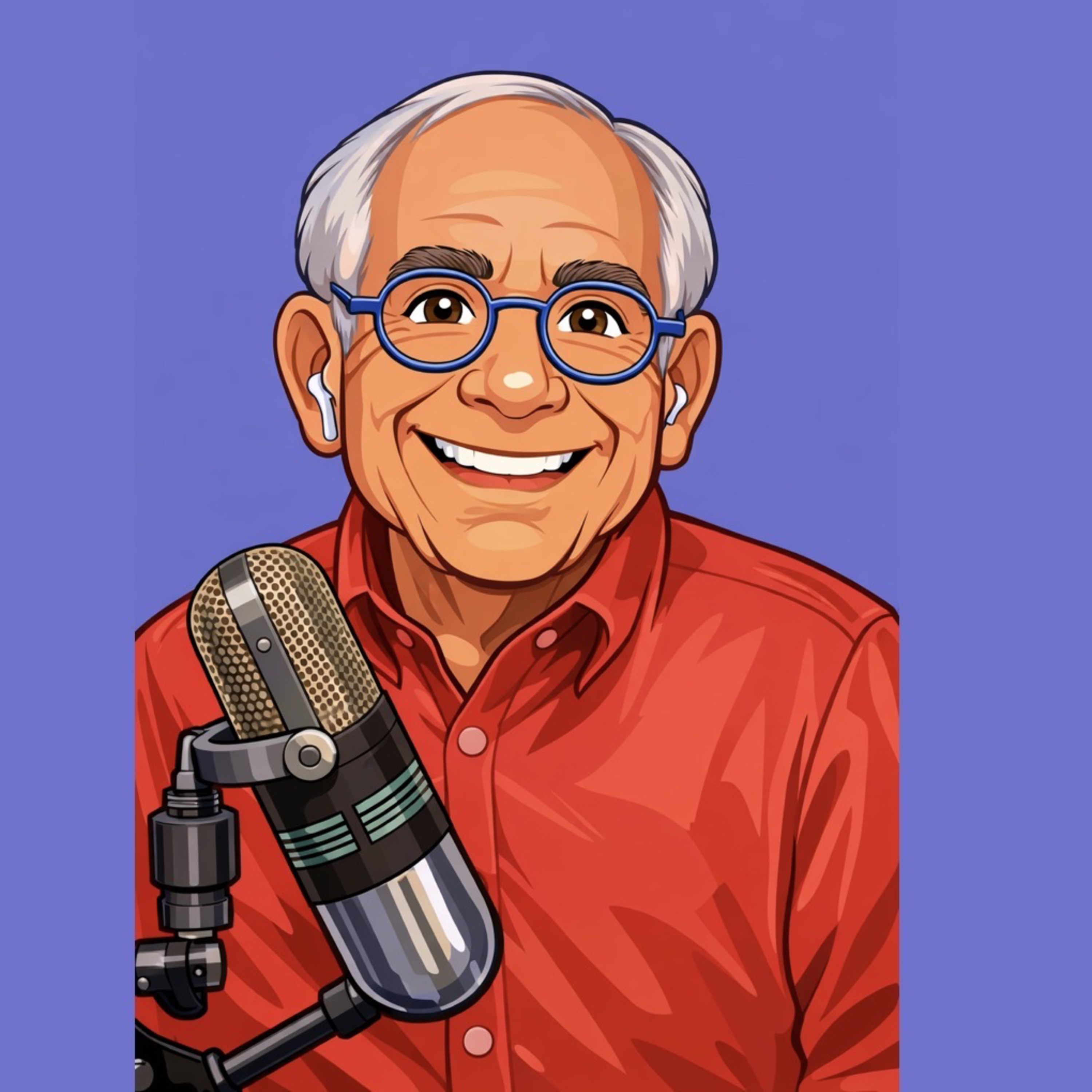
Doing The Work: A Naples Integrated Recovery Podcast focuses on the patterns that keep people stuck — the ones that show up in conversations, relationships, habits, and everyday decisions. This isn’t theory and it isn’t motivation. Each episode breaks down what’s actually happening underneath the surface: avoidance, control, people-pleasing, resentment, emotional shutdown, and the ways people stay busy instead of changing anything. Hosted by Brian Granneman, LMHC, CAP, CCTP, the show pulls from real clinical experience to track how these patterns form, how they get reinforced, and what it look...
Be sure to visit the podcast's website and support the creator: podcast.naplesintegratedrecovery.com
Author
Brian Granneman, LMHC, CAP, CCTP
Category
Podcast website
Latest episode
Jul 10, 2026
Where to listen?
Podcasts in the app Replaio Radio Coming soonPodcasts are coming to the app soon. Install now and be the first to see a whole new take on podcasts
 Install for free
Android almost 10M downloads · 4.8 rating
iOS soon
Install for free
Android almost 10M downloads · 4.8 rating
iOS soon
Episodes
Guest Terry P: Recovery Isn’t Boring — You’re Just in the Wrong Room 16.04.2026 58:47
In this episode, Brian sits down with Terry P, a connection from early sobriety during the pandemic when both were trying to find something that actually worked. What started as a small Zoom meeting with four guys grew into a global recovery community with over 10,000 people passing through—driven by Terry’s approach of making recovery something people want to be part of instead of something they...
Stop Saving Them: Why Families Stay Stuck 12.04.2026 30:08
Addiction doesn’t stay contained in one person. It reorganizes entire families around survival, silence, control, and roles that outlive their usefulness. This episode breaks down why sobriety often destabilizes relationships, how rescuing and financial over-helping keep systems stuck, and why recovery requires differentiation, boundaries, and tolerating discomfort without control. If things feel...
How Much is Enough? The Hidden Cost of 'Success' 09.04.2026 29:44
Catching patterns in real time sounds simple until you’re inside one that’s producing results. This episode breaks down how high performance, productivity, and “everything working” can hide a structure that drains you and keeps you from being present in your own life. Using a real clinical schedule and workload as the backdrop, it tracks how burnout, reduced presence, and constant output turn into...
You Don’t Get It Back—You Build Again 05.04.2026 30:48
Losing everything forces a hard reset. This episode breaks down what happens psychologically when structure disappears and why the instinct to “get back to normal” keeps people stuck. You’ll hear how real change works in practice—no going back, only rebuilding—and why disrupted routines, lost momentum, and unexpected setbacks all run on the same mechanism. We also get into the difference between r...
Still Not Enough After You Get It 02.04.2026 25:38
This episode breaks down a repeatable pattern that shows up in work, recovery, relationships, and therapy: chasing the next thing, avoiding what feels difficult, and missing the structure that keeps recreating the same loop. I walk through how this shows up in my own life and in the people I work with every week, especially when insight is present but behavior stays the same. The focus here is on...
Why You Can’t Stop People-Pleasing (Even When You Know Better) 01.04.2026 32:15
People-pleasing is rarely just about being nice. It’s often rooted in fear of conflict, fear of rejection, and early experiences where approval felt tied to safety. This episode breaks down why insight alone doesn’t stop people-pleasing, why resentment builds after saying yes too quickly, and how trauma shapes the urge to over-function in relationships. You’ll hear how people-pleasing operates in...
Oxytocin, Attachment, and Why Chemistry Isn’t the Same as Safety 29.03.2026 23:31
Why you can’t let go—even when you know better. This episode breaks down why unstable relationships feel so intense, how attachment and stress work together, and why feeling strongly connected doesn’t mean a relationship is actually stable or safe. You’ll hear what this looks like in real relationships, why insight alone doesn’t change the pattern, and how to recognize the difference between activ...
Experience Strength and Hope: Lindsey at One Year Clean and Sober 26.03.2026 27:41
This episode features a recorded NA speaker meeting from Lindsey, offering a direct account of addiction, consequences, and the shift into recovery. She walks through the patterns that kept her stuck, what led to change, and how sobriety actually plays out day to day. The focus stays on lived experience—how thinking shifts, how responsibility shows up, and what it takes to keep going. The meeting...
First Guest: A Year Sober and Still Figuring It Out (Now the Real Work Begins??) 26.03.2026 1:16:21
This episode opens up what one year sober actually looks like in real life—no cleanup, no inspirational arc, no pretending things are resolved. It’s a conversation with someone still in it. Brian sits down with his sister to walk through the internal side of recovery after marijuana-related mental health disruption, including rebuilding trust in your own mind, managing relapse thoughts, and adjust...
Why You React Before You Think: Polyvagal Theory and the Nervous System Under Stress 22.03.2026 35:13
This episode breaks down why your body is making decisions before your mind ever gets involved — and why insight alone doesn’t stop reactive patterns in relationships, conflict, or stress. Using Polyvagal Theory as a practical framework, it explains how nervous system states drive behavior under pressure, why people escalate, shut down, or dissociate without meaning to, and how meaning-making ofte...
Epictetus on Letting Go of Anger: Forgiveness Without Lowering Your Standards 19.03.2026 21:16
This episode explores Epictetus’ sharp, unsentimental approach to forgiveness and releasing resentment without becoming passive, naïve, or self-betraying. Drawing from Discourses and fragments, it breaks down how Stoicism reframes wrongdoing as moral confusion rather than personal offense, and why holding onto anger costs you more than the person who caused the harm. The focus isn’t excusing behav...
The Roles People Get Stuck In After Trauma 15.03.2026 38:23
This episode examines complex trauma beyond the usual focus on catastrophic events, tracing how chronic emotional misattunement, unmet developmental needs, and early relational adaptations shape the nervous system and adult identity. It connects addiction, overfunctioning, people-pleasing, burnout, and persistent dissatisfaction to survival strategies that once protected connection and safety. Tra...
No Cows, No Problems: Adaptation After Loss 12.03.2026 17:23
This episode uses an old Buddhist parable to examine how identity, attachment, and humiliation create suffering long after loss occurs. Through the lens of career collapse, public shame, and forced reinvention, it explores why losing roles and status hurts more than losing security itself. The discussion reframes non-attachment as adaptation under pressure—not detachment or denial, but learning to...
Why Most Therapy Fails to Touch the Real Problem 08.03.2026 37:20
Most therapy focuses on symptoms—anxiety, addiction, relationship distress—without addressing the deeper pressures driving them. This episode breaks down why insight and coping skills often fail when therapy avoids the core realities of being human: mortality, responsibility, isolation, and meaning. It explains how symptoms aren’t signs of brokenness, but strategies for avoiding exposure to these...
Why Groups Change You in Ways 1-on-1 Therapy Can’t 05.03.2026 33:26
Group therapy creates change through mechanisms that individual therapy alone rarely activates. Drawing on Irvin Yalom’s eleven therapeutic factors, this episode explains why peer groups and recovery communities like Alcoholics Anonymous often accelerate growth by reducing shame, exposing relational patterns, and providing real-time interpersonal feedback. The discussion explores how hope, univers...
Pleasure Isn’t the Point of Addiction: Why the Brain Keeps Reaching Anyway 01.03.2026 20:45
Addiction is often misunderstood as a pursuit of pleasure, but that explanation collapses under real scrutiny. In this episode, we unpack why people continue using long after pleasure disappears, even as consequences mount and relief becomes fleeting or nonexistent. The focus is on the brain’s SEEKING system — the circuitry responsible for motivation, momentum, and the sense that something in the...
How Self-Limiting Beliefs Lock In Your Life 26.02.2026 20:12
Self-limiting beliefs rarely sound negative. They sound reasonable, mature, and responsible. In this episode, Brian breaks down how phrases like “I’m just being realistic” quietly cap identity, narrow behavior, and manufacture evidence that keeps people stuck. Drawing from lived experience, neuroscience, and Buddhist psychology, the conversation explores how the brain prioritizes consistency over...
Toxic Revenge: Why We Hurt the People We Love When We’re Overwhelmed 22.02.2026 22:04
Most revenge in relationships isn’t driven by cruelty — it’s driven by pain relief. This episode breaks down the subtle, everyday ways people try to hurt back when they’re overwhelmed: withdrawal, silence, sarcasm, scorekeeping, delayed responses, and emotional coldness. We explore why these behaviors feel automatic, how the nervous system interprets emotional injury as threat, and why revenge is...
Nighttime Rumination: Why Your Brain Won’t Shut Off at Night 19.02.2026 26:04
If your brain goes into overdrive the moment the lights go out, this episode reframes what’s actually happening. Nighttime rumination isn’t a mental health failure or lack of discipline — it’s a nervous system that never learned when it’s safe to stand down. We break down why thoughts explode at bedtime, why suppression and “calming techniques” often make things worse, and how vigilance gets misdi...
Why Chemistry Makes Bad Relationship Decisions Feel Right 15.02.2026 23:49
Many people mistake chemistry for connection, even when it repeatedly leads them toward emotionally unavailable or destabilizing partners. This explores how attraction often organizes around nervous system activation, deprivation, and familiarity rather than safety, presence, or mutual capacity. It breaks down why intensity feels meaningful, how authenticity alone can still pull people into misali...
Why We’re So Harsh on Ourselves — And What Self-Compassion Actually Is 12.02.2026 17:38
Many people are far harsher on themselves than they would ever be toward someone they care about. This explores why internal self-attack feels justified, how judgment shuts down compassion, and why being hard on yourself is often a threat-management strategy rather than discipline. It reframes compassion as a nervous-system function, not a moral add-on or a sentimental practice. The focus is on wh...
When "Healthy" Relationships Go Quiet: Sex, Silence, and Erosion of Intimacy 08.02.2026 37:23
Many long-term relationships don’t unravel because of excess desire, but because desire becomes unsafe to talk about. When sex goes quiet, silence often replaces curiosity, and anxiety starts governing intimacy. Unspoken rules around monogamy, loyalty, and “healthy” behavior can turn sexuality into something managed rather than shared, creating distance long before any overt betrayal occurs. Explo...
The Cost of Being Emotionally Available to Everything 05.02.2026 36:00
Many people aren’t anxious because of personal trauma or immediate danger. They’re anxious because their nervous systems are saturated with constant threat messaging and moral urgency. Continuous exposure to distant suffering without a clear role for action keeps the stress response activated, degrading judgment, patience, and presence over time. This conversation examines how empathy shifts fro...
How to Stop Taking the Bait With Condescending People 01.02.2026 34:00
Condescension isn’t powerful because it’s intelligent — it’s powerful because it destabilizes people who momentarily doubt themselves. This episode breaks down why patronizing behavior gets under your skin, how the reflex to prove yourself to unsafe people hands power away, and why confidence is the wrong target. Drawing from psychology, nervous-system regulation, and real-world relational dynamic...
Happiness Isn’t the Goal — Joy Comes From How You Live 29.01.2026 26:41
Happiness gets treated like the finish line — something you’re supposed to reach and then hold onto. But happiness is an emotional state, not a stable condition. It rises and falls with sleep, stress, health, relationships, and circumstance. When people aim their lives at feeling happy, they often end up frustrated or self-blaming when those feelings inevitably shift. The problem isn’t effort or m...
Similar podcasts







Listen to the Doing The Work from Naples Integrated Recovery podcast in Replaio
Radio and podcasts in one app - free, with no sign-up. Install today and do not miss the launch
Replaio is not a podcast publisher; show names, artwork and audio belong to their authors and are distributed through public RSS feeds.
