Gareth Lock at The Human Diver
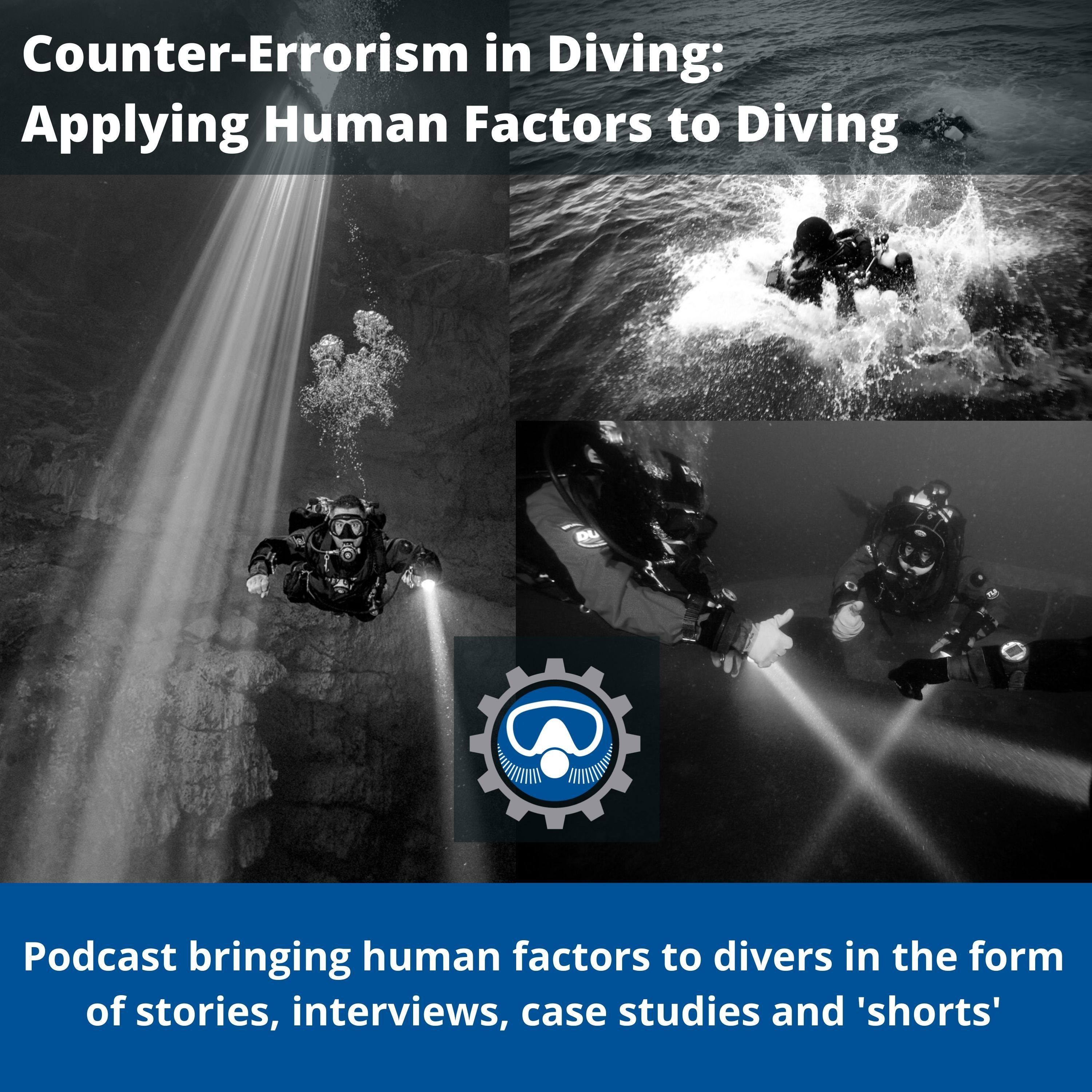
Counter-Errorism in Diving: Applying Human Factors to Diving
Human factors is a critical topic within the world of SCUBA diving, scientific diving, military diving, and commercial diving. This podcast is a mixture of interviews and 'shorts' which are audio versions of the weekly blog from The Human Diver. Each month we will look to have at least one interview and one case study discussion where we look at an event in detail and how human factors and non-technical skills contributed (or prevented) it from happening in the manner it did.
Author
Gareth Lock at The Human Diver
Category
Podcast website
Latest episode
Jul 11, 2026
Where to listen?
Podcasts in the app Replaio Radio Coming soonPodcasts are coming to the app soon. Install now and be the first to see a whole new take on podcasts
 Install for free
Android 5M+ downloads · 4.8 rating
iOS soon
Install for free
Android 5M+ downloads · 4.8 rating
iOS soon
Episodes
SH270: Safe diving starts from the system. Not from the human. 15.04.2026 16:21
This episode explores how accidents in diving and other high-risk jobs are often blamed on individuals, even when the real causes are deeper problems in the system, such as pressure, poor communication, lack of support, broken procedures, and unsafe cultures. Using real examples from rescue diving, healthcare, aviation, and emergency services, it shows how “blame cultures” create fear, silence, an...
SH269: What Is the Purpose of an Investigation in Diving? 11.04.2026 11:04
This episode looks at how diving accidents are often explained in simple ways that blame individuals, instead of exploring the deeper systems and pressures that shape what really happens. It explains that investigations are not just about facts, but about meaning, comfort, and fear after someone has died, which often leads to stories that focus on “human error” instead of learning. Using real exam...
SH268: The Hidden Cost of "Never Show Weakness": Why Hiding Instructor Errors Undermines Dive Safety 08.04.2026 9:44
This blog explains why hiding mistakes in diving training and leadership is dangerous, and why honesty builds safer, stronger teams. Using real examples from military service and diving, it shows that when leaders admit errors, teams learn faster, trust each other more, and make better decisions. When mistakes are hidden, people stop asking questions, small problems become normal, and serious risk...
SH267: “Diver's depression” It's time to tackle stigma and taboos 04.04.2026 9:46
This episode explores the link between diving, mental health, and trust, showing that anxiety, depression, and therapy are common parts of normal life and are also present in the diving community. Many divers hide mental health challenges or medication use because they fear judgment, exclusion, or losing opportunities, which actually makes diving less safe. The key message is that safety underwate...
SH266: A Review of 2025. Looking Forward to 2026. 01.04.2026 12:18
This episode looks back on a big year for Human Factors in Diving and shares what The Human Diver community has achieved, along with what’s coming next. It highlights how real change in diving doesn’t come from new gear or technology, but from learning, reflection, and improving how people think, communicate, and make decisions. The episode celebrates global training programmes, online courses, po...
SH265: Analysis from a Human Factors Perspective - Cave Double Fatality: Calimba 2004 28.03.2026 13:48
This episode looks at a real cave diving tragedy and uses it to explain how accidents often happen because of human thinking, not just broken rules or bad equipment. Instead of focusing on blame, it shows how choices made underwater can seem logical at the time, even when they lead to disaster. The episode explores key ideas like awareness, decision-making, teamwork, leadership, and psychological...
SH264: Teamwork in Diving: The Power of Clear Roles & Task Division 25.03.2026 11:38
This episode explains that real teamwork in diving is much more than just staying close to your buddy. Using a real incident where a diver tried to handle a serious problem alone, it shows how this can create new risks for the whole team. The key idea is that strong teams are built through clear roles, planning, and communication, not luck. When everyone knows who is responsible for things like na...
SH263: The desperate need for blame 21.03.2026 13:42
This episode tells the story of a calm, well-planned dive that still ended with an unexpected case of decompression sickness, and uses it to explore how people react when things go wrong. Even when the dive was conservative, the team experienced, and everything seemed to be done “right,” a diver still became unwell — showing that not all risks can be controlled or explained. The episode looks at o...
SH262: So what can we do? The Practical Steps/Tools for Bringing HF/NTS into Diving 18.03.2026 14:49
This episode explains how Non-Technical Skills (NTS) and Human Factors in Diving (HFiD) only work when they become part of everyday diving culture, not just a course or a checklist. Real safety comes from how divers think, communicate, make decisions, and work as teams, not just from technical skills or equipment. It highlights the importance of shared language, reducing hierarchy, encouraging peo...
SH261: “Would you speak up to the Commander?” - “No. They already know” - Making changes to your team's diving 14.03.2026 13:08
This episode explores why real learning in diving is harder than buying new gear or following checklists. It explains how divers, like firefighters and oil and gas workers, often struggle to change habits, question tradition, and speak up in teams, even when something feels wrong. The problem isn’t a lack of training or information, but culture — things like hierarchy, fear of blame, and not feeli...
SH260: Top Tips for Technical/Cave Divers: Decision Making. To manage risk, we have to be exposed to uncertainty and harm 11.03.2026 14:04
This episode looks at the limits of planning and equipment in technical and cave diving, and explains why true safety comes from adaptability, not control. Using a powerful real-life cave diving story, it shows how even the best plans can fail, and how survival often depends on calm thinking, core skills, and the ability to solve problems when things go wrong. The key idea is that risk can’t be re...
SH259: Top Tips for Technical/Cave Divers: Situation Awareness. Risk Perception is a critical skill - Experience Doesn’t Equal Judgement 07.03.2026 11:27
This episode challenges the idea that more experience automatically means safer diving. Using research from aviation and real diving examples, it shows that what really matters is not how many dives you’ve done, but how you see and understand risk. Two people can face the same situation and make very different choices, not because of skill, but because of how dangerous it feels to them. The key me...
SH258: Top Tips for Technical/Cave Divers: Psychological Safety and Just Culture 04.03.2026 7:53
This episode explores how everyday conversations between divers, even simple small talk, play a powerful role in building trust and safety. It introduces the idea of the “Communication Triangle,” showing how teams move from polite, surface-level talk to deeper, more honest communication that allows people to speak up, share concerns, and admit mistakes. Using real diving examples, it shows how acc...
SH257: Top Tips for Technical/Cave Divers: Performance Influencing Factors - Even the best of us are only human 28.02.2026 10:11
Technical diving often looks like it’s all about planning, rules, and equipment, but the biggest risk factor is still the human. This episode explores how “Performance Influencing Factors” (PIFs) like fatigue, stress, environment, team pressure, and mental overload can affect even experienced divers, sometimes without them realising it. Using a real dive story, it shows how small human issues can...
SH256: Top Tips for Technical/Cave Divers – Leadership 25.02.2026 10:23
This episode looks at the idea that all technical divers are leaders, even if they don’t see themselves that way, because their experience, behaviour, and decisions influence others in the water. Leadership in diving isn’t about giving orders; it’s about building trust, staying calm, communicating clearly, and creating an environment where everyone feels safe to speak up. The discussion explains h...
SH255: Top Tips for Technical/Cave Divers: Teamwork - It's more than a back up plan 21.02.2026 8:47
This episode explores why teamwork is a critical survival skill in technical diving, not just a nice extra. Using a real training story where a teammate caught a dangerous mistake during an emergency drill, it shows how even well-trained divers can fail under pressure and why a strong team can prevent small errors from becoming fatal. Technical diving involves higher risks, more complex equipment,...
SH254: Top Tips for Technical/Cave Divers: Communication 18.02.2026 11:53
This episode looks at why communication in technical and cave diving often fails, even between skilled and experienced divers. Using two real dive stories, it shows how serious risks can come from small breakdowns, such as mislabelled gas bottles or missed signals during a valve problem, and how teams often rely on assumptions rather than confirmation. A key message is that sending a message does...
SH253: Top Tips for Diving Instructors: Decision Making 14.02.2026 12:17
This episode explores how instructor decisions in diving are shaped long before an accident happens, often by habit, pressure, and past success rather than careful thought. Using real-world accounts from a fatal training dive in poor visibility, it shows how instructors often rely on fast, instinctive decision-making that usually works but can fail when conditions are complex, rushed, or risky. Wh...
SH252: Top Tips for Diving Instructors: Situation Awareness 11.02.2026 5:52
This episode looks at a common teaching challenge: when a student can complete the required skills but still isn’t ready to be certified. Through a personal story, the author explains how the missing piece was situation awareness — the ability to notice what’s happening, understand what it means, and think ahead. The student was using so much mental effort just to manage basic skills like buoyancy...
SH251: Top Tips for Diving Instructors: Psychological Safety and the Thumb Rule 07.02.2026 5:22
This episode explores why calling a dive can be harder in practice than the famous “any diver can end any dive” rule suggests, especially for instructors under time, money, or reputation pressure. Using a real cave-diving example, the blog shows how small equipment issues and disrupted routines created warning signs that the team wasn’t ready, even though nothing had gone seriously wrong yet. The...
SH250: Top tips for Diving Instructors: Performance Influencing Factors 04.02.2026 7:56
This episode looks at why students — and instructors — sometimes struggle in dive training, even when the skills seem simple, and explains how performance is shaped by more than just ability. Factors like fatigue, stress, cold, time pressure, anxiety, social expectations, and difficult conditions can all affect how people think, learn, and perform. When these pressures stack up, students may panic...
SH249: Top Tips for Diving Instructors: Leadership - Creating the space for others to be heard 31.01.2026 14:47
This episode explores why people in diving often don’t speak up, even when something feels unsafe, and why being “heard” matters just as much as being allowed to talk. Using a real boat-diving story, it shows how authority gaps, hero culture, social media status, and tight-knit groups can silence both new and experienced divers. Research highlights that people stay quiet mainly because they fear l...
SH248: Top Tips for Diving Instructors: Teamwork 28.01.2026 8:25
This episode looks at what happens when a dive “team” isn’t really functioning as a team, using a real training story where strong individual skills weren’t enough to prevent things going wrong under stress. The key lesson is that the problem wasn’t technical ability, but poor teamwork: misaligned goals, weak communication, low trust, and a lack of shared awareness. Research shows that what really...
SH247: At a system level, we don't learn from diving fatalities, and here's why 24.01.2026 17:47
This episode explains why the diving industry struggles to learn from fatalities and argues that the problem is not one bad decision or one person, but the whole system. Using the death of 18-year-old diver Linnea Mills as an example, it shows how normal people, doing what made sense at the time, can be caught by gaps in training, supervision, equipment, communication, and emergency planning. The...
SH246: Top tips for Diving Instructors: Communication (especially the difficult kind) 21.01.2026 8:00
Many dive instructors are facing a growing challenge: some students believe that paying for a course means they are guaranteed a certification card. This can lead to difficult conversations when an instructor decides a student needs more time to reach a safe and confident level, even if they attended all sessions and tried hard. This episode explores why clear communication is essential, especiall...
Similar podcasts







Listen to the Counter-Errorism in Diving: Applying Human Factors to Diving podcast in Replaio
Radio and podcasts in one app - free, with no sign-up. Install today and do not miss the launch
Replaio is not a podcast publisher; show names, artwork and audio belong to their authors and are distributed through public RSS feeds.