
Dr. Thomas Constable, Plano Bible Chapel SonicLight.com
Bible Study with Dr. Thomas Constable
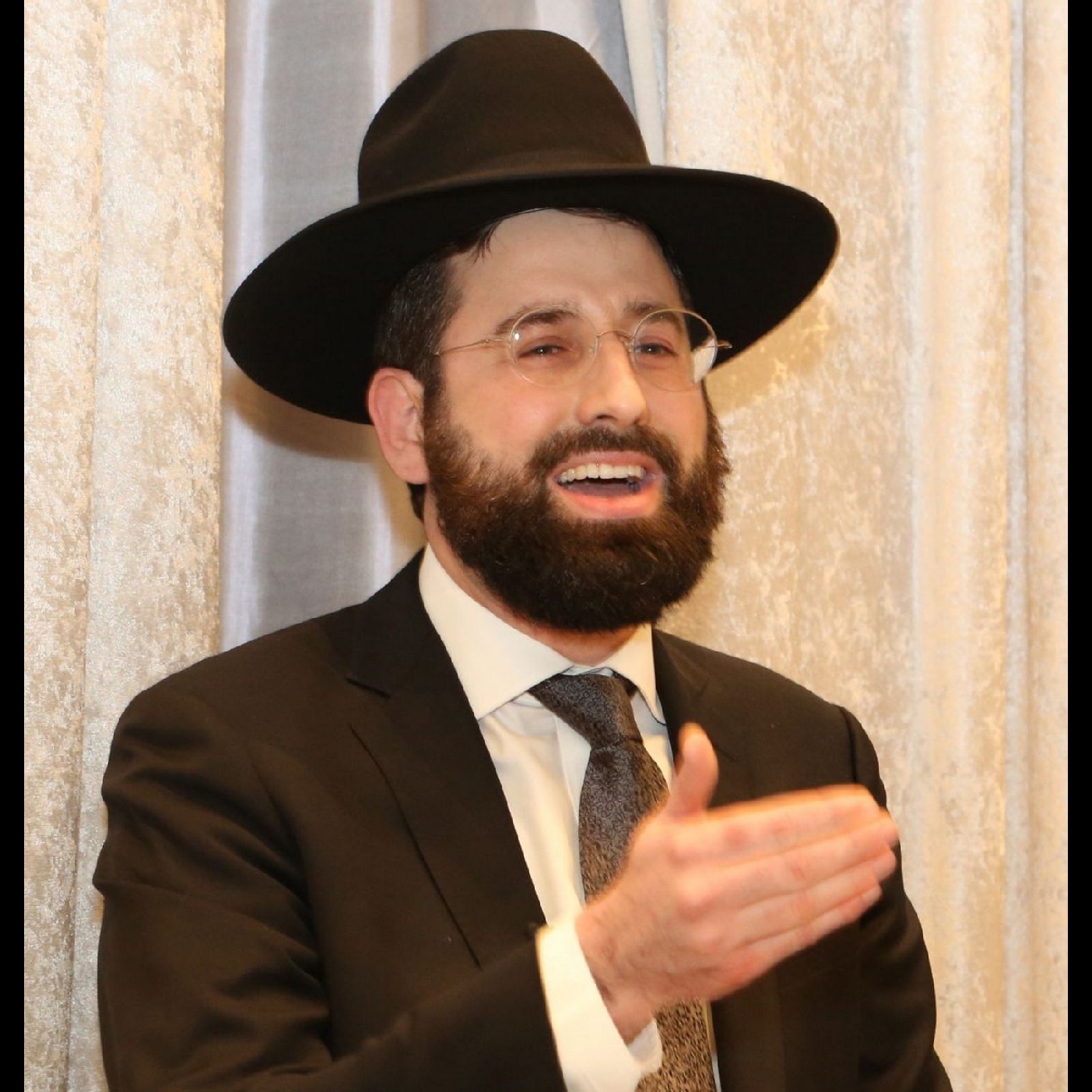
These are extremely informative and entertaining bible study lectures that have blessed many seekers of knowledge and faith over the last 20 years or more. Dr. Thomas L. Constable is a prominent theologian and former professor of Bible Exposition at Dallas Theological Seminary. He is also a pastor at Plano Bible Chapel in Plano, Texas, where he has served for over 50 years. Dr. Constable is widely known for his Bible commentary series, SonicLight.com, which includes Notes on the Bible, Notes on the Minor Prophets, and Notes on Revelation. He is also the author of several books, including "Talk...
Be sure to visit the podcast's website and support the creator: SonicLight.com
Author
Dr. Thomas Constable, Plano Bible Chapel SonicLight.com
Category
Podcast website
Latest episode
Aug 10, 2026
Where to listen?
Podcasts in the app Replaio Radio Coming soonPodcasts are coming to the app soon. Install now and be the first to see a whole new take on podcasts
 Install for free
Android almost 10M downloads · 4.7+ rating
iOS soon
Episodes
John 21, Restoration of Peter and the Book's Epilogue 24.07.2026 45:35
Chapter 21 is widely considered an epilogue to the Gospel — after the purpose statement of 20:30-31 appears to close the book. Constable defends its authenticity and integrity with the Gospel, noting that its themes (Peter's restoration, the Beloved Disciple's fate, the sufficiency of what has been written) are integral to John's pastoral and theological agenda. The setting is the Sea of Tiberias...
John 20, The Resurrection 24.07.2026 46:45
John's resurrection chapter (20) is structured around four encounters that progressively deepen resurrection understanding: Mary Magdalene and the empty tomb (20:1-2), Peter and the Beloved Disciple (20:3-10), Mary Magdalene and the risen Jesus (20:11-18), and the disciples and the risen Jesus (20:19-29). Mary Magdalene's discovery of the stone removed (20:1) is the trigger for the foot race of Pe...
John 19, The Crucifixion 23.07.2026 47:45
John's crucifixion account (chapter 19) is simultaneously the most restrained and the most theologically rich of the four Gospel accounts — focusing on fulfillments, witnesses, and specific details that identify the crucifixion as the precise accomplishment of all that was purposed and prophesied. Pilate's attempts to release Jesus (19:1-16) escalate through three scenes: the scourging and crown o...
John 18:28-40, Jesus Before Pilate 23.07.2026 41:56
John's trial before Pilate (18:28-19:16) is the most extensive treatment of the Roman trial in any of the Gospels — seven scenes alternating between the exterior (where the Jews wait) and the interior (where Pilate interviews Jesus). The first exterior scene (18:28-32): the Jewish leaders refuse to enter the Praetorium (Pilate's residence) because it would make them ceremonially unclean for Passov...
John 18:1-27, Gethsemane, Arrest, and Peter's Denial 23.07.2026 38:27
John's passion narrative (chapters 18-19) compresses and focuses differently from the Synoptics — omitting the Gethsemane agony (treated in 12:27 and 16:33) and emphasizing instead Jesus's sovereign control throughout His arrest and trial. The garden (18:1-12) is the Kidron Valley garden — Constable notes John does not name Gethsemane but provides the detail that Judas knew the place 'because Jesu...
John 17, The High Priestly Prayer 23.07.2026 46:47
John 17 — universally called the High Priestly Prayer — is the longest recorded prayer of Jesus in the Gospels and the only extended window into Jesus's communion with the Father in the Gospel of John. Constable structures it in three sections: Jesus prays for Himself (17:1-5), for His disciples (17:6-19), and for all future believers (17:20-26). The prayer for Himself opens: 'Father, the hour has...
John 16:23-33, Prayer in Jesus's Name and Overcoming the World 23.07.2026 46:55
The closing section of chapter 16 (16:23-33) completes the Upper Room Discourse with an extended promise about prayer, an explicit prediction of the disciples' scattering, and Jesus's most direct declaration of His relationship to the Father and His victory over the world. The prayer promise of 16:23-24 escalates what was said in 14:13-14: 'Truly, truly, I say to you, if you ask the Father for any...
John 16:1-22, The Spirit's Work and Sorrow into Joy 23.07.2026 37:33
Chapter 16 opens by explaining why Jesus has told the disciples these things — 'so that you may be kept from stumbling' (16:1). The specific stumbling anticipated: 'They will make you outcasts from the synagogue, but an hour is coming for everyone who kills you to think that he is offering service to God' (16:2). Constable draws the devastating irony: religious zeal will fuel the persecution of th...
John 15:18-27, The World's Hatred and the Spirit's Testimony 23.07.2026 46:01
The second half of chapter 15 transitions from the community's internal love to its external experience: the world's hatred of the disciples. 'If the world hates you, you know that it has hated Me before it hated you' (15:18). Constable explains the theological logic: the disciples' election out of the world (15:19) means they no longer belong to the world's system — and the world responds to this...
John 15:1-17, The Vine and the Branches 23.07.2026 46:18
The vine-and-branches discourse (15:1-17) is the most intimate of Jesus's 'I AM' metaphors — describing the organic, continuous, productive relationship between Jesus and His disciples. 'I am the true vine, and My Father is the vinedresser' (15:1). Constable notes the 'true' (alēthinos): in the Old Testament, Israel was God's vine (Isaiah 5:1-7; Jeremiah 2:21; Psalm 80:8-16) but proved faithless —...
John 14:15-31, The Spirit and the Peace of Christ 23.07.2026 43:17
The second half of chapter 14 introduces the Paraclete — the 'Helper' (paraklētos, Comforter, Counselor, Advocate) — one of the most important discourses on the Holy Spirit in the New Testament. 'If you love Me, you will keep My commandments. I will ask the Father, and He will give you another Helper, that He may be with you forever; that is the Spirit of truth, whom the world cannot receive, beca...
John 14:1-14, I Am the Way, the Truth, and the Life 23.07.2026 44:12
John 14 opens the most extended record of Jesus's teaching in any one setting in the Gospels — the Upper Room Discourse (chapters 14-16) — delivered after the Last Supper on the night of His arrest. 'Do not let your heart be troubled; believe in God, believe also in Me' (14:1). Constable identifies the imperative: troubled hearts are healed not by circumstances changing but by faith expanding — sp...
John 13:21-38, The Betrayer Identified and the New Commandment 23.07.2026 36:26
The identification of the betrayer (13:21-30) is one of John's most carefully narrated scenes, and 'the disciple whom Jesus loved' (traditionally identified as John himself) plays a key role. Jesus is 'troubled in spirit' (13:21) — the same verb as in 11:33 and 12:27 — when He says 'one of you will betray Me.' The disciples look at one another, uncertain who is meant. Peter signals to the Beloved...
John 13:1-20, The Washing of Feet 23.07.2026 34:59
John 13 opens the Book of Glory with a statement that establishes the theological frame for everything from here through the passion and resurrection: 'Jesus knowing that His hour had come that He would depart out of this world to the Father, having loved His own who were in the world, He loved them to the end' (13:1). Constable identifies 'the end' (eis telos) as both temporal ('to the last momen...
John 12:23-50, The Grain of Wheat and Judgment of the World 22.07.2026 45:56
The Greeks' arrival triggers Jesus's announcement of the hour: 'The hour has come for the Son of Man to be glorified' (12:23). The grain of wheat parable (12:24) is Jesus's own interpretation of the cross: 'Unless a grain of wheat falls into the earth and dies, it remains alone; but if it dies, it bears much fruit.' Constable explains the eschatological logic: the Gentiles coming to Jesus signals...
John 12:1-22, Mary's Anointing and the Triumphal Entry 22.07.2026 34:23
Chapter 12 marks the transition from the public ministry (Book of Signs) to the passion (Book of Glory) — a sequence of events that accelerates toward the cross. The dinner at Bethany (12:1-11) takes place six days before Passover; Lazarus is present; Martha serves; and Mary performs the act that Jesus will say 'will also be spoken of in memory of her' wherever the gospel is preached (Matthew 26:1...
John 11:28-57, The Raising of Lazarus 22.07.2026 18:37
The raising of Lazarus (11:28-44) is the most dramatic single miracle in the Gospels and the one that precipitates the Sanhedrin's decision to kill Jesus. Mary arrives and falls at Jesus's feet — the same posture as in 12:3 — with the same words as Martha: 'Lord, if You had been here, my brother would not have died' (11:32). The two sisters' identical statement suggests they had been saying it to...
John 11:1-27, The Illness and Death of Lazarus 22.07.2026 44:58
Chapter 11 contains the seventh and climactic sign of the Book of Signs — the raising of Lazarus — and John's most complete exposition of Jesus as the resurrection and the life. The chapter opens with the report of Lazarus's illness reaching Jesus: 'Lord, behold, he whom You love is sick' (11:3). The response that follows is one of the most important delay-statements in the Gospels: 'This sickness...
John 10:22-42, Feast of Dedication and Jesus and the Father 22.07.2026 43:37
Chapter 10 concludes with the Feast of Dedication (Hanukkah) setting — the festival commemorating the Maccabean rededication of the temple in 165 B.C. after Antiochus IV's desecration. The timing is significant: Jews are gathered to celebrate a prior deliverance at the very moment they are seeking to stone the one who offers ultimate deliverance. The question 'How long will You keep us in suspense...
John 10:1-21, The Good Shepherd 22.07.2026 41:32
Chapter 10 continues the same encounter as chapter 9 — Jesus is still addressing the Pharisees who interrogated and expelled the formerly blind man. The Good Shepherd discourse flows directly from the spiritual blindness conclusion of chapter 9 as a response to the false shepherds of Israel (the Pharisees) who expelled their own sheep. The sheepfold imagery (10:1-6) draws on the common Palestinian...
John 9, The Man Born Blind 22.07.2026 43:18
The healing of the man born blind (chapter 9) is one of the most brilliantly constructed narratives in the Gospel — a story that operates simultaneously as miracle account, theological discourse, judicial inquiry, and extended metaphor for spiritual sight and blindness. Jesus sees a man blind from birth (9:1). The disciples' question — 'Rabbi, who sinned, this man or his parents, that he would be...
John 8:31-59, Abraham, Truth, and the Great I AM 22.07.2026 43:40
The second half of chapter 8 is the most confrontational dialogue in the Gospels, escalating from freedom and truth (8:31-36) through Abraham's children (8:37-47) to the climactic pre-existence claim (8:51-59). Jesus's statement to 'those Jews who had believed Him' (8:31) — 'If you continue in My word, then you are truly disciples of Mine; and you will know the truth, and the truth will make you f...
John 8:1-30, The Light of the World 22.07.2026 41:21
The textual history of 7:53-8:11 (the woman caught in adultery) requires brief attention: Constable acknowledges that this passage does not appear in the oldest and most reliable manuscripts and was likely not part of John's original Gospel — yet the event is consistent with Jesus's character and may record a genuine incident. He treats it as authentic historical tradition while noting the textual...
John 7, The Feast of Tabernacles 22.07.2026 42:36
Chapter 7 takes place at the Feast of Tabernacles (Sukkoth) in Jerusalem — the harvest festival that commemorated Israel's wilderness wandering and anticipated eschatological blessing. The chapter's setting deepens Constable's treatment of the escalating Christological crisis: as Jesus's brothers urge Him to go public at the feast, some seek to kill Him, the crowds debate His identity, and the aut...
John 6:52-71, The Bread of Life Discourse, Part 2 22.07.2026 40:27
The second half of the Bread of Life discourse intensifies the offense to the point of causing widespread defection from Jesus's following. The controversy is over Jesus's statement: 'unless you eat the flesh of the Son of Man and drink His blood, you have no life in yourselves' (6:53). Constable addresses the Eucharistic interpretation carefully: while some read this as a direct reference to the...
Similar podcasts







Listen to the Bible Study with Dr. Thomas Constable podcast in Replaio
Radio and podcasts in one app - free, with no sign-up. Install today and do not miss the launch
Replaio is not a podcast publisher; show names, artwork and audio belong to their authors and are distributed through public RSS feeds.
