AudioBooks
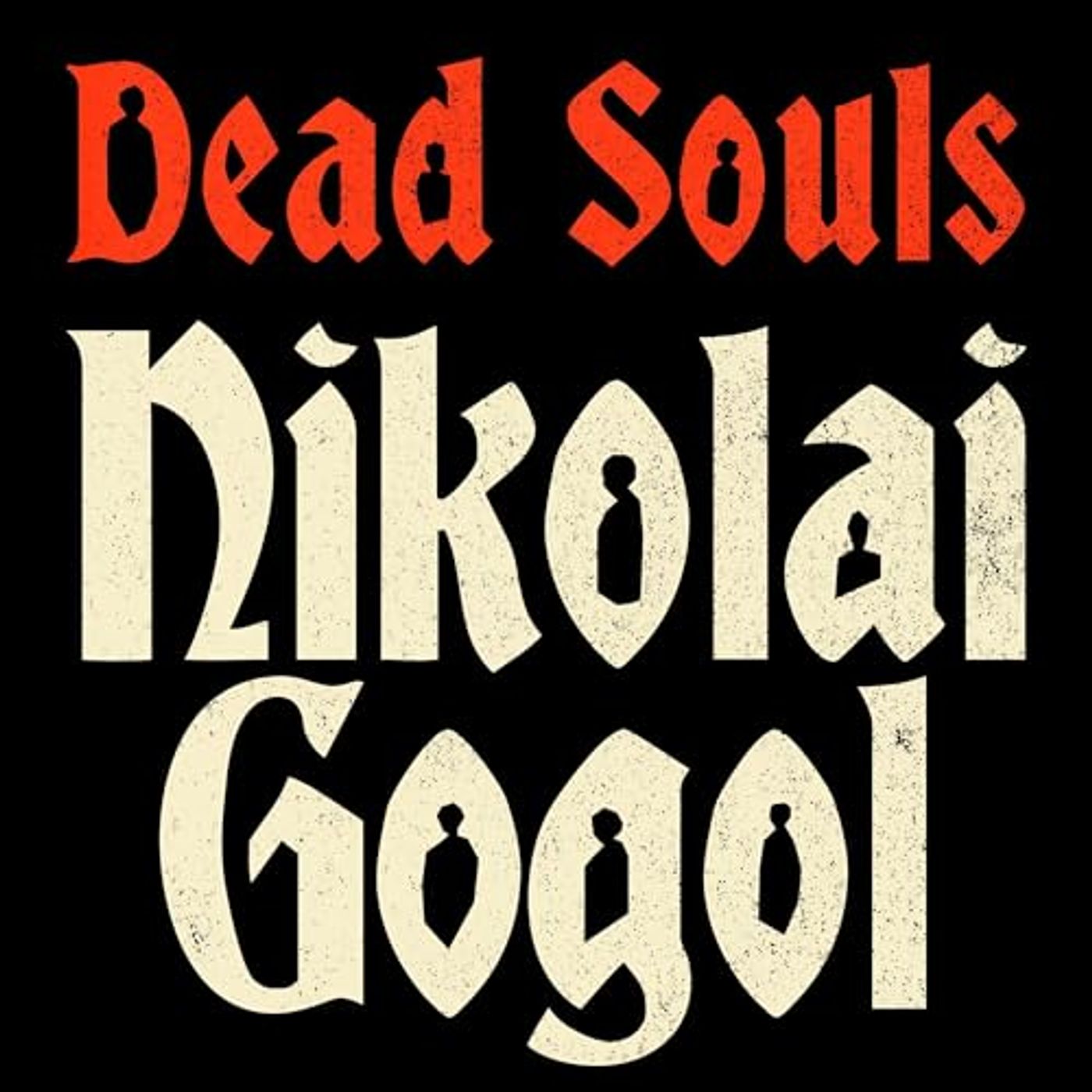
Dead Souls, by Nikolai Vasilievich Gogol.
Dead Souls, by Nikolai Vasilievich Gogol. Dead Souls by Nikolai Gogol, Russian writer, was first published in 1842, and is one of the most prominent works of 19th-century Russian literature. Gogol himself saw it as an "epic poem in prose", and within the book as a "novel in verse". Despite supposedly completing the trilogy's second part, Gogol destroyed it shortly before his death. Although the novel ends in mid-sentence (like Sterne's Sentimental Journey), it is usually regarded as complete in the extant form. In Russia before the emancipation of the serfs in 1861, landowners were entitle...
No dejes de visitar la web del podcast y apoyar a su creador: www.facebook.com
¿Dónde escuchar?
Podcasts en la app Replaio Radio Muy prontoLos podcasts llegarán muy pronto a la app. Instálala ahora y sé el primero en descubrir una forma totalmente nueva de vivir los podcasts
 Instálala gratis
Android casi 10 M de descargas · valoración de 4,8
iOS muy pronto
Instálala gratis
Android casi 10 M de descargas · valoración de 4,8
iOS muy pronto
Episodios
01 - Part I, Chapter I. Dead Souls, by Nikolai Vasilievich Gogol. 04.09.2025 37:01
01 - Part I, Chapter I. Dead Souls, by Nikolai Vasilievich Gogol. Dead Souls by Nikolai Gogol, Russian writer, was first published in 1842, and is one of the most prominent works of 19th-century Russian literature. Gogol himself saw it as an "epic poem in prose", and within the book as a "novel in verse". Despite supposedly completing the trilogy's second part, Gogol destroyed it shortly before...
00 - Introduction by John Cournos, and Author's Preface. Dead Souls, by Nikolai Vasilievich Gogol. 04.09.2025 25:39
00 - Introduction by John Cournos, and Author's Preface. Dead Souls, by Nikolai Vasilievich Gogol. Dead Souls by Nikolai Gogol, Russian writer, was first published in 1842, and is one of the most prominent works of 19th-century Russian literature. Gogol himself saw it as an "epic poem in prose", and within the book as a "novel in verse". Despite supposedly completing the trilogy's second part,...
Podcasts similares







Escucha el podcast Dead Souls, by Nikolai Vasilievich Gogol. en Replaio
Radio y podcasts en una sola app - gratis y sin registro. Instálala hoy y no te pierdas el estreno
Replaio no es editor de podcasts; los nombres de los programas, las portadas y el audio pertenecen a sus autores y se distribuyen a través de canales RSS públicos