Krishnamurti Foundation Trust
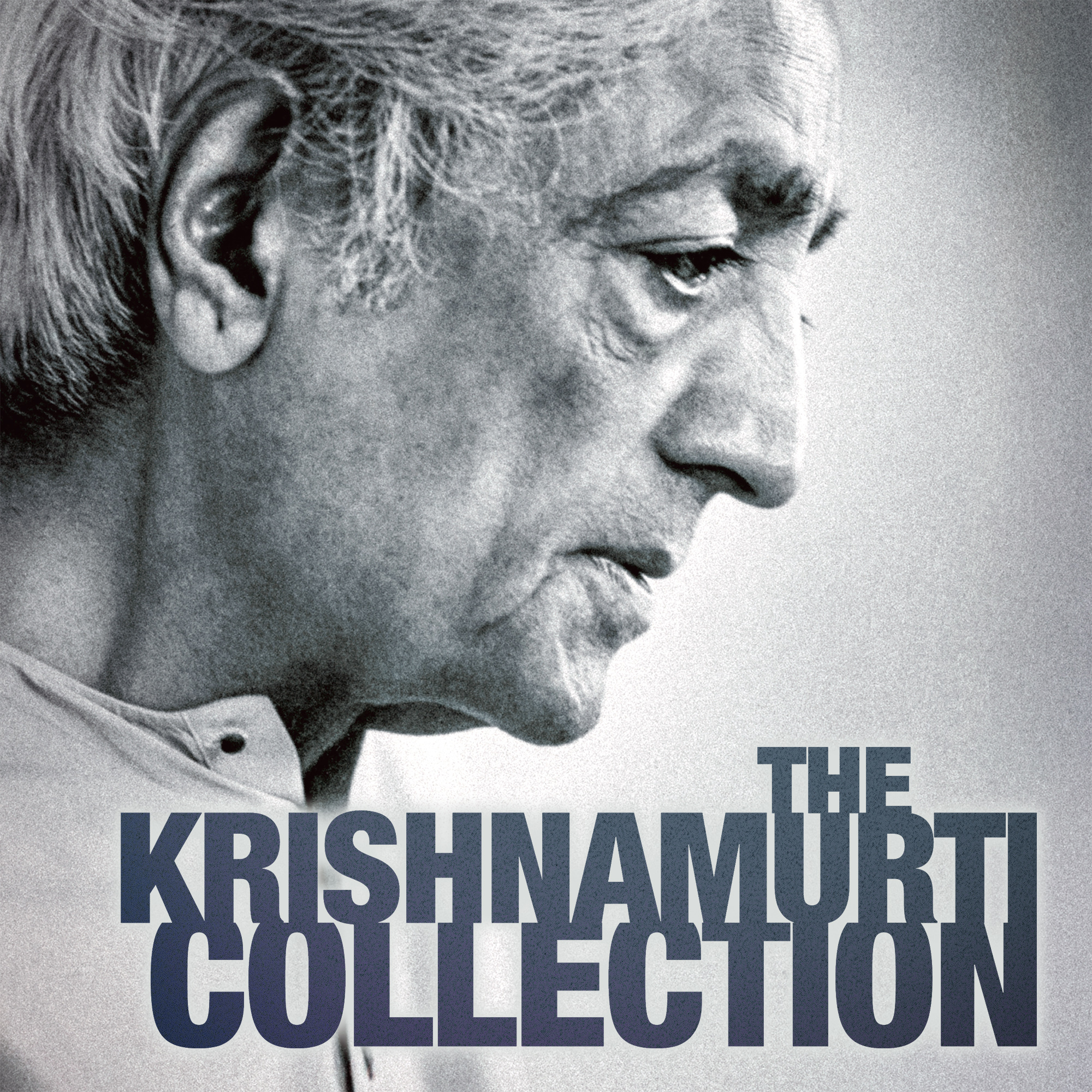
The Krishnamurti Collection
The Krishnamurti Collection is an official podcast by Krishnamurti Foundation Trust. Across this wide selection of events, from public talks to in-depth conversations, Krishnamurti explores fundamental questions of human existence: the nature of thought, fear and desire; the roots of conflict and conditioning; and whether the mind can be free – questions that touch our daily lives and relationships. Each episode of the podcast features a full-length Krishnamurti recording from the Foundation’s archives, with a new series released every week. Krishnamurti is widely regarded as one of the greate...
Vizitează neapărat site-ul podcastului și susține-i creatorul: krishnamurticollection.podbean.com
Autor
Krishnamurti Foundation Trust
Categorie
Site-ul podcastului
Cel mai nou episod
21 nov. 2026
Unde asculți?
Podcasturi în aplicație Replaio Radio În curândPodcasturile ajung în curând în aplicație. Instaleaz-o acum și fii primul care descoperă o abordare complet nouă a podcasturilor
 Instalează gratuit
Android 10 mil.+ descărcări · nota 4,7+
iOS în curând
Episoade
81 • Brockwood Park & Gstaad 1975 (5/12) • Conversation with David Bohm 5: Attention Implies That There Is No Centre 13.05.2026 2:04:43
Krishnamurti: Truth, Actuality, and the Limits of Thought Brockwood Park and Gstaad 1975, Conversations with David Bohm 5/12: Attention Implies That There Is No Centre Consciousness, because it is in constant movement, has never found an energy which is not contradictory, which is not produced by desire and thought. Can thought ever see its own movement and the futility of its own movement? Attent...
80 • Brockwood Park & Gstaad 1975 (4/12) • Conversation with David Bohm 4: How Does Desire Arise From Perception? 13.05.2026 1:27:55
Krishnamurti: Truth, Actuality, and the Limits of Thought Brockwood Park and Gstaad 1975, Conversations with David Bohm 4/12: How Does Desire Arise From Perception? Why has desire become such an extraordinarily important thing in life? How does desire arise from perception? Can I desire truth? Is the energy of nothingness different from the energy of things? Is that nothingness a hypothesis, a the...
79 • Brockwood Park & Gstaad 1975 (3/12) • Conversation with David Bohm 3: Thought Cannot Bring About an Insight 13.05.2026 1:19:02
Krishnamurti: Truth, Actuality, and the Limits of Thought Brockwood Park and Gstaad 1975, Conversations with David Bohm 3/12: Thought Cannot Bring About an Insight Is there a thinking without the word? The action brought about by thought into the investigation of an analysis is always incomplete. Insight is complete. It is not fragmented as thought is. So thought cannot bring about an insight. I m...
78 • Brockwood Park & Gstaad 1975 (2/12) • Conversation with David Bohm 2: Seeing ‘What Is’ Is Action 13.05.2026 2:01:18
Krishnamurti: Truth, Actuality, and the Limits of Thought Brockwood Park and Gstaad 1975, Conversations with David Bohm 2/12: Seeing ‘What Is’ Is Action If truth is something totally different from reality then what place has action in daily life, in relation to truth and reality? Seeing what is is action. What place has love in truth? When I separate you, in that separation love cannot exist. How...
77 • Brockwood Park & Gstaad 1975 (1/12) • Conversation with David Bohm 1: What Is Truth and What Is Reality? 13.05.2026 1:08:44
Krishnamurti: Truth, Actuality, and the Limits of Thought Brockwood Park and Gstaad 1975, Conversations with David Bohm 1/12: What Is Truth and What Is Reality? What is truth and what is reality? Anything that thought thinks about or reflects upon or projects, that is reality. And that reality has nothing to do with truth. The art of seeing is to place reality where it is, and not move that in ord...
76 • Brockwood Park 1985 (6/6) • Talk 4: The Nature of the Brain That Lives Religiously 13.05.2026 1:09:16
Krishnamurti: Facing a World in Crisis Brockwood Park 1985, Public Meetings 6/6: The Nature of the Brain That Lives Religiously Do we realize that we are the world and the world is us? Can we together understand the world, ourselves and our relationship to the world? Can we inquire together into why we want continuity and what is ending? How are time and thought involved in this process? What is d...
75 • Brockwood Park 1985 (5/6) • Talk 3: The Relationship of Freedom to Self-Interest 13.05.2026 1:00:57
Krishnamurti: Facing a World in Crisis Brockwood Park 1985, Public Meetings 5/6: The Relationship of Freedom to Self-Interest Do we realize how very little freedom we have? Are pleasure, fear, self-interest, time, thought, all one movement? Does change imply a movement in time? If we understand that all time is now then is change meaningless? Why has man suffered from time immemorial? Is there an...
74 • Brockwood Park 1985 (4/6) • 2nd Question & Answer Meeting 13.05.2026 1:22:56
Krishnamurti: Facing a World in Crisis Brockwood Park 1985, Public Meetings 4/6: 2nd Question & Answer Meeting Is it possible to be totally free of influence, to find the origin, the beginning of all things? Q1: Is there a faculty to see that there is no path to truth outside myself? What will give me the need, the energy to move in this direction? Q2: I am afraid to change. If I change, what...
73 • Brockwood Park 1985 (3/6) • 1st Question & Answer Meeting 13.05.2026 1:20:43
Krishnamurti: Facing a World in Crisis Brockwood Park 1985, Public Meetings 3/6: 1st Question & Answer Meeting Why are you here? Q1: How can we know if mystical and spiritual experiences are illusions unless we know reality? Q2: Is illness due simply to degeneration or abuse of the body, or does it have some other significance? Q3: What is my responsibility toward the present world crisis? Q4:...
72 • Brockwood Park 1985 (2/6) • Talk 2: The Relationship of Time and Thought To Fear 13.05.2026 1:19:55
Krishnamurti: Facing a World in Crisis Brockwood Park 1985, Public Meetings 2/6: The Relationship of Time and Thought To Fear What is the nature of beauty? What is its relationship to thought, time and love? Can memory apprehend that which is beautiful? Time is the movement of memory, knowledge, experience. Can this movement ever end? What is the connection between thought and time? Can thinking i...
71 • Brockwood Park 1985 (1/6) • Talk 1: Why Do We Have So Many Problems? 13.05.2026 1:09:27
Krishnamurti: Facing a World in Crisis Brockwood Park 1985, Public Meetings 1/6: Why Do We Have So Many Problems? How do you approach a problem or challenge? Can the brain, educated to live with problems, have no problems at all? Are we aware that our brain lives with problems? Can the brain become aware of itself, its thoughts, its reactions, its way of living? Can the brain be free of self-inter...
70 • Brockwood Park 1981 (1/2) • Conversation with Pupul Jayakar 2: Living With Death 13.05.2026 1:01:35
Krishnamurti: Two Conversations with Pupul Jayakar, 1981 Brockwood Park 1981, Conversations with Pupul Jayakar 2/2: Living With Death What is ending? The mind cannot enter into a totally new dimension if there is a shadow of memory of anything. If the movement of thought ends, consciousness as we know it is not. Thought is the enemy of compassion. Q: What significance has death? I meet the Buddha...
69 • Brockwood Park 1981 (1/2) • Conversation with Pupul Jayakar 1: On God 13.05.2026 1:19:49
Krishnamurti: Two Conversations with Pupul Jayakar, 1981 Brockwood Park 1981, Conversations with Pupul Jayakar 1/2: On God Q: Can we discuss and investigate into the nature of God? Can we negate completely the whole movement of knowledge - except the knowledge of driving a car, speaking a language, technological knowledge? Can one totally empty the whole accumulation of a million years? We never...
68 • Brockwood Park 1978 (2/2) • Conversation with Pupul Jayakar 2: Thought Cannot Fundamentally Perceive or Comprehend the Totality of Consciousness 13.05.2026 1:26:12
Krishnamurti: Two Conversations with Pupul Jayakar, 1978 Brockwood Park 1978, Conversations with Pupul Jayakar 2/2: Thought Cannot Fundamentally Perceive or Comprehend the Totality of Consciousness What does the word ‘conscious’ mean to you? Thought can never be aware of the total content of consciousness. Can the mind perceive the totality? Is there a love or a quality which is not part of consci...
67 • Brockwood Park 1978 (1/2) • Conversation with Pupul Jayakar 1: Has There Been a Radical Change in Krishnamurti’s Teaching? 13.05.2026 1:16:50
Krishnamurti: Two Conversations with Pupul Jayakar, 1978 Brockwood Park 1978, Conversations with Pupul Jayakar 1/2: Has There Been a Radical Change in Krishnamurti’s Teaching? Q: Has there been a radical change in your teaching? Has there been, after thirty years, a movement away from observation, from the division between the thinker and the thought, and from the whole content of consciousness? W...
66 • Brockwood Park 1975 (6/6) • Talk 4: Can We Ever Perceive Truth? 13.05.2026 1:13:57
Krishnamurti: What Is Correct Action in a Disintegrating World? Brockwood Park 1975, Public Meetings 6/6: Can We Ever Perceive Truth? What is reality? What are the limitations of thought and can it ever perceive truth? Can we go far unless there is order in the world of reality? Is there an observation of the field of reality without the movement of thought? What is freedom? To understand freedom...
65 • Brockwood Park 1975 (5/6) • Talk 3: Is There Something With No Beginning or End? 13.05.2026 1:14:58
Krishnamurti: What Is Correct Action in a Disintegrating World? Brockwood Park 1975, Public Meetings 5/6: Is There Something With No Beginning or End? Can we end suffering at all levels inwardly? Can there be love, not just personal love but the enormous feeling of compassion? What is the total significance of death, the ending of what we know as life? That which ends has a new beginning, not that...
64 • Brockwood Park 1975 (4/6) • Discussion 2: Do You Respond According to an Image? 13.05.2026 1:30:27
Krishnamurti: What Is Correct Action in a Disintegrating World? Brockwood Park 1975, Public Meetings 4/6: Do You Respond According to an Image? Q: How is one to be aware of the content of one's consciousness? To be totally aware implies no observer. The observer is the past which therefore brings about fragmentation. Can you live in the present? To live in the present means not a single memory not...
63 • Brockwood Park 1975 (3/6) • Discussion 1: The Action of Total Awareness 13.05.2026 1:28:14
Krishnamurti: What Is Correct Action in a Disintegrating World? Brockwood Park 1975, Public Meetings 3/6: The Action of Total Awareness Q: What does it mean to be aware? If you are aware every moment your conditioning does not exist. Is there an activity which is not mechanical? The mechanical part of the brain follows a line set by thought. Thought itself is mechanical. We are all hurt from chi...
62 • Brockwood Park 1975 (2/6) • Talk 2: Can Suffering End Totally? 13.05.2026 1:17:37
Krishnamurti: What Is Correct Action in a Disintegrating World? Brockwood Park 1975, Public Meetings 2/6: Can Suffering End Totally? Isn't the only energy of thought we know that which comes in contradiction and duality? How does desire arise? Is it seeing, sensation, contact, then desire? Why is there a sense of wanting, lack, pursuing something all the time, which is desire? Does desire, the wa...
61 • Brockwood Park 1975 (1/6) • Talk 1: What Is the Function of Thought? 13.05.2026 1:28:37
Krishnamurti: What Is Correct Action in a Disintegrating World? Brockwood Park 1975, Public Meetings 1/6: What Is the Function of Thought? Is there an action that is whole and complete at the personal and social level? Does thought, having created the ‘me’ make it into a fragment? Can thought realize its limitation and not spill over into the realm it can never touch? Is compassion the result of...
60 • Bombay 1980 (5/5) • Talk 5: Self-Centred Occupation Creates Sorrow 13.05.2026 1:08:44
Krishnamurti: The Brain Can Function Excellently Only in Order Bombay 1980, Public Meetings 5/5: Self-Centred Occupation Creates Sorrow Loneliness comes about through our daily self-centred action. Can there be activity not centred around oneself? As long as we are lonely, sorrow inevitably continues. Self-centred activity in any form leads to isolation, division and strife. Can the mind be free o...
59 • Bombay 1980 (4/5) • Talk 4: Time Perpetuates the Agony of Humanity 13.05.2026 1:03:20
Krishnamurti: The Brain Can Function Excellently Only in Order Bombay 1980, Public Meetings 4/5: Time Perpetuates the Agony of Humanity Can there be freedom from the remembrance of grief, violence and human problems? The brain is accustomed to time: I am not, but I will be, time from ‘what is’ to ‘what should be’. Time is the distorting factor in life. If you act immediately, there is no time. Is...
58 • Bombay 1980 (3/5) • Talk 3: Learning and Desire 13.05.2026 1:04:23
Krishnamurti: The Brain Can Function Excellently Only in Order Bombay 1980, Public Meetings 3/5: Learning and Desire Your brain is the result of thousands of years of experience, evolution and accumulation of knowledge. When energy is limited its activity must be limited. Order based on knowledge inevitably brings disorder. Release of energy can only come when there is absolute order. When there i...
57 • Bombay 1980 (2/5) • Talk 2: The Tremendous Energy of the Brain 13.05.2026 1:07:13
Krishnamurti: The Brain Can Function Excellently Only in Order Bombay 1980, Public Meetings 2/5: The Tremendous Energy of the Brain Your brain is the result of thousands of years of experience, evolution and accumulation of knowledge. When energy is limited its activity must be limited. Order based on knowledge inevitably brings disorder. Release of energy can only come when there is absolute orde...
Podcasturi asemănătoare







Ascultă podcastul The Krishnamurti Collection în Replaio
Radio și podcasturi într-o singură aplicație - gratuit și fără înregistrare. Instaleaz-o azi și nu rata lansarea
Replaio nu este editorul podcasturilor; numele emisiunilor, coperțile și materialul audio aparțin autorilor lor și sunt distribuite prin fluxuri RSS publice