Steve Hoffman
The Story of the Bible in 14 Objects
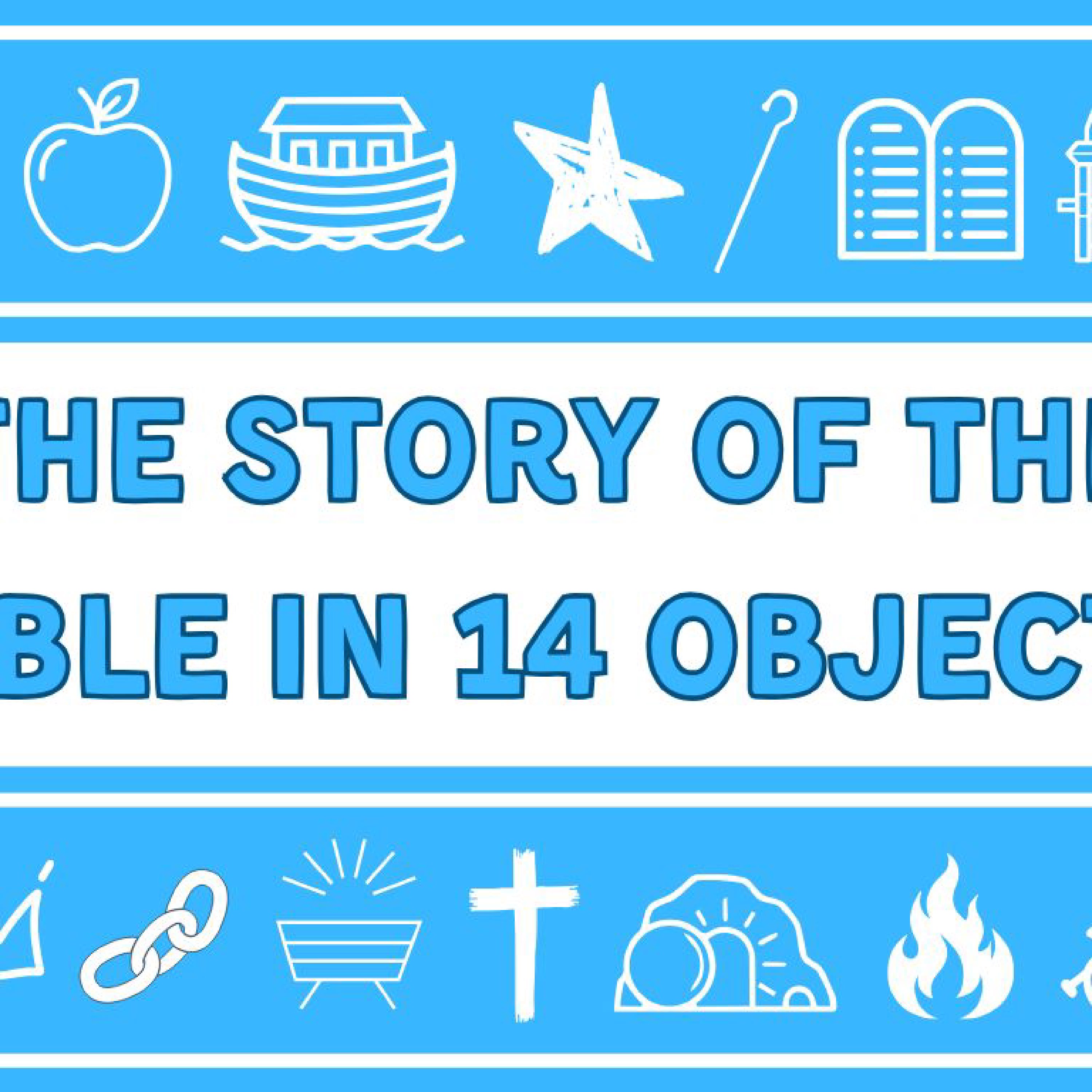
The Bible tells a single, cohesive story about the relationship between God and humanity--how a loving, merciful God pursues a rebellious people. The Story of the Bible in 14 Objects explores how things like fruit, boats, shepherd's crooks and feeding troughs explain the relentless pursuit of a God dedicated to redeeming a broken creation.
Where to listen?
Podcasts in the app Replaio Radio Coming soonPodcasts are coming to the app soon. Install now and be the first to see a whole new take on podcasts
 Install for free
Android 5M+ downloads · 4.8 rating
iOS soon
Install for free
Android 5M+ downloads · 4.8 rating
iOS soon
Episodes
The Story of the Bible in 14 Objects: Stars 08.07.2026 24:31
How will an 85 year old man with no children of his own become the father of a great nation, with descendants that outnumber the stars?
The Story of the Bible in 14 Objects: Staff 08.07.2026 19:14
What does a shepherd's crook have to teach us about God and his relationship with Israel?
The Story of the Bible in 14 Objects: Dust 24.06.2026 26:00
What would it mean if humans were made out of dust? What would it tell us about them? And what would it reveal to us about the being that created them? In Chapter 1 of the Story of the Bible in 14 Objects, we will see what dust has to teach us about humanity, God, and their relationship.
The Story of the Bible in 14 Objects: Fruit 24.06.2026 29:54
Why did God plant a tree in the Garden and tell the first people not to eat from it? What purpose or reason could there have been to place a giant red self-destruct button in the middle of God's good creation? Find out what fruit has to tell us about the existence of evil and what God might do to overcome it.
The Story of the Bible in 14 Objects: Boat 24.06.2026 30:35
So, did humanity learn its lesson about disobeying God or...did they get so evil God had to consider wiping them out with a worldwide flood? Tune into this chapter of SotB14O to see how a boat becomes a symbol of God's mercy toward humanity.
Similar podcasts







Listen to the The Story of the Bible in 14 Objects podcast in Replaio
Radio and podcasts in one app - free, with no sign-up. Install today and do not miss the launch
Replaio is not a podcast publisher; show names, artwork and audio belong to their authors and are distributed through public RSS feeds.