
Dr. Matt Walker
The Matt Walker Podcast
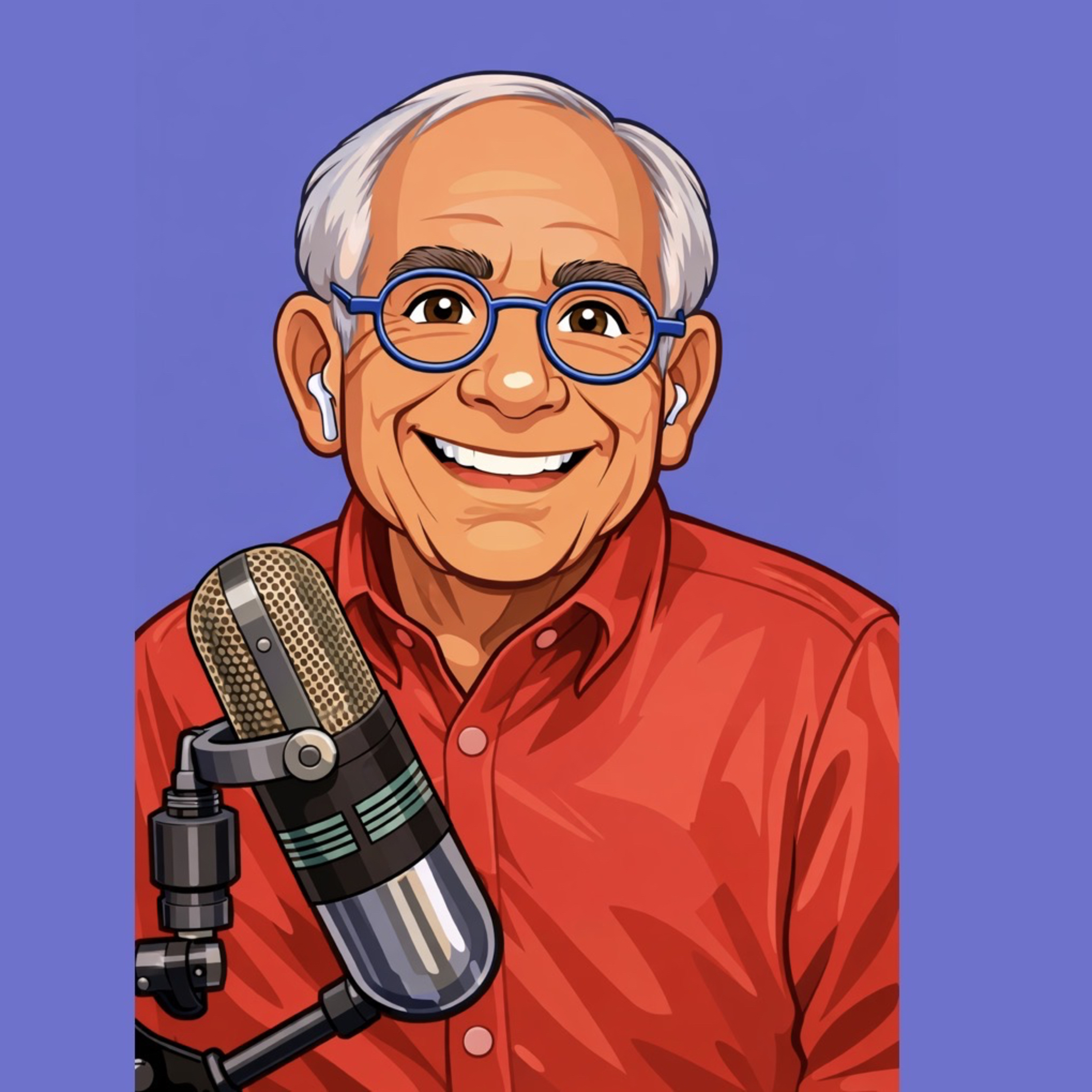
The Matt Walker Podcast is all about sleep, the brain, and the body. Matt is a Professor of Neuroscience at the University of California, Berkeley. He is the author of the book, Why We Sleep and has given a few TED talks. Matt is an awkward British nerd who adores science and the communication of science to the public.
Be sure to visit the podcast's website and support the creator: themattwalkerpodcast.buzzsprout.com
Author
Dr. Matt Walker
Category
Podcast website
Latest episode
Nov 16, 2026
Where to listen?
Podcasts in the app Replaio Radio Coming soonPodcasts are coming to the app soon. Install now and be the first to see a whole new take on podcasts
 Install for free
Android 10M+ downloads · 4.7+ rating
iOS soon
Episodes
#137 - Bedtime Procrastination 27.05.2026 29:58
Matt examines "revenge bedtime procrastination," where individuals voluntarily delay sleep to reclaim autonomy. Distinguishing this "unlocked door" from the "locked door" of insomnia, he uses global data to explain how smartphones and low agency trigger this behavior which then leads to chronic sleep debt and impaired cognitive function. Matt goes on to link sleep irr...
#136 - Sleep & Sound 20.05.2026 33:10
Matt returns today to explain why humans didn't evolve for silent sleep. Citing the Hadza and the brain's "open microphone," he explains how we process sound for safety even while resting. He details the "first-night effect," where half the brain stays alert in new environments, demonstrating that our ears never truly switch off. Our host weighs the benefits of noise...
#135 - Two Windows: How Light Shapes your Sleep 13.05.2026 27:11
Matt delves into how daily light exposure dictates our sleep quality and how improper lighting can derail perfect sleep hygiene. He explains that our brain's internal clock naturally drifts backward by 14 minutes daily, requiring a corrective signal like outdoor sunlight before 10:00 a.m. to act as a crucial biological anchor for timing the eventual release of sleep-regulating hormones like m...
#134 - Seeing Inside the Brain with Prenuvo 04.05.2026 1:07:30
Dr. Daniel Durand, Chief Medical Officer and President at Prenuvo Medical Group, joins Matt to discuss a proactive shift from reactive medicine to whole-body MRI screening. This radiation-free technology identifies 16 cancers per 1,000 scans and uncovers silent risks like hepatic steatosis and structural sleep obstructions that traditional diagnostics often miss. The conversation explores how AI...
#133 - Sleep & Doomscrolling 27.04.2026 32:40
Matt introduces "doomscrolling," linking compulsive online consumption to worsened sleep and mental health. He tracks social media's rise (1997-2016), noting increased addiction. By 2016, 82% of 12th graders spent six hours daily online, often at sleep's expense. Matt also highlights heightened psychological distress in adolescent girls due to comparison-focused platforms. Noti...
#132 - Sleep and Binaural Beats 20.04.2026 32:30
Exploring the science of binaural beats, Matt evaluates their potential to improve sleep. Tracing their discovery back to 1838, Matt explains that a binaural beat isn't a physical sound, but a "ghost tone" generated deep within the brainstem. When slightly different frequencies are played into each ear, the brain creates a phantom beat that closely mirrors the delta waves of deep sl...
#131 - Sleeping with Pets 13.04.2026 27:05
Matt examines the ancient practice of sleeping with pets, a bond dating back 12,000 years. Once a practical norm for warmth and companionship, co-sleeping became controversial due to modern ideas of hygiene. This episode uses the latest scientific tools to examine this long-standing relationship and asks whether we’ve been too quick to banish pets from the bedroom. The research reveals a nuanced p...
#130 - Shift Work and Solutions 06.04.2026 31:55
The severe biological and psychological impacts of shift work on essential overnight workers come under Matt’s scrutiny today. He explains how modern schedules clash with our hardwired circadian rhythms, leading to alarming health consequences like shift work disorder, metabolic syndrome, and depression. Matt also highlights a hidden danger of this lifestyle: severely sleep-deprived workers lose t...
The London Apothecary - A Sleep Story Read by Matt Walker 30.03.2026 31:53
Join Matt on a gentle journey designed to help you drift into a peaceful and restful sleep. After settling into bed and releasing the day's tension with a few deep breaths, you will find yourself walking along a quiet street at dusk. Matt guides you to a modest, inviting storefront, its windows spilling a soft, warm glow from within. This is The Apothecary of Tranquil Remedies, a sanctuary fi...
#129 - Natural Short Sleepers 23.03.2026 23:12
Matt delves into the fascinating science of "natural short sleepers," the rare 1-3% of the population genetically wired to thrive on just four to six hours of sleep. He unpacks the research that moved from scientific skepticism to the discovery of specific gene mutations, like DEC2 and ADRB1, responsible for this unique biological trait. This isn't a lifestyle choice, but a distinct...
#128 - Sleep Position 16.03.2026 21:32
Matt reviews Danish neuroscientist Maiken Nedergaard's 2013 discovery: during sleep, glial cells shrink, allowing cerebrospinal fluid to flush brain toxins like beta-amyloid and tau protein. This "private sanitation system" is significantly more efficient with side sleeping, especially compared to front or back sleeping, suggesting an evolutionary preference. Our host reveals the br...
#127 - Non-Restorative Sleep 09.03.2026 30:31
Matt explores the frustrating reality of non-restorative sleep, explaining why up to a third of adults get a full night's rest but wake up exhausted. Using a relatable example, Matt shows how this hidden epidemic is often dismissed by normal sleep studies, despite being a clinical condition linked to anxiety, depression, and cardiovascular issues. He highlights how medicine is just starting t...
#126 - The Coffee Paradox 02.03.2026 29:11
Matt Walker investigates the "coffee paradox," revealing how your morning ritual acts as both a health ally and a silent sleep disruptor. While coffee provides life-extending antioxidants linked to lower risks of heart disease and Alzheimer’s, its caffeine masks adenosine - the brain's signal for sleep pressure. Startling research shows that caffeine consumed even six hours before b...
#125 - Melatonin Explained 23.02.2026 25:01
Matt redefines melatonin as the brain’s "clock whisperer" rather than a sedative, and explains that the hormone signals biological night rather than forcing sleep. Drawing on a meta-analysis, Matt reveals that a 4mg dose taken three hours before bed offers the most effective nudge to the internal clock. He also illustrates why melatonin acts as a tide chart for sleep timing, not a brute-...
#124 - Acting Out Dreams 16.02.2026 28:00
Matt delves into the world of REM Sleep Behavior Disorder (RBD), a condition at the frontiers of sleep science. Normally, the brain dreams while atonia paralyzes the body in a neural magic act that is managed by brainstem nuclei activating inhibitory "brakes" in the spinal cord. When this circuit fails, the motor system remains active, enacting nightmares in real-time. RBD is hazardous -...
Ask Me Anything Part 25: Sleep Talking, Long Covid, CBD/CBN, and Bedroom Environment 09.02.2026 40:01
Matt and Dr. Eti Ben Simon begin their latest AMA by exploring somniloquy as fragmented noise within Stage 2 NREM sleep. They distinguish these vocalizations from REM Sleep Behavior Disorder, where the brain’s paralysis mechanism fails. The pair also examines how Long Covid triggers chronic sleep fragmentation in half of all patients. This disruption is tethered to systemic inflammation and elevat...
#123 - Sleep & the Microbiome 02.02.2026 29:24
Matt explores a revolutionary shift in sleep science, identifying the gut microbiome as a secondary control center for rest. He elucidates the bidirectional gut-brain axis, where the Vagus nerve connects trillions of microorganisms to the brainstem, and details how bacterial metabolites, specifically the short-chain fatty acid butyrate, trigger critical BDNF-TrkB signaling to orchestrate deep NREM...
#122 - Exercise vs. Insomnia 26.01.2026 30:26
Examining the $107B burden of insomnia and its link to a 45% increase in cardiovascular risk, Matt dissects a landmark study of 1,348 participants proving that movement is a potent clinical tool. He also explains how yoga adds nearly two hours of sleep by boosting GABAergic activity, while Tai Chi provides sustained benefits for up to two years. Our host details how exercise facilitates the core t...
#121 - A Practical Guide To Insomnia 19.01.2026 23:52
Matt delves into insomnia, defining it as a persistent struggle to sleep despite having the opportunity. He presents "Cognitive Behavioral Therapy for Insomnia" (CBTI) as the scientifically validated gold standard, and details the five pillars: stimulus control to rebuild the bed-sleep association, time-in-bed restriction to boost efficiency, sleep hygiene, cognitive restructuring, and r...
Ask Me Anything Part 24: Tinnitus, SAD, Sleep Divorce, and Vaccines 12.01.2026 49:38
Matt and Dr. Eti Ben Simon return with another AMA episode where they answer such listener questions as how sleep loss amplifies tinnitus and how Seasonal Affective Disorder impacts circadian rhythm. They also reveal that sleep restriction slashes vaccine-induced antibody production by 50%, and highlight deep NREM sleep as the vital soil for immunological memory. The hosts go on to analyze somnilo...
#120 - How Sleep Deprivation Hijacks Your Genetic Code 05.01.2026 20:09
Putting sleep deprivation under the microscope yet again, Matt explores our "genetic workforce" of 20,000 genes operating on a precise 24-hour cycle. He details 2013 research showing that just one week of six-hour nights alters 711 genes - three percent of the human genome. This shift disrupts the circadian clock’s coordination, moving the body away from essential repair toward cellular...
The Midnight Bookshop: A Sleep Story Read by Matt Walker 29.12.2025 24:50
Join Matt to leave the day’s rush behind. After a brief breathing exercise to settle the mind and body, you will find yourself on a quiet street in a British village. Matt leads you across a small stone bridge to a cozy bookshop nestled between two old brick buildings. This sanctuary is filled with the faint scent of aged paper and polished wood, providing a peaceful haven where time slows down an...
#119 - Your Brain On GLP-1s 22.12.2025 20:17
Exploring GLP-1 agonists in a new light, Matt examines a review that positions these metabolic hormones as potential brain defenders. He details their surprising presence in memory centers and their capacity to combat the "biological rust" of oxidative stress and neuroinflammation. Matt critically evaluates the gap between robust animal models and the unwritten chapter of human trials, w...
#118 - A Sleep Medication to Lower the Risk of Alzheimer's 15.12.2025 19:29
Matt examines the critical link between sleep quality and Alzheimer’s pathology. He details the brain's "night shift" - the glymphatic system - which actively flushes out toxins like amyloid beta during deep sleep. Listeners learn how even a single night of deprivation can spike harmful tau levels by 50%, effectively accelerating brain aging. The discussion pivots to dual orexin rec...
Ask Me Anything Part 23: The Gut, Grief, Creativity, and Microsleeps 08.12.2025 57:15
I n this latest AMA episode, Matt and Dr. Eti Ben Simon explore the complex web connecting sleep to our health and daily lives. They investigate the gut-brain axis, discussing how sleep deprivation alters the microbiome and whether probiotics can restore balance. The conversation also addresses the heavy toll of bereavement, examining the bidirectional link between acute grief and insomnia while o...
Similar podcasts




Listen to the The Matt Walker Podcast podcast in Replaio
Radio and podcasts in one app - free, with no sign-up. Install today and do not miss the launch
Replaio is not a podcast publisher; show names, artwork and audio belong to their authors and are distributed through public RSS feeds.
