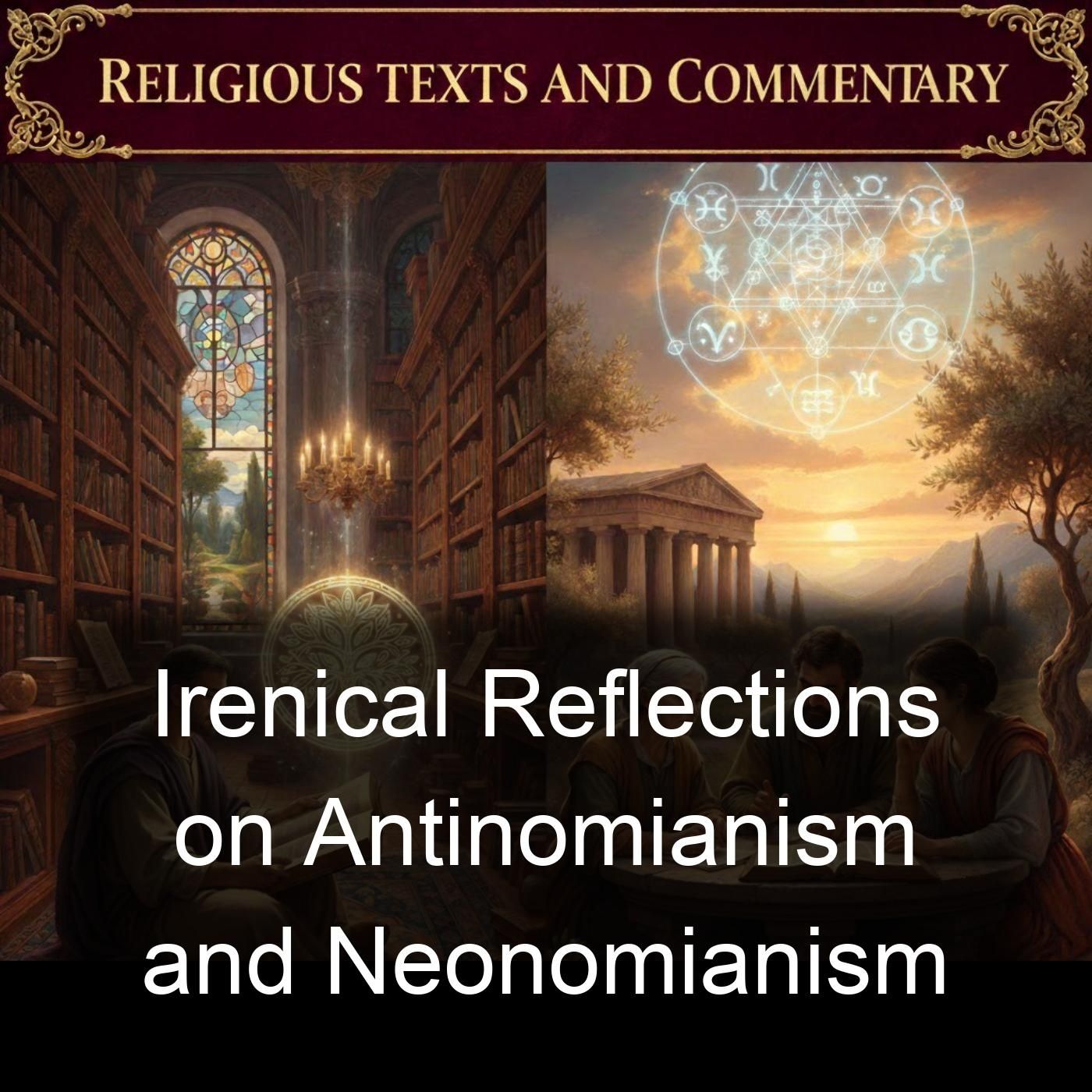
Hermann Witsius
Irenical Reflections on Antinomianism and Neonomianism
The Antinomian-Neonomian controversy of the 17th century was sparked by the republication of Tobias Crisps sermons, Christ Alone Exalted, which faced accusations of antinomianism from Richard Baxter. Baxter himself was then labeled a neonomian—suggesting that Christ’s atonement has diminished the law’s requirements, allowing mere effort to replace perfect obedience. This controversy highlighted various interpretations of ethical thought, where some argued that the Moral Law is irrelevant to believers, leading to severe implications for Christian conduct. Notably, the esteemed theologian Witsiu...
Author
Hermann Witsius
Category
Podcast website
Latest episode
Feb 11, 2026
Where to listen?
Podcasts in the app Replaio Radio Coming soonPodcasts are coming to the app soon. Install now and be the first to see a whole new take on podcasts
 Install for free
Android 5M+ downloads · 4.8 rating
iOS soon
Install for free
Android 5M+ downloads · 4.8 rating
iOS soon
Episodes
019 - Conclusion 11.02.2026 3:11
The Antinomian-Neonomian controversy of the 17th century was sparked by the republication of Tobias Crisps sermons, Christ Alone Exalted, which faced accusations of antinomianism from Richard Baxter. Baxter himself was then labeled a neonomian—suggesting that Christ’s atonement has diminished the law’s requirements, allowing mere effort to replace perfect obedience. This controversy highlighted va...
018 - In what manner and order the preaching of the law should accompany that of the gospel 11.02.2026 16:28
The Antinomian-Neonomian controversy of the 17th century was sparked by the republication of Tobias Crisps sermons, Christ Alone Exalted, which faced accusations of antinomianism from Richard Baxter. Baxter himself was then labeled a neonomian—suggesting that Christ’s atonement has diminished the law’s requirements, allowing mere effort to replace perfect obedience. This controversy highlighted va...
017 - The doctrine of scripture concerning the utility of holiness 11.02.2026 27:05
The Antinomian-Neonomian controversy of the 17th century was sparked by the republication of Tobias Crisps sermons, Christ Alone Exalted, which faced accusations of antinomianism from Richard Baxter. Baxter himself was then labeled a neonomian—suggesting that Christ’s atonement has diminished the law’s requirements, allowing mere effort to replace perfect obedience. This controversy highlighted va...
016 - Paradoxical assertions concerning the utility of holiness 11.02.2026 8:58
The Antinomian-Neonomian controversy of the 17th century was sparked by the republication of Tobias Crisps sermons, Christ Alone Exalted, which faced accusations of antinomianism from Richard Baxter. Baxter himself was then labeled a neonomian—suggesting that Christ’s atonement has diminished the law’s requirements, allowing mere effort to replace perfect obedience. This controversy highlighted va...
015 - Concerning the covenant of grace 11.02.2026 8:31
The Antinomian-Neonomian controversy of the 17th century was sparked by the republication of Tobias Crisps sermons, Christ Alone Exalted, which faced accusations of antinomianism from Richard Baxter. Baxter himself was then labeled a neonomian—suggesting that Christ’s atonement has diminished the law’s requirements, allowing mere effort to replace perfect obedience. This controversy highlighted va...
014 - Our judgment concerning these paradoxes 11.02.2026 20:47
The Antinomian-Neonomian controversy of the 17th century was sparked by the republication of Tobias Crisps sermons, Christ Alone Exalted, which faced accusations of antinomianism from Richard Baxter. Baxter himself was then labeled a neonomian—suggesting that Christ’s atonement has diminished the law’s requirements, allowing mere effort to replace perfect obedience. This controversy highlighted va...
013 - The explication of certain paradoxes 11.02.2026 8:47
The Antinomian-Neonomian controversy of the 17th century was sparked by the republication of Tobias Crisps sermons, Christ Alone Exalted, which faced accusations of antinomianism from Richard Baxter. Baxter himself was then labeled a neonomian—suggesting that Christ’s atonement has diminished the law’s requirements, allowing mere effort to replace perfect obedience. This controversy highlighted va...
012 - Whether repentance precedes the remission of sins 11.02.2026 3:20
The Antinomian-Neonomian controversy of the 17th century was sparked by the republication of Tobias Crisps sermons, Christ Alone Exalted, which faced accusations of antinomianism from Richard Baxter. Baxter himself was then labeled a neonomian—suggesting that Christ’s atonement has diminished the law’s requirements, allowing mere effort to replace perfect obedience. This controversy highlighted va...
011 - What relation faith has to justification 11.02.2026 14:51
The Antinomian-Neonomian controversy of the 17th century was sparked by the republication of Tobias Crisps sermons, Christ Alone Exalted, which faced accusations of antinomianism from Richard Baxter. Baxter himself was then labeled a neonomian—suggesting that Christ’s atonement has diminished the law’s requirements, allowing mere effort to replace perfect obedience. This controversy highlighted va...
010 - Concerning the essence of faith 11.02.2026 10:37
The Antinomian-Neonomian controversy of the 17th century was sparked by the republication of Tobias Crisps sermons, Christ Alone Exalted, which faced accusations of antinomianism from Richard Baxter. Baxter himself was then labeled a neonomian—suggesting that Christ’s atonement has diminished the law’s requirements, allowing mere effort to replace perfect obedience. This controversy highlighted va...
009 - Concerning the law of works the works of the law and faith 11.02.2026 18:14
The Antinomian-Neonomian controversy of the 17th century was sparked by the republication of Tobias Crisps sermons, Christ Alone Exalted, which faced accusations of antinomianism from Richard Baxter. Baxter himself was then labeled a neonomian—suggesting that Christ’s atonement has diminished the law’s requirements, allowing mere effort to replace perfect obedience. This controversy highlighted va...
008 - Concerning Paul's judgment in the matter of justification 11.02.2026 17:53
The Antinomian-Neonomian controversy of the 17th century was sparked by the republication of Tobias Crisps sermons, Christ Alone Exalted, which faced accusations of antinomianism from Richard Baxter. Baxter himself was then labeled a neonomian—suggesting that Christ’s atonement has diminished the law’s requirements, allowing mere effort to replace perfect obedience. This controversy highlighted va...
007 - Whether the elect are united to Christ before faith and whether not only the fruits of his righteous 11.02.2026 7:21
The Antinomian-Neonomian controversy of the 17th century was sparked by the republication of Tobias Crisps sermons, Christ Alone Exalted, which faced accusations of antinomianism from Richard Baxter. Baxter himself was then labeled a neonomian—suggesting that Christ’s atonement has diminished the law’s requirements, allowing mere effort to replace perfect obedience. This controversy highlighted va...
006 - Whether the right to the eternal inheritance be applied to the elect at their first nativity or at t 11.02.2026 10:33
The Antinomian-Neonomian controversy of the 17th century was sparked by the republication of Tobias Crisps sermons, Christ Alone Exalted, which faced accusations of antinomianism from Richard Baxter. Baxter himself was then labeled a neonomian—suggesting that Christ’s atonement has diminished the law’s requirements, allowing mere effort to replace perfect obedience. This controversy highlighted va...
005 - Whether by Christ taking upon him the sins of the elect and satisfying Divine justice absolutely pur 11.02.2026 7:14
The Antinomian-Neonomian controversy of the 17th century was sparked by the republication of Tobias Crisps sermons, Christ Alone Exalted, which faced accusations of antinomianism from Richard Baxter. Baxter himself was then labeled a neonomian—suggesting that Christ’s atonement has diminished the law’s requirements, allowing mere effort to replace perfect obedience. This controversy highlighted va...
004 - When the translation of sin to Christ and his bearing it commenced and ended and whether when carryi 11.02.2026 21:18
The Antinomian-Neonomian controversy of the 17th century was sparked by the republication of Tobias Crisps sermons, Christ Alone Exalted, which faced accusations of antinomianism from Richard Baxter. Baxter himself was then labeled a neonomian—suggesting that Christ’s atonement has diminished the law’s requirements, allowing mere effort to replace perfect obedience. This controversy highlighted va...
003 - Whether Christ can with propriety be called a sinner and whether a certain exchange of persons takes 11.02.2026 13:04
The Antinomian-Neonomian controversy of the 17th century was sparked by the republication of Tobias Crisps sermons, Christ Alone Exalted, which faced accusations of antinomianism from Richard Baxter. Baxter himself was then labeled a neonomian—suggesting that Christ’s atonement has diminished the law’s requirements, allowing mere effort to replace perfect obedience. This controversy highlighted va...
002 - Concerning the translation of sin to Christ 11.02.2026 12:44
The Antinomian-Neonomian controversy of the 17th century was sparked by the republication of Tobias Crisps sermons, Christ Alone Exalted, which faced accusations of antinomianism from Richard Baxter. Baxter himself was then labeled a neonomian—suggesting that Christ’s atonement has diminished the law’s requirements, allowing mere effort to replace perfect obedience. This controversy highlighted va...
001 - The author's preface to the British divines and translator's preface 11.02.2026 17:55
The Antinomian-Neonomian controversy of the 17th century was sparked by the republication of Tobias Crisps sermons, Christ Alone Exalted, which faced accusations of antinomianism from Richard Baxter. Baxter himself was then labeled a neonomian—suggesting that Christ’s atonement has diminished the law’s requirements, allowing mere effort to replace perfect obedience. This controversy highlighted va...
Similar podcasts






Listen to the Irenical Reflections on Antinomianism and Neonomianism podcast in Replaio
Radio and podcasts in one app - free, with no sign-up. Install today and do not miss the launch
Replaio is not a podcast publisher; show names, artwork and audio belong to their authors and are distributed through public RSS feeds.