Chris Beardsley and Jake Doleschal
Hypertrophy Past and Present
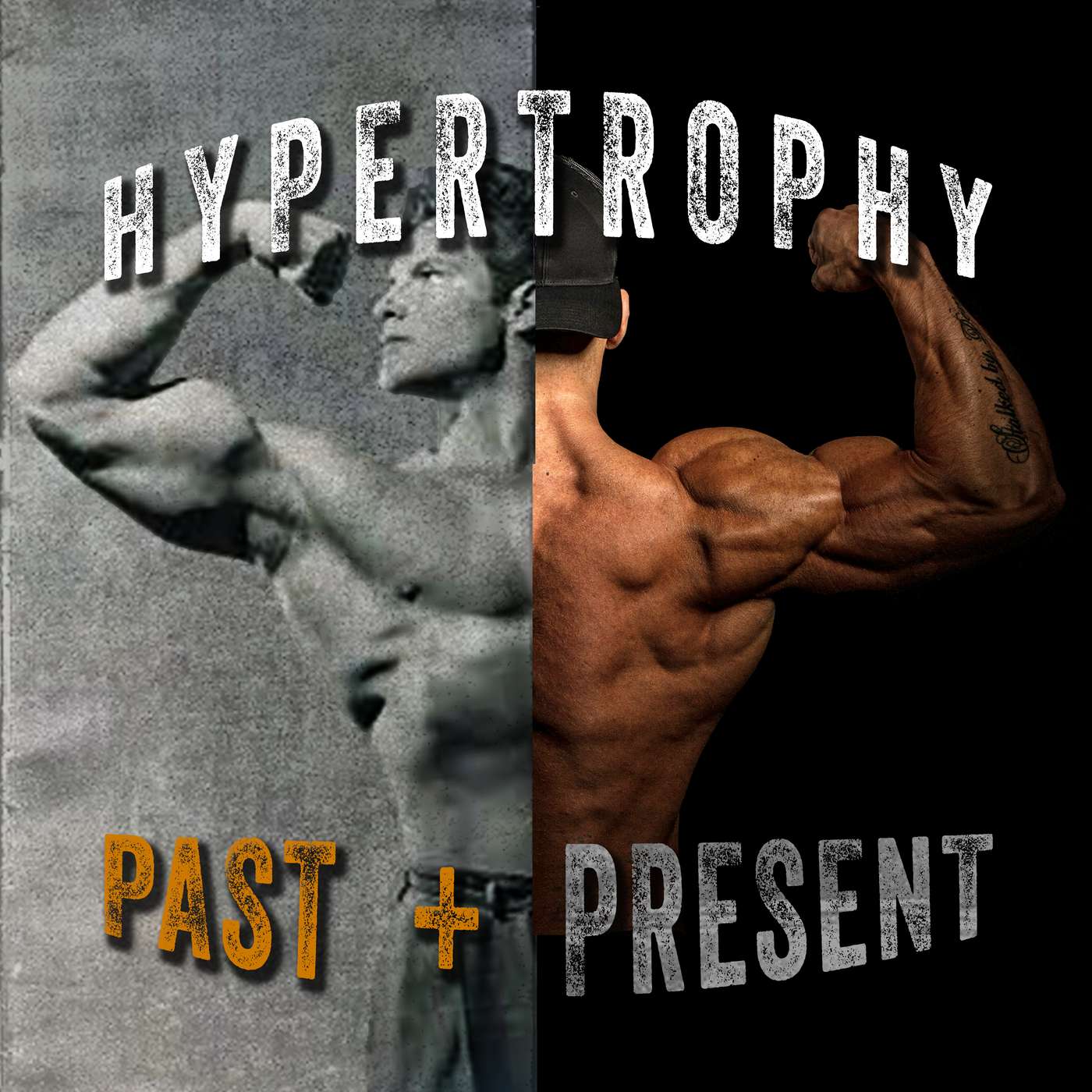
A deep dive into the science of muscle growth. Hosted by Chris Beardsley and Jake Doleschal, this podcast explores hypertrophy training through the lens of pre-steroid era bodybuilding and modern muscle physiology.
Where to listen?
Podcasts in the app Replaio Radio Coming soonPodcasts are coming to the app soon. Install now and be the first to see a whole new take on podcasts
 Install for free
Android 10M+ downloads · 4.7+ rating
iOS soon
Episodes
003 Training splits - what to consider when splitting full body workouts into upper / lower workouts 08.06.2025 57:14
In this episode of Hypertrophy: Past and Present , Jake Doleschal and Chris Beardsley examine Clancy Ross’ 1940s split set routine - an early experiment in dividing upper and lower body training that predated modern training splits. They break down how Ross evolved his training by splitting full-body workouts into AM/PM upper/lower sessions and discuss what this teaches us about fatigue management...
002 How long does the growth stimulus last after a training session? 01.06.2025 1:06:26
In this second episode, Jake Doleschal and Chris Beardsley break down the York Barbell Mr America Course, a program from 1951 that evolved from the earlier Milo Barbell plan. They explore what changed in the decades following the first mass-produced bodybuilding programs, including the introduction of sets, improved exercise selection, and targeted variations. They then connect these historical sh...
001 Training frequency - why the diminishing returns of volume makes higher frequencies better 25.05.2025 49:57
In this debut episode, Jake Doleschal and Chris Beardsley dissect the very first mass-produced bodybuilding program: the Milo Barbell Course. They explore how early bodybuilders trained before steroids existed and what their exercise choices reveal about muscle understanding. They then connect these historical methods to modern muscle physiology, focusing on the stimulating reps model and the crit...
Similar podcasts








Listen to the Hypertrophy Past and Present podcast in Replaio
Radio and podcasts in one app - free, with no sign-up. Install today and do not miss the launch
Replaio is not a podcast publisher; show names, artwork and audio belong to their authors and are distributed through public RSS feeds.