Pablo Bernabeu
Codex Mentis: Science and tech to study cognition
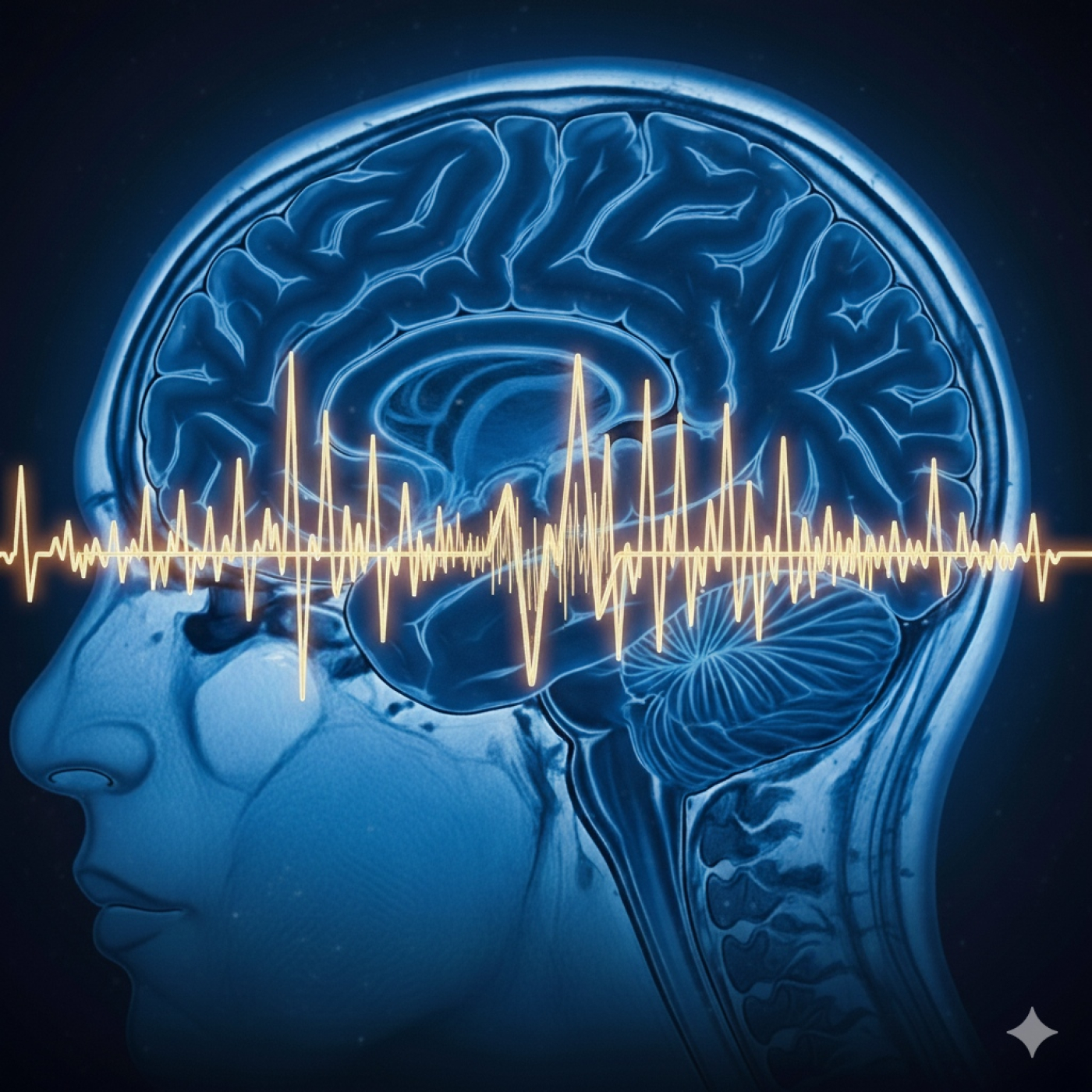
Codex Mentis, produced by Dr Pablo Bernabeu, offers an exploration into cognitive science and its technologies with the assistance of advanced artificial intelligence. This podcast delves deep into how we think, perceive and interact with the world, dissecting both the profound mysteries of the human mind and the cutting-edge science and technology that illuminate its inner workings. Each episode presents a fascinating journey through diverse aspects of cognition. Beyond the theoretical, Codex Mentis demystifies the methodologies driving cognitive research. Contact: pcbernabeu@gmail.com
Be sure to visit the podcast's website and support the creator: www.ivoox.com
Where to listen?
Podcasts in the app Replaio Radio Coming soonPodcasts are coming to the app soon. Install now and be the first to see a whole new take on podcasts
 Install for free
Android almost 10M downloads · 4.8 rating
iOS soon
Install for free
Android almost 10M downloads · 4.8 rating
iOS soon
Episodes
Unlock the Lab: Your guide to reading science like a scientist 27.03.2026 38:20
Created using NotebookLM, with all the benefits and blind spots of human editing. In this episode of Codex Mentis, we explore the underlying machinery of scientific truth to understand how research reaches the public and why a healthy dose of scepticism is vital for its evaluation. The conversation begins with an overview of Dr Pablo Bernabeu’s interactive web application which uses a unique peer-...
Modality switch effects: The brain friction of switching senses 13.02.2026 30:10
Created using NotebookLM, with all the benefits and blind spots of human editing. This episode explores whether the human mind functions as an abstract symbol processor or a physical simulator deeply rooted in bodily experience. We delve into the 'modality switch effect', a phenomenon where shifting from one sensory modality to another, such as from sound to sight, incurs a measurable cognitive pe...
The dead salmon problem: Multiple tests, minimality and data-driven alternatives 31.01.2026 41:04
Created using NotebookLM, with all the benefits and blind spots of human editing. In 2009, a deceased Atlantic salmon was placed inside a functional magnetic resonance imaging scanner to test its calibration parameters. Although the subject was undeniably dead, the standard statistical software produced results suggesting the fish was actively contemplating human emotions. This bizarre outcome hig...
The digital parrot or the universal machine? Debating the mind in the model 15.01.2026 36:57
Created using NotebookLM, with all the benefits and blind spots of human editing. Can a machine that writes Shakespearean sonnets about traffic jams actually help us understand the human soul? In this episode of Codex Mentis, we dive into a 'potential bomb' thrown into the heart of cognitive science: the rise of Large Language Models (LLMs) and their challenge to how we think humans learn to speak...
Beyond the cloud: Reclaiming data sovereignty in speech transcription 05.01.2026 32:18
Created using NotebookLM, with all the benefits and blind spots of human editing. In this episode of Codex Mentis, we explore the critical intersection of generative AI and research methodology, focusing on a production-ready, open-source workflow for secure speech transcription developed by Dr Pablo Bernabeu. While OpenAI’s Whisper models have set a new gold standard for speech-to-text accuracy,...
The modular mini-grammar: Building testable and reproducible artificial languages using FAIR principles 12.11.2025 35:48
Created using NotebookLM, with all the benefits and blind spots of human editing. In the high-stakes world of scientific inquiry, methods and findings are inextricable. Yet, issues of reproducibility remain a challenge, especially in experimental linguistics and cognitive science. As the old adage goes, "To err is human", but when creating research materials, adhering to best practices can signifi...
Third language learning and morphosyntactic transfer 23.10.2025 31:40
Created using NotebookLM, with all the benefits and blind spots of human editing. In this episode of Codex Mentis, we unpack why learning a third language is not simply ‘second language learning, but easier’. Third Language Acquisition (L3) forces the brain to juggle two existing linguistic systems, creating a ‘two-blueprint’ problem where prior knowledge can help or hinder in unexpected ways. We...
Behind the curtains: Methods used to investigate conceptual processing 08.09.2025 39:56
Created using NotebookLM, with all the benefits and blind spots of human editing. How do scientists measure a thought? While the great philosophical questions about the nature of meaning have been debated for centuries, the last few decades have seen the development of a sophisticated scientific toolkit designed to turn these abstract queries into concrete, measurable data. In this episode of Code...
The architecture of meaning: Inside the words we use 31.08.2025 38:25
Created using NotebookLM, with all the benefits and blind spots of human editing. What happens in your brain when you understand a simple word? It seems instantaneous, but this seemingly simple act is at the heart of one of the deepest mysteries of the human mind and has sparked one of the longest-running debates in cognitive science. In this AI-enhanced episode of Codex Mentis, we journey deep in...
Similar podcasts







Listen to the Codex Mentis: Science and tech to study cognition podcast in Replaio
Radio and podcasts in one app - free, with no sign-up. Install today and do not miss the launch
Replaio is not a podcast publisher; show names, artwork and audio belong to their authors and are distributed through public RSS feeds.