Heather Shell
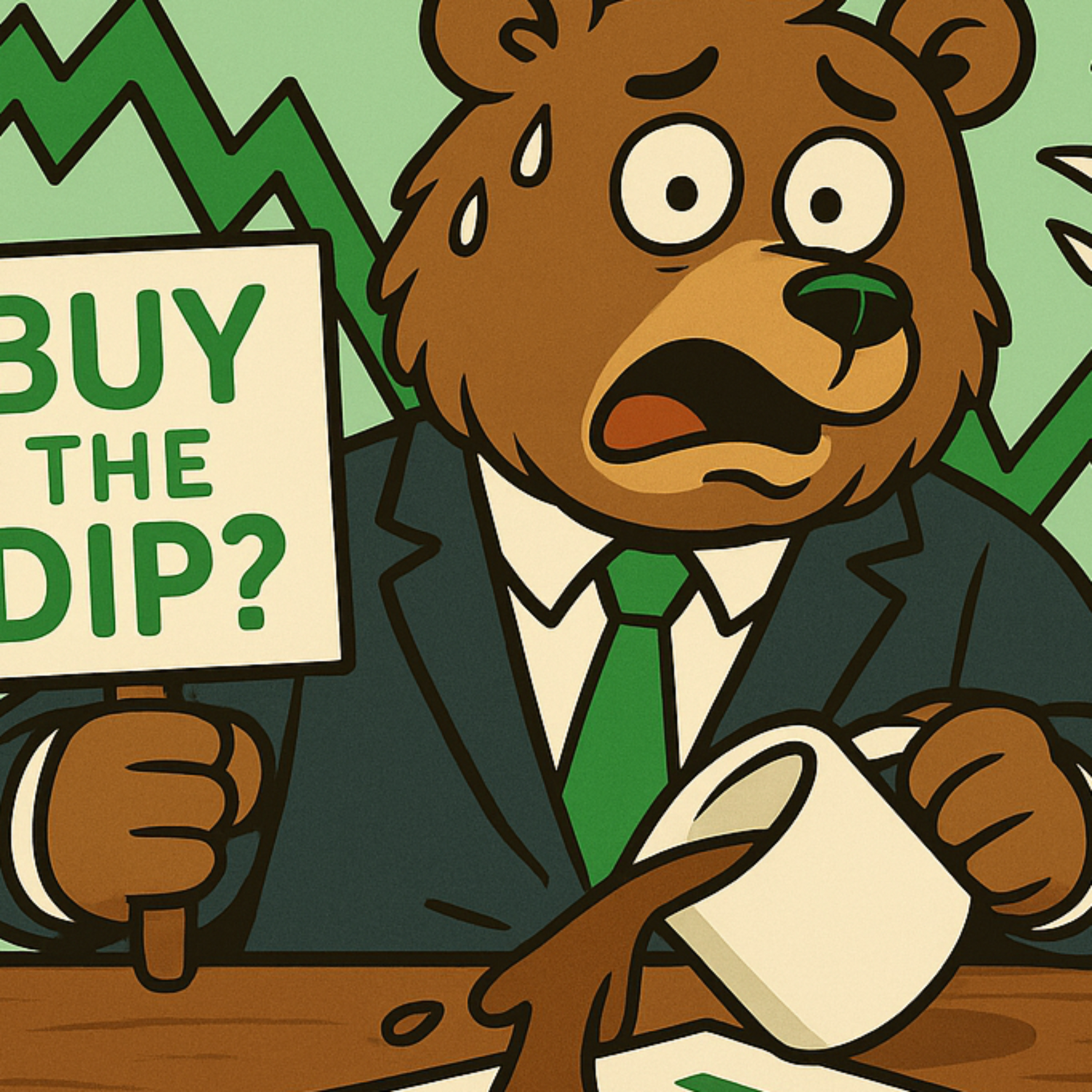
Bear Markets & Bad Decisions
Bear Markets & Bad Decisions is a smart, story-driven economics podcast about bubbles, incentives, and the moments in history where humans absolutely should have known better — but didn’t. Hosted by Heather Shell, each episode breaks down real economic events with wit, context, and zero MBA required.
Author
Heather Shell
Category
Podcast website
Latest episode
Jun 8, 2026
Where to listen?
Podcasts in the app Replaio Radio Coming soonPodcasts are coming to the app soon. Install now and be the first to see a whole new take on podcasts
 Install for free
Android 5M+ downloads · 4.8 rating
iOS soon
Install for free
Android 5M+ downloads · 4.8 rating
iOS soon
Episodes
The Richest Men In America Drowned A Town — And Called It An Act of God 08.06.2026 17:16
In 1889, a dam broke and killed over 2,200 people. The men who owned the dam were some of the wealthiest in American history. They had been warned. They had been asked to fix it. They chose not to — because fixing it would have cost money, and the consequences of failure would fall on someone else. This is the story of the Johnstown Flood — and the legal defense that followed. A defense that didn&...
They Knew It Was Making Workers Sick: The Radium Girls 01.06.2026 16:48
In the 1920s, young women were hired to paint glow-in-the-dark watch dials with radium. They were told it was safe. They were told to lick their brushes to a fine point. They were told radium would put roses in their cheeks. The companies knew the truth. The Radium Girls is the story of corporate negligence, information asymmetry, and a system that protected profits over people — a pattern that re...
They’re Betting On Outcomes They Control 25.05.2026 14:03
Prediction markets like Polymarket and Kalshi are exploding in popularity—but how do they actually work, and can they really predict the future? In this episode of Bear Markets & Bad Decisions , we break down how prediction markets turn real-world events into tradable contracts—and why the biggest risk isn’t whether people are right… but who is placing the bets. From early speculation in Lond...
Jack The Ripper: The Real Villain Is Still Out There 18.05.2026 15:18
Jack the Ripper is one of the most infamous serial killers in history—but this story isn’t about who he was. It’s about why he was able to operate in the first place. In 1888, the streets of Whitechapel were filled with poverty, overcrowding, and women forced into sex work just to survive. In this environment, patterns formed—predictable routines, concentrated risk, and a system that made certain...
They Blame AI. They Blamed The Internet Too. 11.05.2026 14:29
AI layoffs are dominating headlines—but this isn’t the first time companies have blamed technology for job losses. In the late 1990s, during the dot-com boom, businesses made the same argument about the internet. In this episode of Bear Markets & Bad Decisions , we break down what really led to those layoffs—and why it wasn’t just the technology. From speculative hiring and investor pressure...
When A System Rewards Bad Behavior 04.05.2026 16:14
What happens when a system rewards bad behavior? Enron didn’t collapse overnight. It built itself into failure—one deal at a time. In the 1990s, Enron transformed from a traditional energy company into a financial powerhouse, trading energy contracts and reporting explosive growth. But behind the numbers was a system driven by incentives—where success was rewarded, risk was hidden, and reality was...
When A Leader Never Hears No (The Romanovs) 27.04.2026 18:00
What happens when a leader stops hearing the truth? In the early 1900s, Tsar Nicholas II ruled Russia with absolute authority. But as war, food shortages, and economic strain spread across the country, something else was happening beneath the surface—information was being filtered, problems were being softened, and reality was no longer reaching the top. In this episode of Bear Markets & Bad...
The Plague That Gave Workers Power For The First Time 20.04.2026 14:45
What happens when half the population disappears? The Black Death wasn’t just a tragedy—it was a turning point. Between 1347 and 1353, Europe lost up to 50% of its people. And when that happened, something unexpected followed: workers gained power. In this episode of Bear Markets & Bad Decisions , we break down the economic impact of the Black Death—how labor shortages led to rising wages, wh...
Titanic: The Ship Designed to Decide Who Lives 13.04.2026 18:43
What really happened on the Titanic—and why did so many poor passengers never make it off the ship? This episode of Bear Markets & Bad Decisions goes beyond the iceberg to uncover the economic system that shaped who lived and who didn’t. Through immersive storytelling, we follow the experience of third-class passengers trapped below deck as the Titanic begins to flood—while above them, a very...
Why College Got So Expensive 09.04.2026 6:32
Why did college tuition skyrocket—and how did student loans create today’s student debt crisis? This video breaks down the economics behind rising tuition, federal student loan policy, and why college has become so expensive in the United States. We explain how student loans expanded access to education, how policy changes made debt harder to escape, and why tuition kept rising as borrowing became...
Why A Housing Crash Won’t Help You 06.04.2026 14:26
Why are corporations buying homes—and why won’t a housing crash or lower interest rates fix affordability? This video explains the economics behind rising home prices, institutional investors, and why housing remains unaffordable in the U.S.We break down what happened after the 2008 housing crash, how investors entered the market, and how low interest rates increased competition instead of lowerin...
This Invisible Law Is Making Your Rent Go Up 02.04.2026 11:48
This episode breaks down why housing is so expensive in today’s economy and how zoning laws impact the housing market, rent prices, and housing supply in the United States. If you’ve ever wondered why rent keeps going up or why affordable housing feels out of reach, this is the hidden system behind it. We explore how local zoning laws—especially single-family zoning—limit how much housing can be...
Why Your Job Controls Your Health Insurance 29.03.2026 13:52
Why is health insurance tied to your job in the United States? In this episode of Bear Markets & Bad Decisions , we break down the surprising history of employer-sponsored health insurance—and how a World War II wage freeze, a simple IRS tax decision, and decades of policy turned a temporary workaround into the foundation of the American healthcare system. What started as a loophole to attrac...
Why Gas Prices Spike (And Nobody Knows Why) 26.03.2026 17:27
In 1979, cars lined up around city blocks across America waiting for gasoline. The strange part? The crisis didn’t start in the United States. It started nearly 6,000 miles away in Iran. When the Iranian Revolution disrupted one of the world’s largest oil producers, the effects rippled through the global energy system—triggering fuel shortages, soaring prices, and one of the most important economi...
The Dark Economics Behind Witch Hunts 22.03.2026 16:43
What if witch hunts weren’t really about witches? For centuries, villages across Europe and colonial America accused thousands of people of practicing dark magic. Neighbors turned on neighbors. Courts accepted invisible evidence. Entire communities were consumed by fear. But when historians look closer, a different pattern emerges. Witch hunts often exploded during times of economic stress: failed...
The Gilded Age: When Billionaires Took Everything 19.03.2026 24:13
Step inside the real Gilded Age — not the shiny textbook version, but the one ordinary Americans actually lived through. Tenements packed to the walls, factories running on exhaustion, political machines greased with corporate money, and billionaire tycoons rewriting the rules as they went. In this episode, we pull back the gold leaf to expose the economic engine underneath: the corruption, the mo...
Why You Can’t Afford A House: It Started In The 1980’s 11.03.2026 14:32
The 1980s Savings & Loan Crisis wasn’t just a banking meltdown — it reshaped the entire U.S. housing market, rewired mortgage lending, and helped pave the road to the 2008 financial crisis. In this episode, we break down how grandma’s local mortgage lender turned into a deregulated casino, why taxpayers paid $160 billion to clean it up, and how Millennials and Gen Z are still living with the c...
The Man Who Broke Inflation 03.03.2026 18:18
In the late 1970s, inflation was out of control. Prices rose faster than paychecks, trust in the economy collapsed, and the Federal Reserve had lost its credibility. Then Paul Volcker walked in—6'7", gravel-voiced, and ready to break inflation no matter the cost. This episode explains how inflation spiraled, how the Fed actually works, why Volcker slammed interest rates to 20%, and how hi...
The Tariff That Crashed The World 26.02.2026 17:22
In 1930, Congress tried to “save” the economy with the Smoot–Hawley Tariff Act — and instead helped collapse global trade, wreck American farms, crush manufacturing, and deepen the Great Depression. This episode breaks down how it happened, who it hurt, what it destroyed, and why repeating it today would be an economic disaster all over again.
How the Dollar Took Over the World (And Why It Still Matters) 24.02.2026 16:33
How did one hotel in New Hampshire quietly reshape the entire global economy? In 1944, 44 countries met at Bretton Woods to rebuild a world shattered by war and financial chaos. What they created — a dollar-anchored system — still shapes your mortgage rate, your 401(k), global trade, and America’s place in the world today. In this episode, we break down: • Why the world needed a new financial syst...
How Pirates Invented Insurance (And Corporations Corrupted It) 17.02.2026 23:15
When you think “pirates,” you probably picture chaos, rum, and questionable dental care. But here’s the twist: these outlaws built one of the world’s first social safety nets. In this episode, we dive into how pirate crews accidentally invented the foundations of actuarial science, pooled-risk insurance, disability funds, and survivor benefits —all long before Wall Street existed. And somehow, t...
How the Fall of Rome Actually Happened (And Why It Feels Familiar Today) 12.02.2026 36:04
Rome didn’t fall because of invading armies. It fell because its leaders replaced expertise with loyalty, conspiracy, and vibes — and the entire system quietly rotted from the inside. In this episode, we walk through what collapse actually looks like: rising prices, failing infrastructure, broken institutions, emotional markets, and a middle class that slowly gives up. This isn’t just ancient hi...
The Mississippi Bubble: The Scam That Bankrupted France 10.02.2026 29:00
What do you get when you mix a gambling-addicted economist, a gullible monarchy, and a colony full of alligators, mosquitos, and zero gold? One of the biggest financial disasters in world history. In this episode of Bear Markets & Bad Decisions , we dive into the Mississippi Bubble — the 18th-century economic fever dream that convinced France it had struck literal economic heaven… right bef...
The Danish Strike That Broke the Nazis 03.02.2026 35:25
When a foreign army occupied Denmark in World War II, the Danes didn’t fight back with guns. They fought back with their wallets. In the summer of 1943, everyday citizens — shopkeepers, dockworkers, students, moms, farmers, factory laborers — did the one thing an occupying force couldn’t predict: They shut down the entire economy. No trains. No buses. No factories. No imports. No public services....
When Salt Became Illegal 30.01.2026 25:43
What happens when a government tries to outlaw… salt? Nothing good. This week, we’re traveling back to pre-Revolution France, where the monarchy cooked up one of the strangest and most hated taxes in economic history: the gabelle — a mandatory salt tax so ridiculous it turned everyday people into criminal masterminds, kid smugglers, and full-time loophole engineers. We’ll meet the peasants who r...
Similar podcasts





Listen to the Bear Markets & Bad Decisions podcast in Replaio
Radio and podcasts in one app - free, with no sign-up. Install today and do not miss the launch
Replaio is not a podcast publisher; show names, artwork and audio belong to their authors and are distributed through public RSS feeds.