Selenius Media
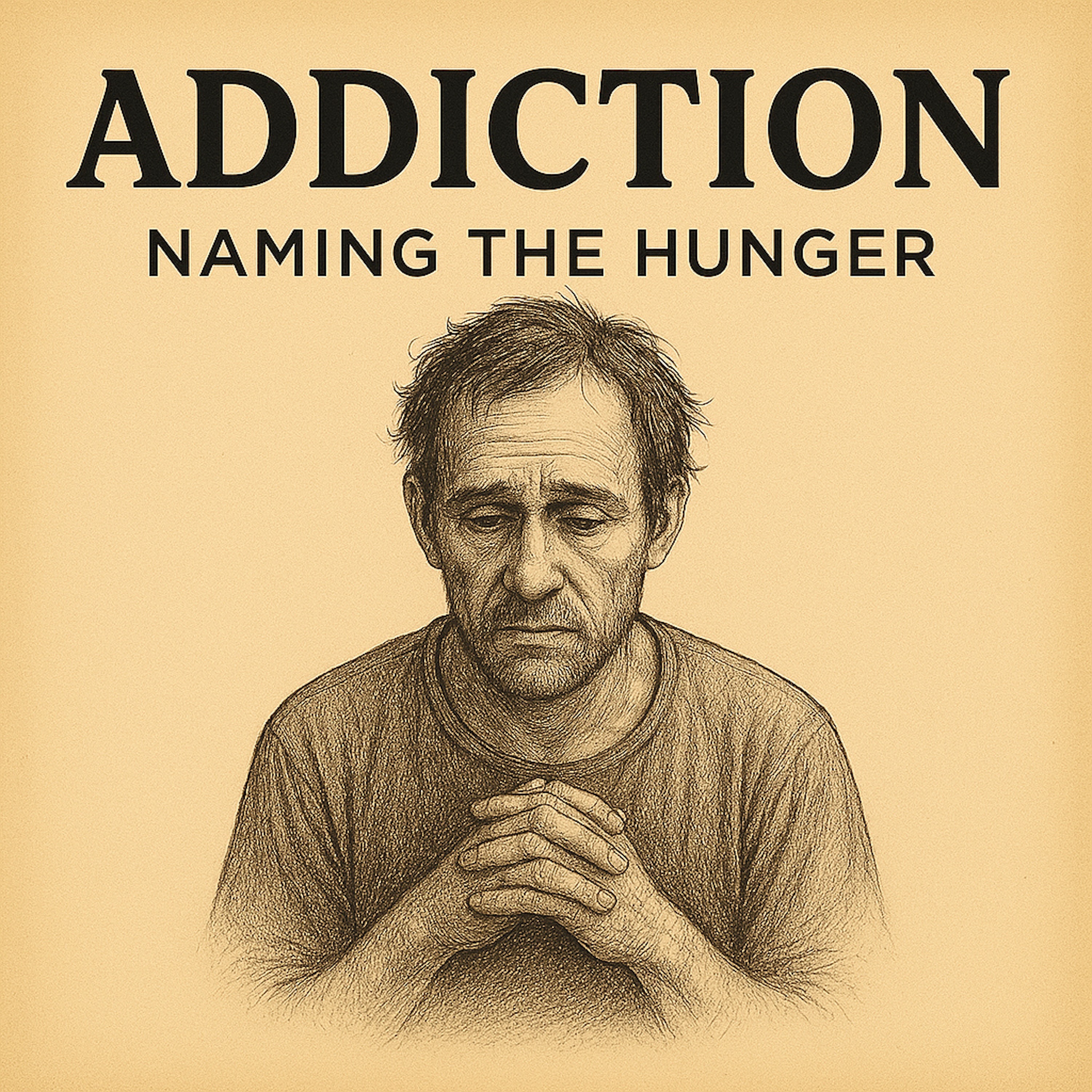
Addiction - Not a Moral Failing
For decades, policy favored punishment over healing. From crack-era laws to “zero tolerance,” governments built enforcement-heavy systems that filled prisons while leaving demand untouched. This episode examines how deterrence failed: supply adapted, markets shifted, and harm multiplied. Meanwhile, treatment and harm reduction proved what punishment could not—reduced death, improved safety, restored lives. We explore the choice societies still face: criminalize people for the substances they use, or design systems that address why use begins and why it persists. The war on drugs was never a wa...
Where to listen?
Podcasts in the app Replaio Radio Coming soonPodcasts are coming to the app soon. Install now and be the first to see a whole new take on podcasts
 Install for free
Android 5M+ downloads · 4.8 rating
iOS soon
Install for free
Android 5M+ downloads · 4.8 rating
iOS soon
Episodes
No Abandonment 16.09.2025 10:56
For more than two thousand years, physicians have known that opium and its derivatives bind tightly—not only to receptors in the human body, but to lives. The knowledge is ancient; the pattern is predictable. Yet in the United States over the past two decades, patients were inducted into dependence by the medical system and, too often, expelled from it when risk and scrutiny rose. The treatment en...
One Step Forward - Three Steps Back 16.09.2025 9:35
For three consecutive years, the United States has recorded more than one hundred thousand overdose deaths. That figure is often repeated as a headline number, but it obscures the churn underneath: periods when prevention and treatment gained traction, when death curves bent downward, followed by reversals driven by policy retreat, fragmented execution, and the steady evolution of a more toxic dru...
A Responsibility Deferred 16.09.2025 12:52
America’s overdose crisis now claims over 100,000 lives every year – a staggering human cost that exceeds the toll of car crashes and gun violence. Each death is a son or daughter, a friend or parent, gone too soon. Yet this devastation is not for lack of medications, knowledge, or funding. We have effective treatments and proven harm reduction tools. What’s missing is the leadership to organize t...
Make The Map- Do The Work. From Pilot To Policy 16.09.2025 30:13
How do we move from pilot projects to permanent systems? We outline the architecture: inventory services, fund what works, publish dashboards that measure outcomes, and tie metrics to budgets. Implementation replaces ideology, and quality improvement cycles sustain momentum. Success is not abstract; it is measured in overdose reversals, 30-day treatment retention, stable housing, and durable emplo...
Paychecks, Not Punishments - The Shift That Saves Lives 16.09.2025 26:01
Recovery requires structure, and nothing provides it like a paycheck. Employment is not an afterthought but a treatment in itself: steady schedules, supportive supervisors, and income that stabilizes housing and health. This episode explores partnerships between clinics and employers, union apprenticeships that offer safe entry points, and return-to-work protocols that integrate with medical care....
From Cuffs To Clinic 16.09.2025 22:33
The justice system is often the first system to meet addiction—but rarely the one designed to help. Patrol, booking, court, jail, reentry: at every stage, a choice exists. This episode shows how diversion programs, deflection at the point of arrest, and clinical handoffs at reentry can save lives. Continuity of medication behind bars prevents relapse and reduces death on release. When justice syst...
Seed And Collapse 16.09.2025 28:49
Stimulant use disorder is widespread, but unlike opioids, it lacks a simple antidote. Meth and cocaine create different risks, but both heighten psychosis and destabilize lives. This episode dives into the evidence: contingency management—direct financial reinforcement for behavior change—stands as the most effective tool we have. It is controversial, but results are undeniable. Paychecks for prog...
Adolescence At Risk 16.09.2025 30:02
Adolescence is a crucible: developing brains, fragile routines, volatile social norms. Risk is highest here, and prevention matters most. But effective prevention looks nothing like scare films or slogans. It looks mundane—delaying first use, stabilizing schools, strengthening families, and ensuring pro-social milestones like graduation or work. Rapid intervention when trouble appears makes the di...
Why This Person, Why This Drug? 16.09.2025 32:35
Exposure to intoxicants is nearly universal, but trajectories diverge. Why does one person spiral while another walks away? We explore how co-occurring mental illness, trauma history, housing instability, and work conditions make certain substances “fit” particular lives. Addiction, then, is not about the drug alone but about the match between need and chemical. Treatment reframes goals: improve s...
Pathways That Work 16.09.2025 33:21
Crisis care too often ends with a discharge slip. We reimagine the pathway: emergency departments initiating buprenorphine with next-day follow-up, methadone programs eliminating waitlists, overdose survivors linked to care before leaving the hospital. Transitional supports—housing vouchers, transport, peer guides—become as critical as prescriptions. This episode demonstrates that effective system...
Recovery is a System 16.09.2025 24:46
People don’t recover in programs—they recover in systems. This episode blueprint a recovery ecosystem: same-day access to medications, peer navigators who bridge trust, housing that stabilizes routines, and employment pipelines that turn survival into structure. Recovery housing, low-friction benefits, and pro-social belonging transform chaos into habit. When services are fragmented, people churn...
The Synthetic Era 16.09.2025 24:45
Illicit fentanyl has transformed the landscape of risk. Its extreme potency, counterfeit formulations, and volatile supply chain turn dependence into a gamble where every dose could be the last. We map how fentanyl spread from labs to street corners, why counterfeit pills exploded across North America, and how the odds shift when naloxone, test strips, and same-day medications are available. But a...
The Pain Revolution 16.09.2025 23:37
In the 1990s and 2000s, a campaign to correct undertreated pain changed medicine. Clinicians were told pain was the “fifth vital sign,” metrics demanded its eradication, and powerful analgesics were promoted as low risk. The result: expanded access without safeguards, dose escalation without structure, diversion without oversight. What began as relief became dependence, poisoning, and death. This...
Punish or Heal 16.09.2025 25:35
For decades, policy favored punishment over healing. From crack-era laws to “zero tolerance,” governments built enforcement-heavy systems that filled prisons while leaving demand untouched. This episode examines how deterrence failed: supply adapted, markets shifted, and harm multiplied. Meanwhile, treatment and harm reduction proved what punishment could not—reduced death, improved safety, restor...
The Void and the Brain 16.09.2025 26:50
Addiction is not a mystery of weak character; it is the brain responding to absence. Trauma, neglect, and unmet needs carve out voids—of safety, attachment, or meaning—into which substances fit perfectly. We map the circuitry: reward systems, learning loops, and stress responses that cement behavior into compulsion. Trauma changes prediction, making relief the brain’s highest priority. Recovery be...
Temperance: The First Culture War 16.09.2025 7:53
In the early 1900s, temperance promised to rescue society from the bottle’s grip. Instead, it sparked America’s first culture war, a battle waged in pulpits, parliaments, and saloons. We follow how good intentions met incentives: bans gave rise to black markets, moral campaigns birthed organized crime, and laws meant to heal communities often punished them. Prohibition’s collapse revealed more tha...
From Sacrament to Commodity 16.09.2025 15:31
Ritual gave way to marketplace. In ancient times, intoxicants carried symbolic and spiritual meaning—wine poured for gods, hallucinogens shared by shamans, sacred plants used to bridge the human and divine. Over centuries these same sacraments became commodities: measured, taxed, traded, and exploited by powers that saw not holiness but revenue. We explore the transformation of the sacred into the...
Naming the Hunger 16.09.2025 17:54
Addiction is older than morality. Long before psychiatrists and courts defined it, people sought solace and transcendence in plants, potions, and fermented drinks. This episode challenges the myth that addiction reflects weakness or lack of willpower. Instead, it shows how communities across cultures understood intoxication as part of life—sometimes sacred, sometimes destructive. We trace how mode...
Similar podcasts






Listen to the Addiction - Not a Moral Failing podcast in Replaio
Radio and podcasts in one app - free, with no sign-up. Install today and do not miss the launch
Replaio is not a podcast publisher; show names, artwork and audio belong to their authors and are distributed through public RSS feeds.