Baptist World Aid Australia
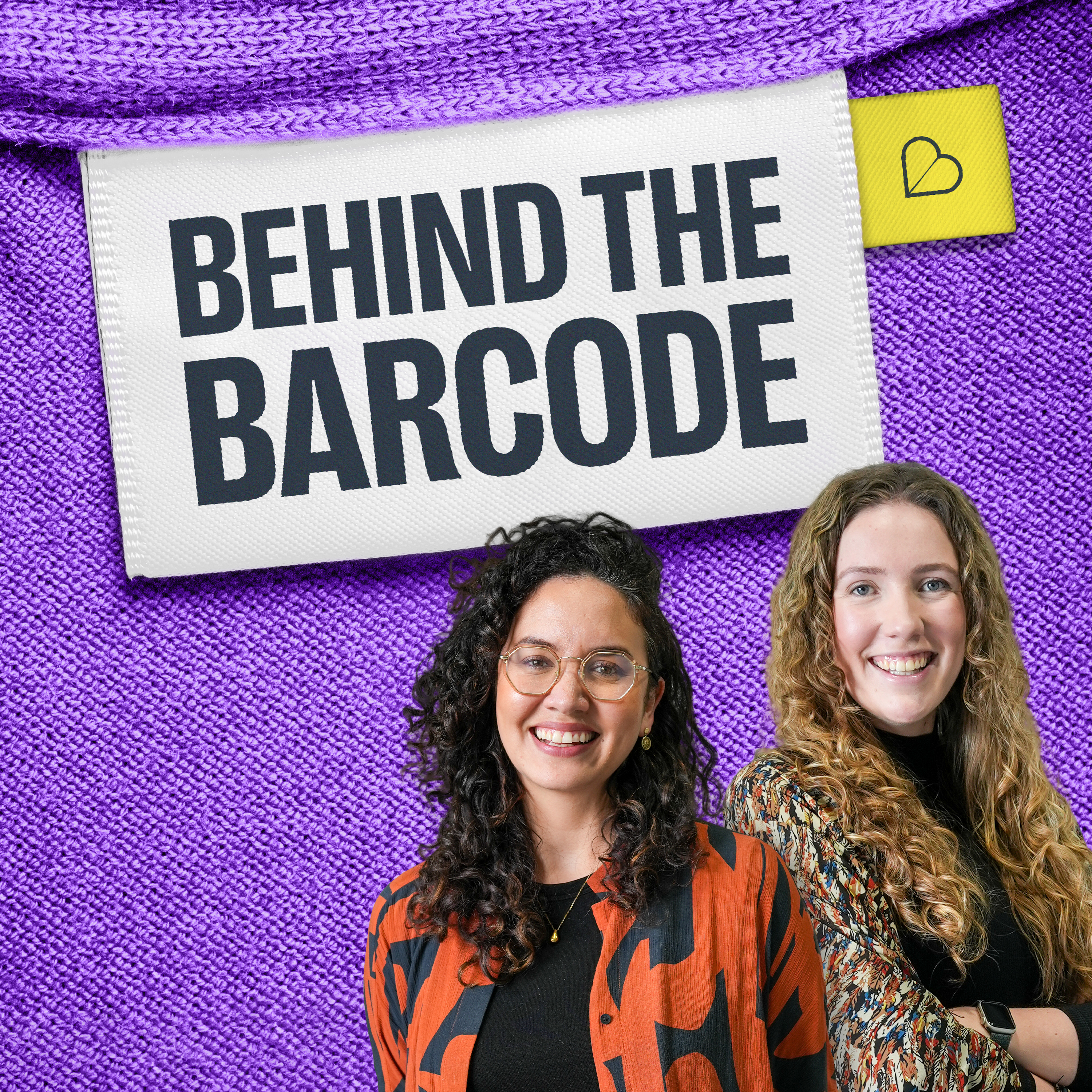
Behind The Barcode
Our fashion industry is reshaping how we wear, buy and value clothes. We’re making items cheaper, faster, and at greater volume—but this comes at great cost. Join hosts, Kat and Hannah, as they unpack the rise of ultra-fast fashion—revealing its hidden costs to people and the planet, and how we can help drive change. Learn with us and be equipped to create change in our wardrobes and our world. 👕🌏
Auteur
Baptist World Aid Australia
Catégorie
Site du podcast
Dernier épisode
22 oct. 2025
Où écouter ?
Les podcasts dans l'appli Replaio Radio Bientôt disponibleLes podcasts arrivent très bientôt dans l'appli. Installe-la dès maintenant et découvre en avant-première une toute nouvelle façon de vivre les podcasts
 Installe-la gratuitement
Android 5 M+ de téléchargements · note de 4,8
iOS bientôt
Installe-la gratuitement
Android 5 M+ de téléchargements · note de 4,8
iOS bientôt
Épisodes
6. So, Fashion Is Broken: How Do We Fix It? 22.10.2025 36:54
We know Ultra-Fast Fashion harms people and the planet. So, what can we do about it? We explore practical tips and lessons learned, and invite our expert interviewees back to hear what gives them hope for the future of fashion industry. 🎙️Expert Guest: Julie Boulton, Sustainability Strategist & Systems Disruptor + All Experts from the series. 📌 Resources & Links: Hear more from Julie via...
5. Add(icted) To Cart: The Psychological Tricks That Are Keeping Us Hooked 22.10.2025 39:53
Why can’t we stop scrolling, adding to cart, and chasing deals we don’t need? From Temu’s casino-like app design to the insecurities fuelled by social media, we explore how ultra-fast fashion hijacks our brains, and why resisting the pull is harder than it seems. 🎙️Expert Guest: Ashley Fell, Director of Advisory at McCrindle 📌 Resources & Links: McCrindle infographic: https://mccrindle.com.au...
4. The Devil Wears Polyester: The Climate Crisis in your wardrobe 22.10.2025 41:57
Fashion is more than fabric. It involves fossil fuels, waste, and carbon emissions. We unpack how ultra-fast fashion drives climate change, microplastic pollution, and global textile waste, and what a truly circular alternative could look like. 🎙️Expert Guest: Ainsley Simpson, CEO of Seamless Australia 📌 Resources & Links: Seamless: https://www.seamlessaustralia.com/ Guppy Friend Microplastic...
3. The (Human) Cost Per Wear: Who Pays For Cheap Fashion? 12.10.2025 39:44
Behind every $5 top is a worker—often underpaid, overworked, and without rights. We dig into the human impact of ultra-fast fashion, including unsafe factories to exploitative wages, and ask what it takes to make clothes that value those who produce them. 🎙️Expert Guest: Fuzz Kitto, Co-Director of Be Slavery Free 📌 Resources & Links: Link to Fashion Reimagined trailer: https://www.fashionreim...
2. From Tailoring to Temu: The Making of Modern Fashion 12.10.2025 39:26
How did we go from the craftsmanship of tailoring to businesses like Temu churning out billions of copycat garments a year? We trace the history of fashion’s business model—from craft to industrialisation, fast fashion, and the current ultra-fast race to the bottom. 🎙️Expert Guest: Dr Alice Payne, Dean of RMIT’s Fashion & Textile School 📌 Resources & Links: Ethical Fashion Guide: How do y...
1. Ultra-Fast Fashion 101: What You Need to Know 12.10.2025 28:14
Ultra-fast fashion is cheap, addictive, and everywhere—but it comes at a cost. In this series, we pull back the curtain on the true impact of fashion’s speed-up, and explore what it means for people, planet, and our own wardrobes. 🎙️Expert Guest: Dr Alice Payne, Dean of RMIT’s Fashion & Textile School 📌 Resources & Links: Ethical Fashion Guide: How do your favourite brands compare? https:...
Welcome to Behind The Barcode 07.10.2025 0:46
Welcome to Behind The Barcode
Podcasts similaires








Écoute le podcast Behind The Barcode sur Replaio
La radio et les podcasts dans une seule appli - gratuite, sans inscription. Installe-la dès aujourd'hui et ne rate pas le lancement
Replaio n'est pas éditeur de podcasts ; les noms des émissions, les visuels et l'audio appartiennent à leurs auteurs et sont diffusés via des flux RSS publics