Lina
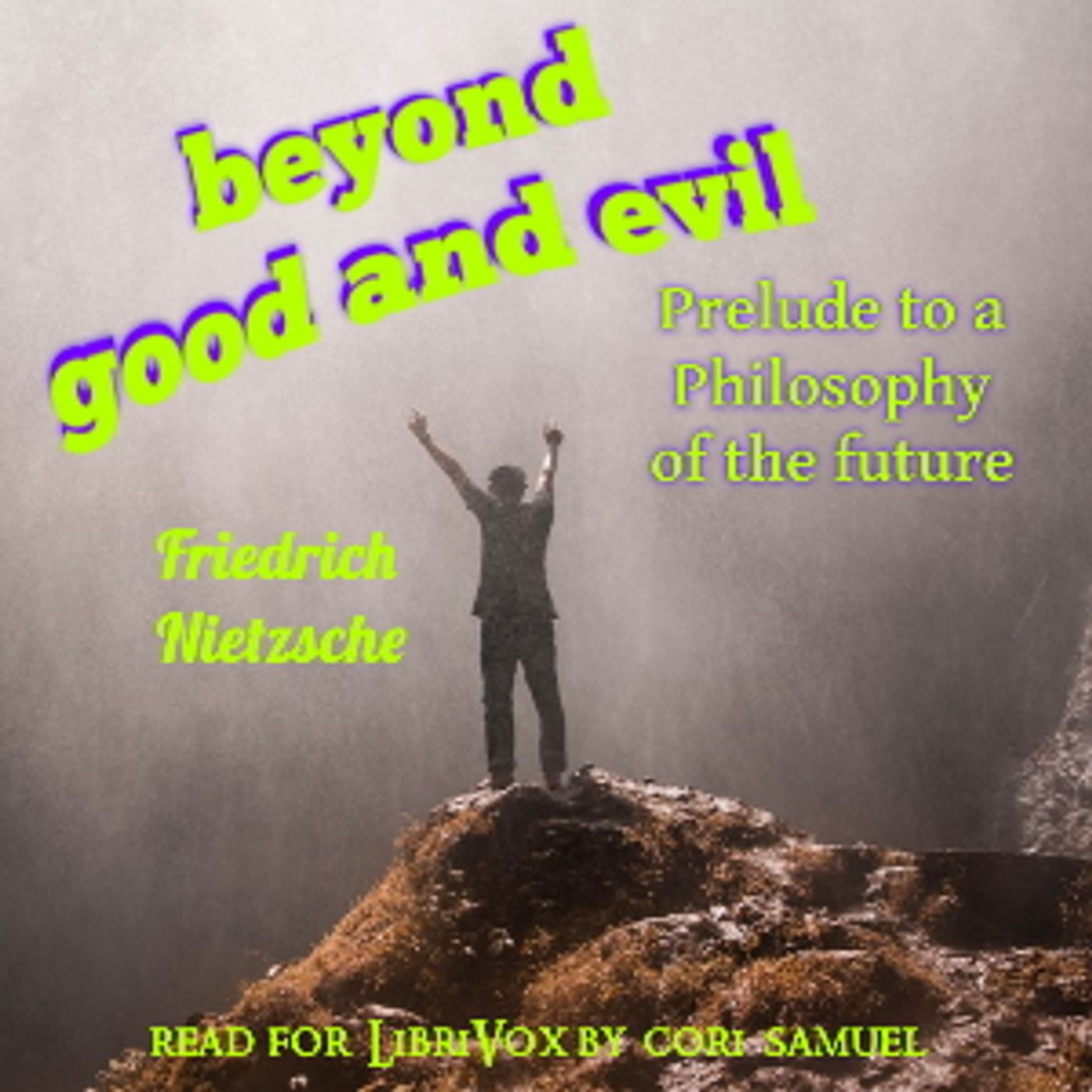
Beyond Good and Evil: Prelude to a Philosophy of the Future (Version 2) by Friedrich Nietzsche
By turns illuminating, infuriating, bewildering, and amusing, Nietzsche's masterwork covers a lot of ground. He rejects most strands of Western thought, especially on the subject of morality, and develops his own theme demanding that individuals embrace their own 'will to power' to give life intention and direction. First published in German in 1887, this translation was produced in 1907 by Helen Zimmern, a long-standing acquaintance of Nietzsche. There is an accessible text at http://www.gutenberg.org/ebooks/4363 but it leaves out all words in Greek, and is not in alignment with any printed e...
Besuch unbedingt die Website des Podcasts und unterstütze die Macher: www.spreaker.com
Wo hören?
Podcasts in der App Replaio Radio Bald verfügbarPodcasts kommen bald in die App. Installiere sie jetzt und erlebe als Erster einen ganz neuen Blick auf Podcasts
 Kostenlos installieren
Android fast 10 Mio. Downloads · Bewertung 4,8
iOS bald
Kostenlos installieren
Android fast 10 Mio. Downloads · Bewertung 4,8
iOS bald
Folgen
Ähnliche Podcasts







Höre den Podcast Beyond Good and Evil: Prelude to a Philosophy of the Future (Version 2) by Friedrich Nietzsche in Replaio
Radio und Podcasts in einer App - kostenlos und ohne Anmeldung. Installiere sie noch heute und verpasse den Start nicht
Replaio ist kein Herausgeber von Podcasts; die Namen der Sendungen, Cover und Audioinhalte gehören ihren Autoren und werden über öffentliche RSS-Feeds verbreitet