District Podcasts
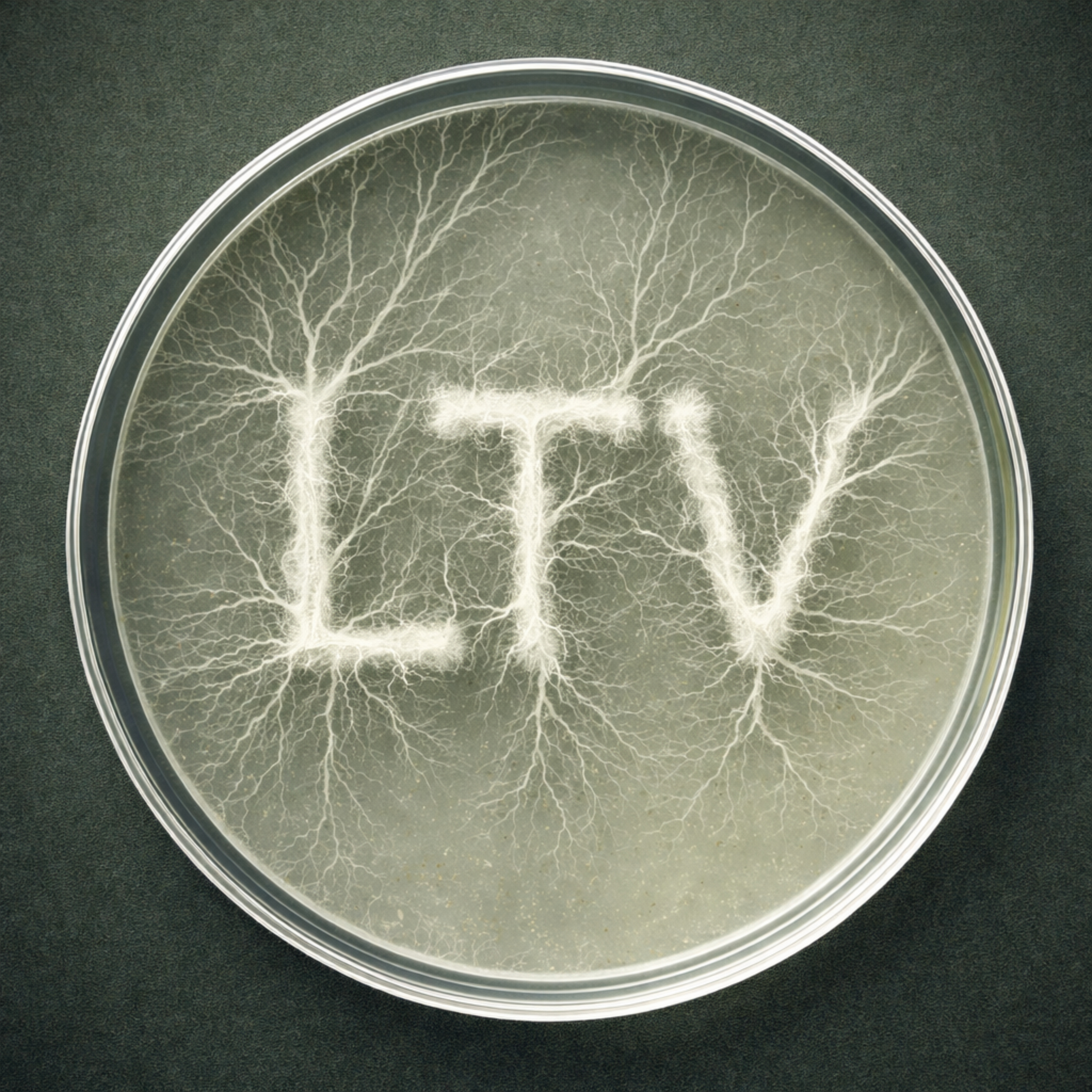
Lichen The Vibe
Lichen the Vibe is the mycology podcast that makes fungi fun and fascinating. We dive into mushrooms, lichens, and mycelium—covering mushroom identification, safe foraging, home cultivation, fungal ecology, ethnomycology, and lichen symbioses. From psychedelic and medicinal mushrooms to gourmet edibles and decomposer heroes, get expert insights, captivating stories, and chill vibes for beginners and seasoned mycophiles. Your go-to mushroom podcast for science, culture, and wonder. Subscribe and lichen the vibe! 🍄#mycology #mushrooms #fungi #lichen #mushroomhunting
Be sure to visit the podcast's website and support the creator: podcasters.spotify.com
Author
District Podcasts
Category
Podcast website
Latest episode
Oct 8, 2026
Where to listen?
Podcasts in the app Replaio Radio Coming soonPodcasts are coming to the app soon. Install now and be the first to see a whole new take on podcasts
 Install for free
Android almost 10M downloads · 4.8 rating
iOS soon
Install for free
Android almost 10M downloads · 4.8 rating
iOS soon
Episodes
Mycena metata | Frost Bonnet, Massive Genome, Fluorescent Chemistry and Plant Symbiosis 29.04.2026 39:33
Mycena metata , known as the Frost Bonnet , is a highly complex fungal species that challenges traditional definitions of saprotrophic fungi by displaying extreme genome expansion, chemical defense systems, and multi-layered ecological roles spanning decomposition, plant symbiosis, and symbiotic orchid development. In this deep scientific breakdown, we explore how Mycena metata possesses one of th...
Spore Sized: Mycena laevigata Science, Genome and Hidden Glow 29.04.2026 5:17
Mycena laevigata , known as the Smooth Mycena , is a delicate white fungus that hides one of the most ecologically sensitive and evolutionarily complex lifestyles in the fungal kingdom. Far from being a simple decomposer, it is a strict indicator of untouched old-growth forests and a key participant in long-term ecosystem stability. In this deep scientific exploration, we uncover how Mycena laevig...
Mycena laevigata: The Smooth Mycena, Ancient Forest Sentinel and Cryptic Species Evolution 29.04.2026 40:10
Mycena laevigata , known as the Smooth Mycena , is a delicate white fungus that hides one of the most ecologically sensitive and evolutionarily complex lifestyles in the fungal kingdom. Far from being a simple decomposer, it is a strict indicator of untouched old-growth forests and a key participant in long-term ecosystem stability. In this deep scientific exploration, we uncover how Mycena laevig...
Spore Sized: Mycena galopus var. leucogala | Latex Defense, Fire Survival & Fungal Warfare 29.04.2026 5:18
Mycena galopus var. leucogala , known as the Dark Milking Bonnet , is a highly specialized fungal variant that reveals an extraordinary combination of chemical defense systems, environmental adaptation, and hidden genetic potential. Despite its delicate appearance, it operates as a chemically armed organism engineered for survival in extreme ecological conditions. In this deep scientific explorati...
Dark Milking Bonnet: Wound-Activated Fungal Chemicals, Bioluminescent and Fire Ecology 29.04.2026 53:37
Mycena galopus var. leucogala , known as the Dark Milking Bonnet , is a highly specialized fungal variant that reveals an extraordinary combination of chemical defense systems, environmental adaptation, and hidden genetic potential. Despite its delicate appearance, it operates as a chemically armed organism engineered for survival in extreme ecological conditions. In this deep scientific explorati...
Spore Sized: Mycena galericulata | Genomic Giant, Root Invasion & Fungal Parasitism 29.04.2026 6:25
Mycena galericulata , known as the Common Bonnet , is far more than a simple wood-decaying mushroom. Beneath its widespread presence lies a complex organism with an unusually large genome, hidden ecological behaviors, and evolutionary traits that challenge long-held assumptions about fungal life strategies. In this deep scientific breakdown, we explore how Mycena galericulata demonstrates extreme...
Mycena galericulata Explained: The Common Bonnet’s Secret Genome 29.04.2026 46:56
Mycena galericulata , known as the Common Bonnet , is far more than a simple wood-decaying mushroom. Beneath its widespread presence lies a complex organism with an unusually large genome, hidden ecological behaviors, and evolutionary traits that challenge long-held assumptions about fungal life strategies. In this deep scientific breakdown, we explore how Mycena galericulata demonstrates extreme...
Spore Sized: Yellowleg Bonnet | Bioluminescent Fungi, Massive Genome and Enzyme Power 29.04.2026 5:11
Mycena epipterygia , commonly known as the Yellowleg Bonnet , is a deceptively delicate fungus that hides one of the most extreme biological systems ever discovered in the fungal kingdom. Beneath its small, fragile appearance lies a genome that can exceed hundreds of millions of base pairs, advanced biochemical defense systems, and one of the most efficient natural decomposition engines known in n...
Mycena epipterygia: The Glowing Super-Fungus, Genetic Expansion & Plastic-Degrading Enzymes 29.04.2026 1:00:01
Mycena epipterygia , commonly known as the Yellowleg Bonnet , is a deceptively delicate fungus that hides one of the most extreme biological systems ever discovered in the fungal kingdom. Beneath its small, fragile appearance lies a genome that can exceed hundreds of millions of base pairs, advanced biochemical defense systems, and one of the most efficient natural decomposition engines known in n...
Spore Sized: Ravenel’s Red Stinkhorn, Explosive Growth & Chemical Insect Traps 29.04.2026 5:09
Mutinus ravenelii , known as Ravenel’s Red Stinkhorn , is one of the most unusual fungi on Earth, combining explosive hydraulic growth, highly evolved chemical insect manipulation, and an unexpected global invasion strategy that has allowed it to spread far beyond its native range. In this deep biological exploration, we uncover how this fungus transforms from a subterranean egg into a rapidly exp...
Mutinus ravenelii Explained: The Fastest Growing Fungus, Victorian Naming Humor and Invasive Expansion 29.04.2026 47:48
Mutinus ravenelii , known as Ravenel’s Red Stinkhorn , is one of the most unusual fungi on Earth, combining explosive hydraulic growth, highly evolved chemical insect manipulation, and an unexpected global invasion strategy that has allowed it to spread far beyond its native range. In this deep biological exploration, we uncover how this fungus transforms from a subterranean egg into a rapidly exp...
Spore Sized: The Secret Life of the MOREL MUSHROOM (Morchella esculenta) 29.04.2026 5:08
MOREL MUSHROOM (Morchella esculenta) is one of the most scientifically complex fungi ever studied, revealing a hidden world of bacterial farming , soil chemistry engineering , medicinal protein activity , and evolutionary adaptation that has only recently begun to be understood. In this we explore the true identity of Morchella esculenta , including its taxonomic reclassification, its ecological s...
Common Morel Secrets: Fungus That Farms Bacteria & Rewrites Mycology 29.04.2026 49:44
MOREL MUSHROOM (Morchella esculenta) is one of the most scientifically complex fungi ever studied, revealing a hidden world of bacterial farming , soil chemistry engineering , medicinal protein activity , and evolutionary adaptation that has only recently begun to be understood. In this we explore the true identity of Morchella esculenta , including its taxonomic reclassification, its ecological s...
Spore Sized: Black Morel Secrets: The Hidden Science of Morchella elata 29.04.2026 5:23
Black Morel ( Morchella elata ) is far more than a culinary mushroom—it is a deep-time evolutionary organism , a forest-scale carbon processor , and a chemically complex biological system with traits that challenge modern mycology. In this episode, we break down the hidden biology of Black Morels , including their spore discharge physics, microbial dependency networks, carbon sequestration behavio...
Black Morel Biology: Hidden Chemistry and Forest Intelligence 29.04.2026 48:43
Black Morel ( Morchella elata ) is far more than a culinary mushroom—it is a deep-time evolutionary organism , a forest-scale carbon processor , and a chemically complex biological system with traits that challenge modern mycology. In this episode, we break down the hidden biology of Black Morels , including their spore discharge physics, microbial dependency networks, carbon sequestration behavio...
Spore Sized: Melanoleuca Cognata: The Ancient Mushroom That Survived Dinosaurs 29.04.2026 5:44
Melanoleuca cognata , also known as the Spring Cavalier mushroom , is one of the most overlooked yet scientifically powerful fungi on Earth—and it may hold the key to bioremediation, environmental detox, and evolutionary survival . In this deep dive, we break down the hidden chemistry, ancient origins, and real-world applications of this incredible species, including its ability to degrade pharmac...
Spring Cavalier Mushroom Secrets: Bioremediation, Hidden Chemistry, and Evolution 29.04.2026 40:09
Melanoleuca cognata , also known as the Spring Cavalier mushroom , is one of the most overlooked yet scientifically powerful fungi on Earth—and it may hold the key to bioremediation, environmental detox, and evolutionary survival . In this deep dive, we break down the hidden chemistry, ancient origins, and real-world applications of this incredible species, including its ability to degrade pharmac...
Spore Sized: Fungal Intelligence Is Real: The Broad-Gilled Collybia 29.04.2026 5:22
Megacollybia platyphylla, bioluminescent fungi, and fungal intelligence —this species is a masterclass in hidden evolution, chemical warfare, and networked biology. Known as the Broad-Gilled Collybia , this mushroom hides a shocking secret: it still carries the full genetic machinery for bioluminescence , despite appearing completely non-glowing in the wild. Scientists have shown these dormant gen...
The “Ghost Glow” Mushroom: Hidden Bioluminescence & Fungal Intelligence Explained 29.04.2026 48:20
Megacollybia platyphylla, bioluminescent fungi, and fungal intelligence —this species is a masterclass in hidden evolution, chemical warfare, and networked biology. Known as the Broad-Gilled Collybia , this mushroom hides a shocking secret: it still carries the full genetic machinery for bioluminescence , despite appearing completely non-glowing in the wild. Scientists have shown these dormant gen...
Spore Sized: This Tiny Mushroom Powers Cancer Research? (Marasmius rotula) 29.04.2026 5:41
Marasmius rotula, spider fungi networks, and enzyme-powered chemistry —this tiny mushroom is doing far more than decomposing leaves. The Collared Parachute ( Marasmius rotula ) forms aerial fungal networks that act like living traps , catching nutrients before they even hit the forest floor. These wiry rhizomorphs don’t just transport resources—they create suspended ecosystems that reshape how dec...
Spider Fungi & “Living Nets”: The Collared Parachute Mushroom Explained 29.04.2026 48:20
Marasmius rotula, spider fungi networks, and enzyme-powered chemistry —this tiny mushroom is doing far more than decomposing leaves. The Collared Parachute ( Marasmius rotula ) forms aerial fungal networks that act like living traps , catching nutrients before they even hit the forest floor. These wiry rhizomorphs don’t just transport resources—they create suspended ecosystems that reshape how dec...
Spore Sized: Fairy Rings Explained: The Mushroom That Rewrites Soil and Cheats Death 29.04.2026 6:05
Fairy ring mushrooms, cyanide defense, and “immortal” fungal biology — Marasmius oreades is far more advanced than it looks. This species forms the iconic fairy rings seen in grasslands, but beneath the surface it operates with extreme genomic stability , maintaining one of the lowest mutation rates ever recorded in a multicellular organism. Some rings expand for decades—possibly centuries—without...
The “Immortal” Fairy Ring Mushroom: Cyanide, Resurrection, and Hidden Intelligence 29.04.2026 53:16
Fairy ring mushrooms, cyanide defense, and “immortal” fungal biology — Marasmius oreades is far more advanced than it looks. This species forms the iconic fairy rings seen in grasslands, but beneath the surface it operates with extreme genomic stability , maintaining one of the lowest mutation rates ever recorded in a multicellular organism. Some rings expand for decades—possibly centuries—without...
The “Zombie” Mushroom That Stinks on Purpose | Stinking Parachute Explained 28.04.2026 6:05
This tiny forest mushroom is running chemical warfare, resurrection biology, and ecosystem control—all at once. The Stinking Parachute ( Paragymnopus perforans ) survives brutal conifer forests by deploying a sulfur-based “stink bomb” defense, producing compounds like methanethiol and dimethyl trisulfide the moment it’s damaged. But that’s just the beginning. This fungus can die, dry out completel...
Spore Sized: This Mushroom Smells Like Death… and Comes Back to Life 28.04.2026 6:32
This tiny forest mushroom hides a chemical weapons system, a resurrection mechanism, and a secret double life . Known as the Stinking Parachute ( Paragymnopus perforans ) , this species thrives in harsh conifer forests by deploying volatile sulfur compounds , reviving from complete desiccation, and outcompeting entire microbial ecosystems. In this deep dive, we explore how this fungus creates a “s...
Similar podcasts








Listen to the Lichen The Vibe podcast in Replaio
Radio and podcasts in one app - free, with no sign-up. Install today and do not miss the launch
Replaio is not a podcast publisher; show names, artwork and audio belong to their authors and are distributed through public RSS feeds.