
Jack D
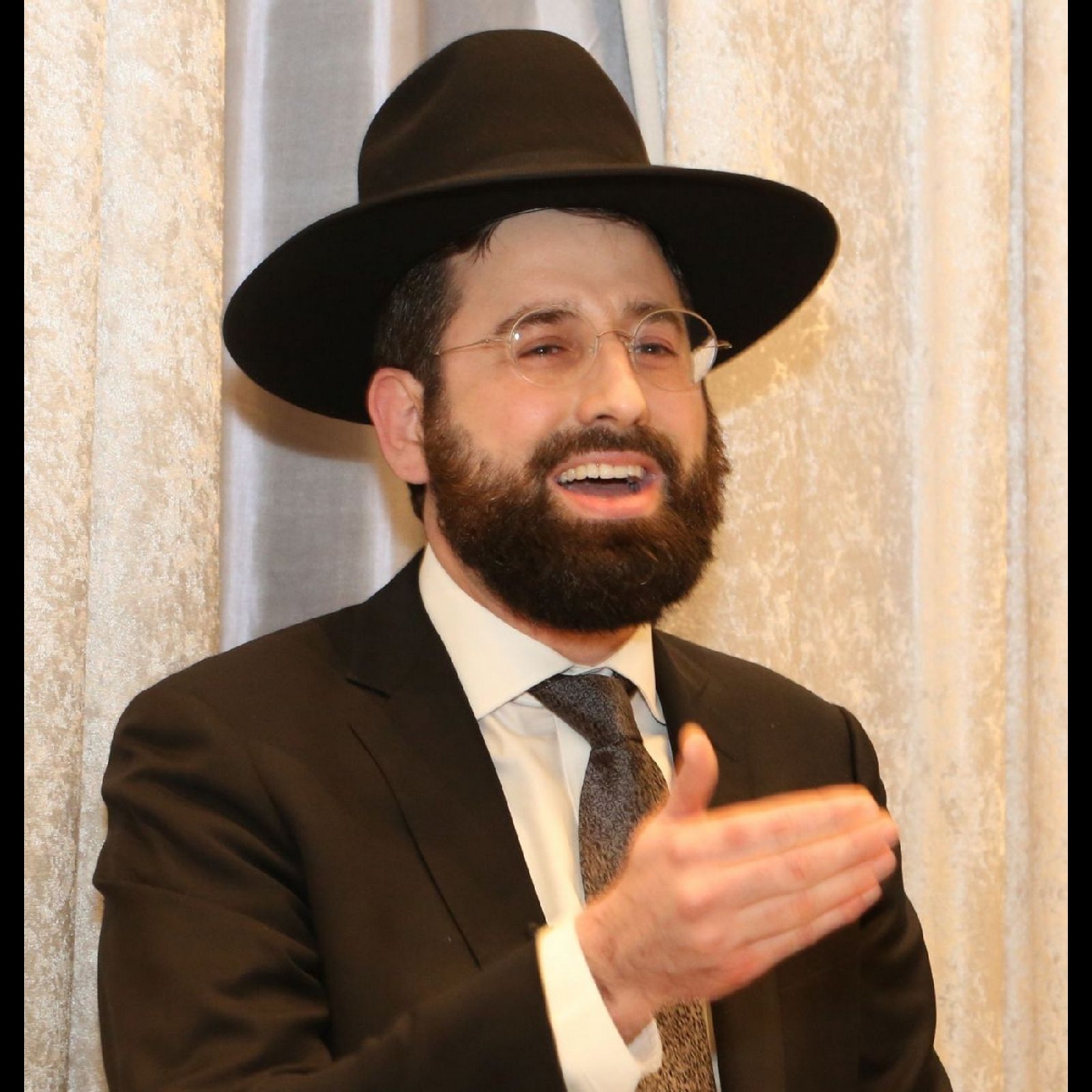
Daily Mishna by Jack Doueck
This podcast, entitled, “Daily Mishna” is a spin-off of a WhatsApp Chat where I teach one Mishna a day in a voice note that the participants listen to on their way to work or wherever and whenever they prefer. It isn't every single day of the week, and it covers only Mishnayot that I personally find to be especially stimulating. You do not need to know Hebrew to listen and you do not need to have learned Mishna before. The Mishna is the basis of the entire oral tradition of Judaism. Each Mishna lesson usually takes between 3 minutes and 9 minutes with exceptions. Enjoy!
Where to listen?
Podcasts in the app Replaio Radio Coming soonPodcasts are coming to the app soon. Install now and be the first to see a whole new take on podcasts
 Install for free
Android 5M+ downloads · 4.8 rating
iOS soon
Install for free
Android 5M+ downloads · 4.8 rating
iOS soon
Episodes
Berachot 7.4 - When can who are eating together split up? 04.12.2023 5:07
People who are eating together have an obligation to say "zimun". When can they split up?
Berachot 7.3 - What is the correct text of the Zimun? 04.12.2023 6:42
How does the text of the Zimun change when 3 people that eat together become 10, 100, 1000, 10,000 or more?
Berachot 7.2 - More on the practice of "Zimun" 04.12.2023 2:20
More information on the concept and practice of "Zimun: - the invitation to thank God for our food as a group. How much bread do we need to eat to say Birkat Hamazon?
Berachot 7.1. Introduction to the requirement to give of your income to the kohanim and Leviim 04.12.2023 9:53
Introduction to the various gifts to the kohen, Levi, the poor and how giving these gives affects the rules of "zimun".
Berachot 6.8 - What is "Birkat Hamazon" and when is it said? Three opinions! 03.12.2023 9:04
What was Birkat Hamazon called during the time of the Mishna and why? Who put it together? Which great figures of Jewish history created the various Berachot in this prayer? When do we say it according to Rabban Gamliel? When did Rabbi Akiva want us to say Birkat Hamazon? Was it only after bread? This Mishna is an eye-opener!
Berachot 6.7 - The concept of “Ikkar and Tafel”. Essential and subsidiary. 03.12.2023 4:38
The concept of “Ikkar and Tafel” - differentiating between the essential and the subsidiary - is a key concept in Judaism as well as in time management! This Mishna presents the general principal with Berachot.
Berachot 6.6 - Can one person say the Berachah for another? 03.12.2023 7:34
Can you eat an apple by saying "Amen" to my blessing on the apple? What are the rules for someone to exempt someone else from saying the blessing? Is there a difference between "Birkat Ha'Misvot" (blessings we say before doing misvot) and "Birkat Ha'nehenin" - blessings we say before partaking of food, beverage or incense?
Berachot 6.5 - Which berachot cover others? 03.12.2023 5:49
If we say Birkat Ha'mosi - we can eat bread and everything else on the table. This Mishna discusses which berachot cover others and which don't.
Berachot 6.4 - With various foods before us, which Berachah do we say first? 03.12.2023 8:36
This Mishna discusses the various opinions about the precedence of Berachot. If you have in front of you an apple and a date -- which one do you say the Berachah of Ha'etz on?
Berachot 6.3 - More on the Berachah of She’hakol 03.12.2023 4:25
This Mishna continues to discuss the blessing we make on most drinks, fish, meat, eggs, dairy products etc.
Berachot 6.2 - The power of Birchat “she’hakol” 03.12.2023 8:03
In some ways the Berachah of “She’hakol” is a lower level blessing that we reserve for foods that do not grow on trees or on the ground. We say it on water and meat and fish -- not on important items like wine or bread. However, Shehakol has power! Listen for a story of the Lubavitcher Rebbe and how he used the power of Shehakol to help him overcome adversity!
Berachot 6.1 - Which Berachot do we say on fruits, vegetables, wine, and bread? 03.12.2023 4:56
Chapter Six discusses the various Berachot we say on different types of foods and drinks.
Berachot 6.1. - Introduction to "Berachot Nehenin" and the definition of a Berachah. 03.12.2023 9:44
Introduction to "Berachot Nehenin" - blessings we say on things that give us pleasure such as food, drinks, etc. In this Mishna we define what a "Berachah" or blessing really is. Personal story about Rabbi Yisrael Wohgelernter of NYC added.
Berachot 5.5 - Rabbi Haninah Ben Dosa - a lesson in practicing to say our prayers. 03.12.2023 6:43
This Mishna discusses the care we should take when praying. Rabbi Hanina ben Dosa was a first-century Tana and miracle-worker and the pupil of Rabbi Yohanan ben Zakkai . He is remembered more for his conduct than for his halakhic teachings. There are no laws quoted in his name. His popularity, however, which he enjoyed throughout his life, and which rendered him immortal among the mystics, rest...
Berachot 5.4 - What does the hazan do if there are no kohanim or if there are kohanim? 03.12.2023 5:35
The Kohanim go up and bless the people during the repetition of the Amidah. What do we do if there are no kohanim? What if the only Kohen is the Hazan (the"sheliah sibur" or cantor)?
Berachot 5.3 - Be careful with the language of the prayers! 03.12.2023 7:41
This Mishna reminds us to be careful with the exact language and pronunciation of the prayers. No matter how passionate, we are all advised not to add our own lines - especially when we lead the congregation as "Hazan".
Berachot 5.2 - Where do we insert the additional prayers in the Amidah 03.12.2023 6:43
There are a few "additional prayers" that we insert into the Amidah. "Atah Honen" on Saturday nights or the nights after holidays; Ya'aleh ve'Yabo on Rosh Hodesh; "Al Hanisim" on Hanukkah and Purim; various prayers during the days between Rosh Hashanah and Yom Kippur; and praising God for rain is included in these 'additional prayers". Where are they...
Berachot 5.1 - How should we prepare our minds before saying the Amidah? 03.12.2023 5:59
How do we get into the right state of mind before standing before God to say the AmidaH? Can we interrupt our Amidah?
Berachot 4.7 - Is Musaf obligatory on an individual 03.12.2023 4:07
Is the afternoon "Additional Prayer" called "Musaf" obligatory on an individual?
Berachot 4.6 - Can we pray on a boat or a bus? 03.12.2023 2:28
Continuation of previous Mishna.... Can we pray on a boat or a bus?
Berachot 4.5 -Can you pray to God while sitting on a horse? 03.12.2023 6:25
Are we allowed to pray the "Amidah" (literally the 'standing prayer') while sitting on a horse?
Berachot 4.4. Building a relationship with God. “Hatob be’enechah aseh” 03.12.2023 8:23
Building a relationship with God: “Hatob be’enechah aseh” - the concept of 'surrendering' to the will of our omnipotent, omniscient, all-good, benevolent God.
Berachot 4.3 - Rabbi Yehoshua’s leniency with the Amidah 03.12.2023 7:20
Rabbi Yehoshua’s leniency with the Amidah.... he had a shortcut in times of need. Rabbi Joshua ben Hananiah יהושע בן חנניה - Rabbi Yehoshua , was a leading tanna of the first half-century following the destruction of the Second Temple . He is the seventh-most-frequently mentioned sage in the Mishnah. He was a Levi and served in the sanctuary as a singer. His mother intended him for a life...
Berachot 4.2 - The prayer we say upon entering the study hall 03.12.2023 6:20
This Mishna discusses the prayer we say upon entering the "Bet Midrash" - study hall
Berachot 4.1 - The Amidah, its basis, times and significance 03.12.2023 12:04
This Mishna discusses the Amidah, its basis, the times we say it and its significance.
Similar podcasts







Listen to the Daily Mishna by Jack Doueck podcast in Replaio
Radio and podcasts in one app - free, with no sign-up. Install today and do not miss the launch
Replaio is not a podcast publisher; show names, artwork and audio belong to their authors and are distributed through public RSS feeds.
