Michael Iversen
Budo Insights
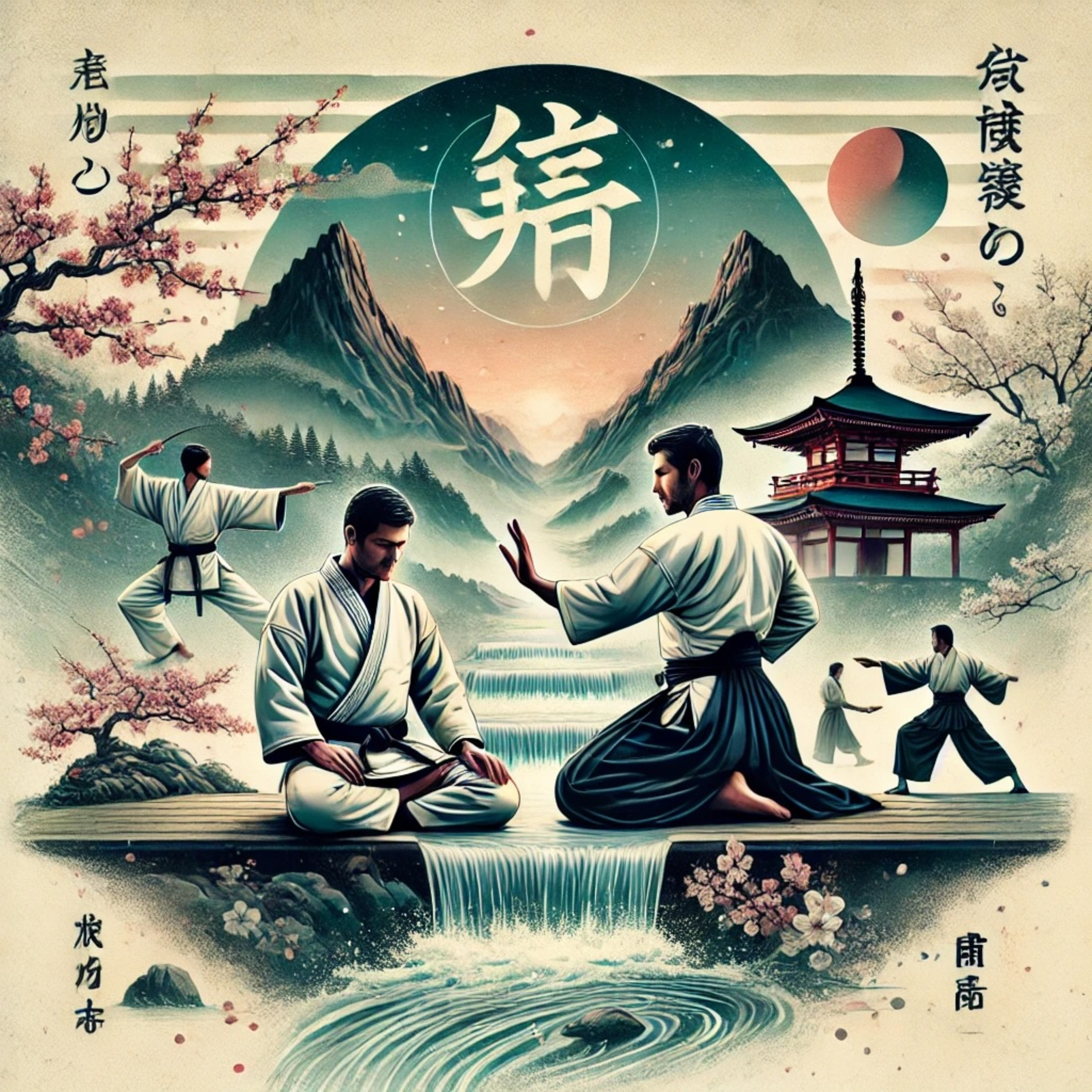
Welcome to Budo Insights, the podcast that delves deep into the world of martial arts. Whether you're a seasoned black belt or just beginning your journey, we bring you expert interviews, discussions on technique, philosophy, and the history behind the disciplines. Each episode is crafted by Michael Iversen from BudoWarrior.com in collaboration with an AI assistant, offering you valuable insights from masters, coaches, and martial artists who have dedicated their lives to the way of the warrior.
Be sure to visit the podcast's website and support the creator: www.budowarrior.com
Author
Michael Iversen
Category
Podcast website
Latest episode
Nov 4, 2025
Where to listen?
Podcasts in the app Replaio Radio Coming soonPodcasts are coming to the app soon. Install now and be the first to see a whole new take on podcasts
 Install for free
Android almost 10M downloads · 4.8 rating
iOS soon
Install for free
Android almost 10M downloads · 4.8 rating
iOS soon
Episodes
The Difference Between Techniques and Principles in Martial Arts 16.11.2024 3:08
The episode explains the crucial distinction between techniques and principles in martial arts. While techniques are specific physical movements like kicks and blocks, principles are the underlying concepts that govern their effective use, such as balance, timing, and distance. The text argues that understanding both aspects is essential for proficiency, as principles provide the framework for app...
Dojo 15.11.2024 6:14
A traditional Japanese martial arts training hall, known as a dōjō , is treated with respect and maintained meticulously. Shomen , the front of the dōjō, is the place of honor and features a Shintō shrine and other artifacts. Students and instructors enter the dōjō in designated locations based on their rank, and the dōjō kun (rules) are prominently displayed. Weapons and training equipmen...
Samurai women 14.11.2024 4:54
Samurai women, also known as onna-bugeisha, were skilled warriors who held various roles in Japanese history, from leading armies to defending castles and participating in battles. These women received rigorous training in martial arts, weapons handling, and military tactics, just like their male counterparts. They wielded traditional weapons such as bows, spears, and swords, and also employed spe...
Ma Gui 13.11.2024 21:52
Ma Gui, born in the mid-19th century, was a prominent Baguazhang martial artist who studied under Yin Fu and Dong Haichuan, the founder of Baguazhang. He was known for his rigorous training, particularly focusing on lower leg strength, and his devastating wrist strike, the "zhibi wanda." Ma Gui's teaching style was conservative, demanding high standards from his students, but he later became more...
Grading: A New, Personal Journey in Martial Arts 12.11.2024 17:55
The episode discusses the author's desire to create a more personalized and less formal approach to grading in Taekwondo, drawing inspiration from their experiences in other martial arts systems like Wing Chun and Ninjutsu. The author argues that traditional grading practices, often focusing on standardized tests, can fail to adequately acknowledge individual student progress and create a more eng...
Don’t think during practice 11.11.2024 6:03
According to renowned Budo master Masaaki Hatsumi, true understanding in martial arts comes from direct experience and action rather than intellectual analysis. Overthinking can hinder progress by preventing practitioners from fully immersing in the present moment, which is essential for developing spontaneous and intuitive responses. This philosophy aligns with the Zen concept of "mushin," a stat...
You will never be the same as your teacher 10.11.2024 4:48
The episode explore the core principles of martial arts training, emphasizing the importance of a student's humility, dedication, and willingness to learn. This is reflected in the Shu-Ha-Ri concept, where students begin by strictly following their teacher's instructions. The sources further highlight the holistic nature of martial arts by emphasizing openness, receptivity, and continuous learning...
Shu-Ha-Ri 09.11.2024 5:00
The Japanese concept of Shu-Ha-Ri outlines three stages of learning in martial arts and traditional arts. Shu, the first stage, emphasizes strict adherence to the teacher's instructions. Ha, the second stage, involves understanding the principles behind the techniques and personalizing them. Ri, the final stage, represents mastery and the creation of one's own unique style. This concept supports t...
The three fundamental types of kicks in Taekwondo 08.11.2024 14:33
This episode from a Taekwondo training manual explains the three fundamental types of kicks: underleg kicks, overleg kicks, and hip kicks. Each type emphasizes a different part of the body, but all involve elements of all three. Underleg kicks are fast and precise, overleg kicks deliver powerful blows, and hip kicks add rotational force. Mastering all three types is essential for developing a well...
Exploring the holistic benefits of martial arts for children 07.11.2024 4:25
The episode explores the benefits of martial arts training for children, acknowledging its potential to impart valuable life skills beyond self-defense. However, they caution against mandating such training, emphasizing that every child and family has unique needs. The author highlights the importance of introducing children to martial arts in a positive and non-coercive environment, allowing them...
Budo is a living, evolving practice 06.11.2024 5:33
The episode discusses the dynamic nature of Budo, emphasizing its focus on internalization and adaptation rather than rigid adherence to forms. It highlights the importance of developing the "heart of the warrior," which entails a lifelong journey of growth, self-discovery, and responsiveness to unique situations. The source encourages practitioners to embrace change and evolving understanding in...
Tsukahara Bokuden 05.11.2024 7:15
The episode discusses the philosophy of Tsukahara Bokuden, a Japanese swordsman who emphasized mental mastery and avoiding conflict as the highest form of martial arts. Bokuden believed that true strength lay in preventing violence, aligning with Sun Tzu's principle of "subduing the enemy without fighting." Bokuden's teachings continue to influence martial arts today, highlighting the importance o...
Honda Tadakatsu 04.11.2024 6:01
The episode highlight the impressive legacy of Honda Tadakatsu, a samurai general renowned for his undefeated record in 57 campaigns, earning him the moniker "The Warrior Who Surpassed Death." His loyalty to Tokugawa Ieyasu and his role in establishing the Tokugawa Shogunate exemplify the value of dedication in martial arts and leadership. Tadakatsu's legendary weapons, the Tonbokiri spear and Nak...
Miyamoto Musashi 03.11.2024 9:40
The episode is a summary of Miyamoto Musashi's life, clarifying some inaccuracies regarding the number and nature of his duels, his participation in battles, the proper spelling of his swordsmanship style, and the nature of his later life. It also highlights the legacy of his most famous work, The Book of Five Rings, and its lasting influence on martial arts and leadership principles.
Silent Dojangs 01.11.2024 5:58
The episode discusses the challenges of creating a more open and questioning culture in Taekwondo training. The author argues that while some students are comfortable asking questions, many are discouraged from doing so due to a perceived hierarchy and a culture of "learning later." The author suggests that encouraging questions through dialogues, group discussions, and dedicated question sessions...
Consistent warrior living 30.10.2024 5:01
The episode discuss the principles of martial arts mastery, particularly as espoused by Hatsumi Sensei, emphasizing the importance of consistent training and dedication over a lifetime. This dedication, described as "Bufu-Ikkan" or "consistent warrior living," involves perseverance through challenges and growth through periods of frustration called "molting." The episode highlights that true maste...
Mastering feedback in Taekwondo: Unlocking growth and development 29.10.2024 16:59
The episode explores the multifaceted nature of feedback in Taekwondo, highlighting its crucial role in both technical skill development and fostering mental strength and self-awareness in practitioners. The author emphasizes the importance of providing effective and tailored feedback that motivates, promotes learning, and fosters self-reliance. The episode provides a framework for instructors to...
Takeda Shingen 28.10.2024 3:44
Takeda Shingen was a powerful warlord during Japan's Sengoku period, known for his military brilliance and innovative tactics. He is famous for his cavalry formation, known as the "Kakuyoku," which provided his forces with greater flexibility and adaptability on the battlefield. Shingen's rivalry with other prominent figures like Oda Nobunaga and Tokugawa Ieyasu greatly influenced the political la...
Budo heart is the essence 27.10.2024 4:54
The episode argues that martial arts, or "Budo," are more than just physical techniques; they are a path to personal growth and spiritual fulfillment. The author emphasizes the importance of upholding the core values of martial arts, such as discipline, respect, and humility, rather than succumbing to commercialization. By cultivating these values, practitioners can honor the deeper meaning of mar...
One must not depend on strenght or weackness, or softness or hardness 26.10.2024 4:48
Both Toda Shinryuken and Soke Hatsumi, two renowned martial arts masters, emphasize the importance of embracing flexibility and adaptability in combat and life. They argue against rigid categorizations such as strong/weak or hard/soft, suggesting that true mastery lies in transcending these dualities and responding naturally and effectively to any situation. This approach requires cultivating a fl...
The Taekwondo belt system: A fundamental and exciting structure 25.10.2024 15:21
The episode presents a detailed explanation of the belt system in Taekwondo, exploring its seven key aspects: progression, motivation, structure, tradition, hierarchy, self-development, and community. The episode examines how the belt system promotes student development and its potential drawbacks, such as an excessive focus on belt attainment that can overshadow the core aspects of training. It e...
The achievements of children and young people should not be published or livestreamed 22.10.2024 6:41
The provided episode discuss the ethical concerns surrounding the public sharing of children's athletic achievements on social media, arguing that this practice can have negative consequences for their self-esteem and mental well-being. They emphasize that children should be encouraged to focus on personal growth and development rather than solely on results, suggesting that this shift in perspect...
Training of confidence and self-esteem in Taekwondo 21.10.2024 12:17
This episode explores the significance of self-esteem and self-confidence in Taekwondo training, emphasizing that they are distinct but interconnected concepts. The author asserts that while self-confidence is specific to particular skills, self-esteem represents a broader sense of personal worth. The episode goes on to provide various strategies for coaches to foster both self-esteem and self-con...
The five tenets of Taekwondo – What they represent, how they are conveyed in practice, and their impact on people 20.10.2024 14:39
This episode is a detailed analysis of the five core values of Taekwondo: humility , courage , perseverance , self-control , and indomitable spirit . The author explains the origin of these values in Korean culture, their impact on individuals personal development, and practical ways to teach them in a Danish context. The article emphasizes the importance of these values not only in Taekwondo...
Similar podcasts








Listen to the Budo Insights podcast in Replaio
Radio and podcasts in one app - free, with no sign-up. Install today and do not miss the launch
Replaio is not a podcast publisher; show names, artwork and audio belong to their authors and are distributed through public RSS feeds.