
Biblical-Literacy.org
Biblical Literacy Podcast
taught by Mark Lanier
Author
Biblical-Literacy.org
Category
Podcast website
Latest episode
Dec 7, 2025
Where to listen?
Podcasts in the app Replaio Radio Coming soonPodcasts are coming to the app soon. Install now and be the first to see a whole new take on podcasts
 Install for free
Android 5M+ downloads · 4.8 rating
iOS soon
Install for free
Android 5M+ downloads · 4.8 rating
iOS soon
Episodes
Lesson 31 - Paul's Life after Acts and 1 Timothy 13.01.2016
New Testament Survey – Lesson 31: Paul’s Life After Acts and 1Timothy A number of scholars believe Timothy was serving in Ephesus when he received the first of Paul’s two letters that bear his name. The rise of false teachers and leaders that had lost their way in the Christian life were focal points of Paul’s instructions. Timothy was to train for real godliness. He clarified the qualifications f...
Lesson 30 - Ephesians 08.01.2016
New Testament Survey – Lesson 31: Paul’s Life After Acts and 1Timothy Paul’s letter to the Ephesians begins with 10 English sentences that show his thankfulness to God for all He’s done through Jesus Christ. Paul is overwhelmed and overjoyed with God’s blessings. Mark points out how Paul experienced the mystery of Jews and Gentiles united as brothers and sisters in Christ. What a grand call to uni...
LGG 15 - The Nativity 15.12.2015
Life Group Greek: Lesson 15 – The Nativity in Matthew Matthews Nativity story is analyzed using the tools previously discussed in the Greek lessons, namely: Puns, Emphasis, Verbal Aspect, the Greek Y’all. The ‘take-aways’ include: The incarnate Jesus was not God with us. He is God with us! Generations come and go, but we can find Jesus each day in everyone. Jesus Christ came in the flesh! Matt. 1:...
LGG 14 - The Gentive Case 07.12.2015
Life Group Greek: Lesson 14 – The Genitive Case and the Faith of Christ The genitive case, as it is called, generally operates to limit a noun. This is the ending that is typically translated as “of”. The phrase, “the love of Christ,” which could either mean our faith in Christ, or, the faith that Christ has, is evaluated from all aspects of the genitive case citing various verses, such as: Rom. 3...
LGG 11 - Vocabulary: Greek Puns 18.11.2015
Life Group Greek: Lesson 11 – Greek Puns Puns are fun ways to play around with words and they make things memorable, humorous, interesting and though provoking. Puns also package two meanings into the same statement. There are numerous examples throughout the New Testament and unless one studies Greek one might miss the nuance provided by the puns. Six examples are included that range from Matthew...
LGG 10 - Vocabulary: Verbal Aspect Part 2 10.11.2015
Life Group Greek: Lesson 10 – Verbal Aspect Part 2 Further to last weeks lesson on the verb tenses, another way to illustrate the “aorist” tense is to consider a modern news report on a hurricane: the satellite view is likened to the “aorist” view, which is the most common tense used in Biblical Greek and it provides background information; the “on-the-scene” reporting is likened to the “present”...
LGG 09 - Vocabulary: Verbal Aspect 10.11.2015
Life Group Greek: Lesson 9 – Verbal Aspect The main Greek tenses are: ‘aorist’, ‘present’ and ‘imperfect’ and the ‘perfect’ tense. The ‘aorist’ tense occurs where the writer wants to show action as complete within itself, with no particular emphasis on the events spoken of. It is the “default” tense. When the ‘present’ and ‘imperfect tenses are used, attention is commanded. The action of these ver...
LGG 07 - Vocabulary: Theological Language 05.10.2015
Life Group Greek: Lesson 7- Theological Language There are Greek words that held a common meaning in their day, but also could hold a more specific meaning for the Christian community. This lesson will discuss how this could affect the translation of: “diabolos” or slanderer; “Church (“Ekklesia”), “Apostle”; and, “Grace” (Charis). The dichotomy in usage, between the secular and the sacred, calls f...
LGG 06 - Balaning (μέν, δέ) 25.09.2015
Life Group Greek: Lesson 6- Balancing Particles: A word expressing a mode of thought, considered either in isolation or in relation to another thought, or a mood of emotion. “Men” and “de”, are often used together as a contrast…on the one hand….and, on the other hand. There are many examples in the New Testament of the contrasts between one thought and another that use these terms to set them apar...
LGG 05 - Emphasis Part 2 20.09.2015
Life Group Greek: Lesson 5- Balancing In English, and particularly since the introduction of word processors, we have numerous ways of emphasizing our written words. We can use bold font, or underline word, or we can capitalize letters, or we can use punctuation. But the ancient Greek writers did not have these tools at their disposal. Instead they used word order or key words, or they used the se...
LGG 03 - Vocabulary Part 3 10.09.2015
Life Group Greek: Lesson 3 – Vocabulary The vocabulary words for this lesson are dikaios, which can be translated righteousness or justification; Hagios, or Holy; and, Pistis, which is translated as faith, or belief. Many of our English words are mixed from Germanic or Latin roots. In this case righteousness is from the Germanic root meaning, “just, upright, virtuous, guiltless, sinless: conformin...
LGG 02 - Vocabulary Part 2 30.08.2015
Life Group Greek: Lesson 2 – Vocabulary The vocabulary word for this lesson is elpis, which can be translated hope or confident expectation. This is in contrast to the hope one has in a winning lottery ticket. There are 53 instances where this word is used in the New Testament. The Apostle Paul used the word 36 times and in many of these references he combines it with faith and love. We see clearl...
LGG 01 - Vocabulary 27.08.2015
LGG 01 - Vocabulary One of the best ways to illustrate the difficulty on translating Greek into modern English is by considering several words as representative examples. Tetelestai, which is translated as “it is finished” and teleios, which is translated “perfect”, “mature”, or “full”, are investigated in the lesson this week. Key Words Translation, vocabulary, tetelestai, teleios, teleo, oracle,...
LGG 00 - Introduction 22.08.2015
LGG 00 - Introduction to Greek According to Wikipedia there are 104 English translations of the full Bible. Over time the English language usage has changed just as did the Greek language. Translators must try to make the new translations relevant and are forced to choose between “formal equivalence”, which is word for word translation, or, “dynamic equivalence”, which strives to reproduce what th...
CH23 Baptist History Part 1 and 2 15.08.2015
Church History: Chapter 23 – Baptist History – Part 1 and 2 Many associate the Baptist Church to the Anabaptist and Mennonite movement, which share the belief of “believer’s baptism”. The Free Church movement in England gave birth to a number of Christian expressions, and was to establish a faith and practice that was free form domination and “control” by “secular” or government forces. The printi...
CH 22 Gregory the Great 03.08.2015
Church History: Chapter 22 – Gregory the Great Gregory the Great was one of the four “Doctors” of the early Latin Church. He was born in 540 A.D. in a well to do Christian family in Rome. He spent six years in Constantinople where he spent a great deal of time teaching and defending the faith. When he returned to Rome he became the Pope and led the Church through the plague and invasions of the Lo...
CH21 Muhammad and Islam-Part 2 29.07.2015
Church History: Chapter 21 – Turning Points: Mohammad and Islam – Part 2 Although an initial and superficial glance can show Islam and Christianity having great similarities, there are numerous core belief differences. The core Christian truth that we are sinners saved by grace stands in direct opposition to the teaching of Islam; The Qur’an teaches that man makes choices to sin or live righteousl...
CH20 Muhammad and Islam-Part 1 21.07.2015
Church History: Chapter 20 – Turning Points: Mohammad and Islam Muhammad, was born around 570 A.D. Both of his parents died before he was six years old and he became a nomad joining a tribe of one of his relatives. Most of the information we have about him is second hand. He had numerous visions or dreams where he was “told by Gabriel” to “Recite.” These visions became commandments that were recor...
CH19 St. Patrick 21.07.2015
Church History: Chapter 19 – St. Patrick St. Patrick was born in Roman Britain, but at the age of 16 was taken to Ireland and put in slavery. He was put in charge of his master’s sheep and as he spent a lot of time away from family and friends he spent his time contemplating his sinfulness. God used this time of persecution and isolation to work in Patrick’s heart and mind and he gave his life to...
CH18 Monasticism 30.06.2015
Church History: Chapter 18 – St. Benedictine and Early Monasticism The secularization of the church had many effects, both good and bad. As the first Christian emperor, Constantine passed significant laws demonstrating a Christian influence on the state. But against this background of faith came lives of sin and disregard for the holy, which led to the rise of monasticism Among many of the monasti...
CH17 Turning Points The Papacy 15.06.2015
Church History: Chapter 17 – The Papacy Our English word “pope” comes from the Latin papa, and from the Greek word pappas. Even though these words were the common everyday expressions a child would use for his father, today the concept of “Pope” is more than a reference to a spiritual father. The Roman Catholic Church describes the Pope as the holder of many titles, but the focus of this lesson is...
CH16 St. John Chrysostom 05.06.2015
Church History: Chapter 16 – St. John Chrysostom St. John Chrysostom was one of the most loved and successful preachers in church history. His name is a combination of two words that mean, “golden mouthed.” His sermons connected with the everyday person’s life and struggles, offering direction and encouragement from God’s word. He was demanding on the holiness of his church members, but was even m...
CH15 St. Augustine-Part 2 29.05.2015
Church History: Chapter 15 Part 2– St. Augustine Augustine’s book, ‘Confessions’ could be considered an autobiography of sorts. This lesson focuses more the core principles of his theology. On good and evil, he says that only God is perfect. When God created us, He stated, it was “good” not perfect. God made good and when that good is corrupted, it becomes what we call “evil.” Pure evil is what is...
Similar podcasts





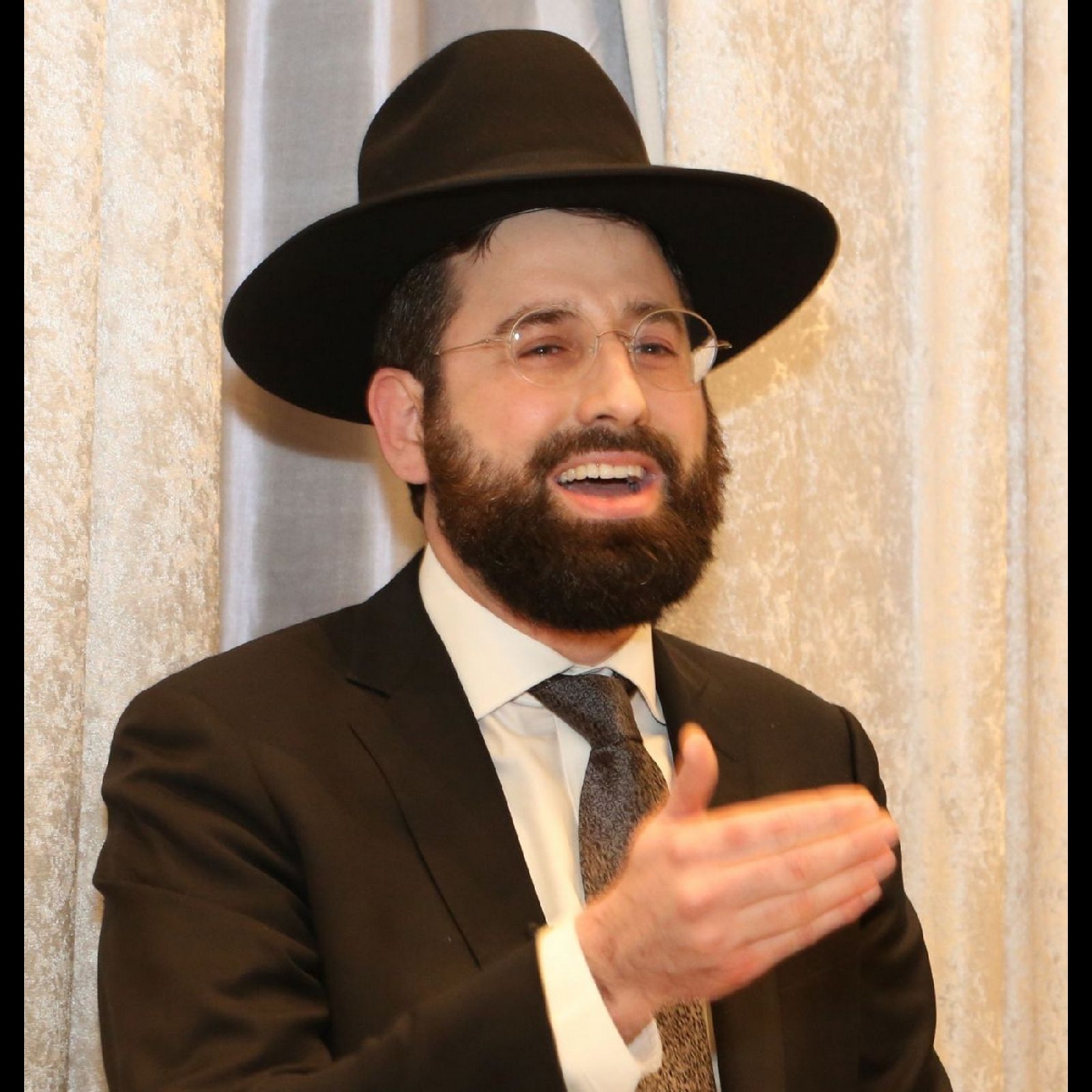


Listen to the Biblical Literacy Podcast podcast in Replaio
Radio and podcasts in one app - free, with no sign-up. Install today and do not miss the launch
Replaio is not a podcast publisher; show names, artwork and audio belong to their authors and are distributed through public RSS feeds.
