Rhythm Studios
Disaster Socialists
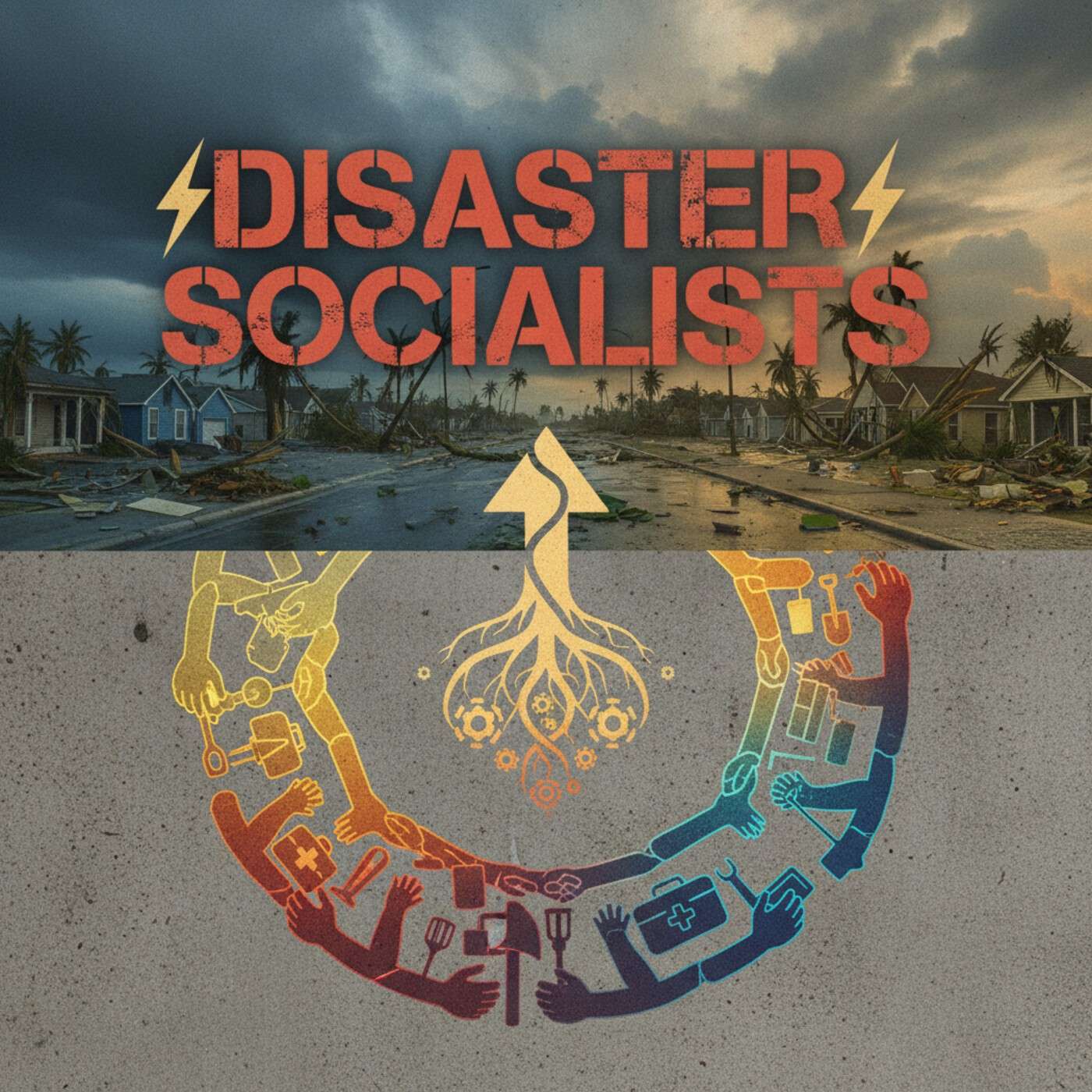
Communities that self-organize after natural disasters when official help is slow or absent. Documents the mutual aid networks that emerge in crisis and often continue long after. Shows that humans are naturally cooperative when systems fail—and questions why we don't organize this way all the time.
Hol hallgathatod?
Podcastok az alkalmazásban Replaio Radio HamarosanA podcastok hamarosan megérkeznek az alkalmazásba. Telepítsd most, és láss elsőként egy teljesen új megközelítést a podcastokhoz
 Telepítsd ingyen
Android közel 10 M letöltés · 4,8-as értékelés
iOS hamarosan
Telepítsd ingyen
Android közel 10 M letöltés · 4,8-as értékelés
iOS hamarosan
Epizódok
Solidarity Not Charity: The Radical Roots of Mutual Aid 10.09.2025 15:22
This episode explores the radical political origins and history of mutual aid as a practice of collective care and solidarity, tracing its roots back to 19th century anarchist and socialist movements. We'll look at how marginalized communities, from immigrant workers to Black Panthers, have used mutual aid to meet each other's needs and build power outside of state institutions. We'll also examine...
Grassroots Resilience: Mutual Aid in Disaster Response 03.09.2025 18:18
This episode explores how communities have historically come together to support each other in the aftermath of natural disasters, when official aid and government response has been slow or absent. We'll look at case studies like the Johnstown Flood of 1889, the Great Mississippi Flood of 1927, and Hurricane Katrina in 2005 to understand how ordinary people organized spontaneous networks of mutual...
Hasonló podcastok







Hallgasd a(z) Disaster Socialists podcastot a Replaióban
Rádió és podcastok egy alkalmazásban - ingyen és regisztráció nélkül. Telepítsd még ma, és ne maradj le a premierről
A Replaio nem podcastkiadó; a műsorok nevei, borítóképei és hanganyagai a szerzőiket illetik, és nyilvános RSS-csatornákon keresztül terjednek.