
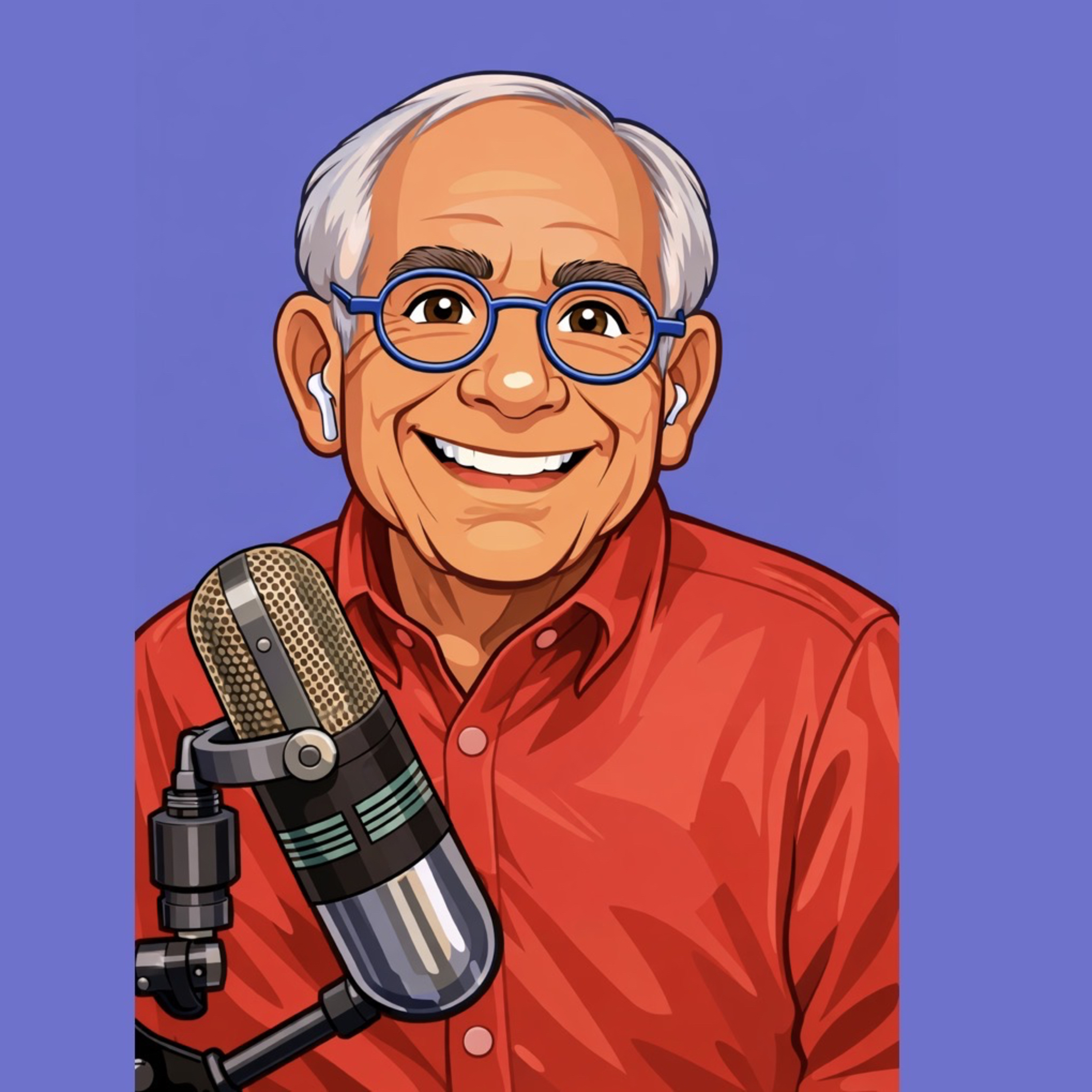
Zachary Olson
The EM Clerkship Podcast
Zack Olson, MD
Besuch unbedingt die Website des Podcasts und unterstütze die Macher: www.spreaker.com
Wo hören?
Podcasts in der App Replaio Radio Bald verfügbarPodcasts kommen bald in die App. Installiere sie jetzt und erlebe als Erster einen ganz neuen Blick auf Podcasts
 Kostenlos installieren
Android fast 10 Mio. Downloads · Bewertung 4,8
iOS bald
Folgen
Back Pain 05.02.2017 8:26
Step 1: Identify Classic Red Flags for Can’t Miss Diagnoses Aortic Dissection and Abdominal Aortic Aneurysm (AAA) Age >50 Hypertension “Ripping” or “Tearing” pain Absent pulses in lower extremities Spinal Infections Fever Immunocompromized HIV Diabetes mellitus Transplant patients Spinal cord compression (especially cauda equina) Urinary retention Consider obtaining post-void residual Saddle an...
Dental Pain 15.01.2017 9:59
Minor complaint. Huge SLOE points! Step 1: Identify Which Tooth is Causing Pain Bonus points if you number teeth correctly! Number 1-32 Tooth #1 is top right Tooth #32 is bottom right Refer to dental chart for reference Step 2: Correct Terminology When Making Diagnosis Pulpitis Pain in the tooth itself Reversible Triggered by hot/cold […]
Vertigo 08.01.2017 8:36
Does the patient have CENTRAL vertigo (bad) or PERIPHERAL vertigo? Step 1: How Does Patient Describe the Vertigo? Asking the patient to describe their dizziness has since been disproven… (However, the classic teaching is) Central vertigo Mild Vague Peripheral vertigo Severe Sudden Step 2: What Are the Associated Symptoms? Central vertigo frequently associated with “The […]
Hyperkalemia 01.01.2017 9:58
Hyperkalemia = EKG… EKG changes = Calcium… Step 1: Recheck the Potassium Most common cause of hyperkalemia is PSEUDOhyperkalemia Caused by too aggressive/fast of a blood draw Causes RBCs to break open and falsely increase serum potassium Step 2: Get an EKG Earliest EKG change Peaked T waves Late EKG changes Flattened P wave Prolonged […]
How to Interpret a Chest X-Ray 11.12.2016 9:07
A-B-C-D-E-F-G Two Types of X-Rays Anterior-Posterior (“AP”) Classic “portable” xray The beam shoots from in front of the patient (anterior) TO The plate sitting behind the patient (posterior) Posterior-Anterior (“PA”) Requires trip to radiology Results in a better picture The beam shoots from behind the patient (posterior) TO The plate sitting in front of the […]
Trauma in Pregnancy 06.12.2016 9:55
Mom is Scared. You are Scared. Don’t Be Scared. General Principles Evaluate for intimate partner violence in all poorly explained traumas during pregnancy Get the scans you would order in a non-pregnant patient, even CTs! Shield the uterus if necessary Basic Approach to Trauma in Pregnancy Step 1: Place mother in left lateral decubitus position […]
Genitourinary Trauma 13.11.2016 9:31
Four important injuries. Four different imaging studies to obtain. Step 1: Obtain Pelvic X-Ray Commonly performed at bedside as part of initial trauma evaluation A pelvic injury significantly increases risk of GU injury Step 2: Examine the Perineum Common signs of GU injury Blood at urethral meatus Bruising of the perineum Step 3: Obtain Urinalysis […]
Abdominal Trauma 06.11.2016 8:59
Step 1: Does This Patient Need Surgery NOW? Obvious penetrating injury to abdomen Peritonitis Hypotensive Step 2: FAST Scan Performed with bedside ultrasound machine Blood/intra-peritoneal fluid is hypoechoic (black) in appearance Four views required Right upper quadrant Probe marker points towards patient’s head “Morrisons Pouch” Potential space between liver and right kidney Left upper quadrant...
Cardiac Trauma 30.10.2016 9:58
Cardiac tamponade. Aortic Dissection. Blunt cardiac injury. Cardiac Tamponade Blood fills pericardial sac Increasing pressure on myocardium -> Decreased preload Decreased preload -> Hypotension -> Death Clinical exam shows Beck’s Triad Hypotension Muffled heart sounds Jugular venous distension (JVD) Diagnosed during FAST exam (subxiphoid view) Treat with pericardiocentesis Bedside thoraco...
Thoracic Trauma 16.10.2016 9:49
Step 1: Perform ATLS Primary Survey (B- Breathing) Signs of respiratory distress/injury Shortness of breath Hypoxemia Tracheal deviation Diminished breath sounds Step 2: Consider Performing Bedside Tube Thoracostomy Insert at 5th intercostal space just anterior to mid-axillary line Step 3: Imaging Start with portable bedside chest x-ray Pneumothorax can also be diagnosed by thoracic ultrasound […]
Neck Trauma 09.10.2016 9:03
The hardest question… Should you get a CTA? Blunt Trauma of Neck Obtain CTA if… Patient has neurologic deficit Numbness Weakness Visual changes Patient sustained forceful impact to the neck Patient has fracture Basilar skull Facial bones Cervical spine Penetrating Trauma of the Neck Go to OR if patient is unstable Go to OR if […]
C-Spine Trauma 02.10.2016 9:58
Step 1: Protect the Spine Apply cervical collar Step 2: Apply NEXUS Criteria Use the “SPINE” mnemonic Spinal midline tenderness Painful distracting injury Intoxication Neurologic deficit Encephalopathy Step 3: If Patient Has None of the NEXUS Criteria… You Are Done! Step 4: If Patient Has Positive NEXUS Criteria… Obtain CT scan of the cervical scan […]
Facial Trauma 25.09.2016 9:39
There are 6 major areas/injuries to the face. Basic Approach to Facial Injury Step 1: Airway Indications for intubation after trauma Burns to the airway Rapidly expanding hematoma GCS <8 Step 2: CT Maxillofacial Without Contrast Step 3: Supportive Care Stop bleeding Apply pressure Control epistaxis Caution advised with packing if patient has basilar skull […]
Head Trauma 11.09.2016 9:58
CT scan without contrast is your test of choice. Step 1: Consider Your Differential Diagnoses Five high-yield head trauma diagnoses Skull fracture External skull fracture Basilar skull fracture Epidural hematoma Subdural hematoma Traumatic subarachnoid hemorrhage (SAH) Concussion Step 2: Important Add-ons When Taking History Specific mechanism of injury Loss of consciousness Blood thinners/antipla...
Abdominal Pain Basics 28.08.2016 8:45
Elderly people die from abdominal pain Step 1: Risk Stratify Certain patient groups have VERY high mortality when having abdominal pain Geriatrics Immunocompromised Diabetics Step 2: Consider Genitourinary Causes Be especially cautious with lower abdominal/flank pain Mention that you performed or considered performing GU exam during presentation! Common GU causes of abdominal pain Testicular/ovari...
Stroke 21.08.2016 8:08
Get your attending! Step 1: Obtain Last Known Well Stroke treatments including tPA and thrombectomy both require last known well <3-4.5 hours for tPA <24 hours mechanical thrombectomy Step 2: Finger Stick Blood Glucose Hypoglycemia is classic mimic of CVA Results can be obtained immediately Step 3: STAT Head CT Without Contrast Poor sensitivity for […]
Shortness of Breath 14.08.2016 8:20
You need an organized, anatomical approach. Step 1: Consider Differential Diagnosis Upper airway Angioedema Foreign body Abscess Lower airway COPD Asthma Alveoli Pneumonia Pulmonary edema Blood Anemia Acidosis DKA Sepsis (lactic acid) Toxins (salicylic acid) Blood vessels Pulmonary embolism Aortic dissection Heart Myocardial infarction Acute heart failure Cardiac tamponade Step 2: Examine Anatomic...
Syncope 07.08.2016 9:39
6 EKG Findings. 6 Risk Factors. 6 Mimics. Step 1: Get an EKG This is the only “required” test for a patient with syncope Other common tests CBC Evaluate for anemia hCG If patient might be pregnant Step 2: Look For 6 High Risk EKG Patterns Mnemonic: QT-BRIDE QT prolongation Especially QTc >500 Brugada pattern […]
Common Pain Medications 24.07.2016 9:43
Acetaminophen. Ibuprofen. Hydrocodone. Ketorolac. Morphine. Hydromorphone. Oral Acetaminophen (Tylenol) Give every 4-6 hours Regular strength – 325mg Extra strength – 500mg Maximum Daily Dose – 3000mg Oral Ibuprofen (Advil) NSAID Give every 4-6 hours Regular strength – 200mg Therapeutic Ceiling – 400mg Oral Hydrocodone-Acetaminophen (Vicodin, Norco) Give ever 4-6 hours Common doses – 5-325mg, 7.5-...
STEMI 17.07.2016 8:18
You have 90 minutes to restore blood flow. Step 1: Obtain EKG and Call STEMI Alert This activates ED resources as well as cath lab, interventional cardiology, etc Step 2: Stop the Platelets Dual anti-platelet therapy Aspirin 325mg chewed (or PR) Plavix 600mg (not usually given in ED) Complicates management if patient needs CABG Step […]
Altered Mental Status 11.07.2016 9:54
Mnemonic: AEIOU-TIPS Step 1: Evaluate the Airway General principles “If they can’t speak, they can’t control their airway” “If GCS is <8, intubate” In the real world, it’s a clinical judgement call Postictal patients? Intoxicated patients? Step 2: Point of Care Labs Finger stick blood glucose EKG Dysrhythmia? Ischemia? Abnormal intervals? Pregnancy test Step 3: […]
Toxicology 04.07.2016 8:14
Poison Control Hotline: 1-800-222-1222 Step 1: Evaluate the Airway General principles “If they can’t speak, they can’t control their airway” “If GCS is <8, intubate” In the real world, it’s a clinical judgement call Step 2: Toxicology History What did they take? How much did they take? Why did they take it? When did they […]
BRUE (Pediatrics) 20.06.2016 9:56
3 Categories: High Risk BRUE. Low Risk BRUE. Not a BRUE. Step 1: Is This a BRUE? Brief <60 seconds Resolved Exam and vitals back to baseline in the ED Unexplained No symptoms other than event itself Event Concerning change in any of the following… Tone Color Breathing Mental status Step 2: Is This Low […]
Trauma 06.06.2016 8:45
Airway/C-spine. Breathing. Circulation. Disability. Exposure. Secondary Survey. Airway and C-Spine General airway principles “If they can’t speak, they can’t control their airway” “If GCS is <8, intubate” In the real world, it’s a clinical judgement call General c-spine principles Clear c-spine with NEXUS/Canadian rules Otherwise stabilize spine and place in cervical collar Breathing If patient...
Priapism 30.05.2016 6:55
The nerve, artery, and vein are at 12 o’clock. The urethra is at 6 o’clock. Two Types of Priapism High flow (non-ischemic) Common causes Trauma AV malformations Tumors Priapism from too much blood coming IN Not painful Consult urology Low flow (ischemic) Common causes Sickle cell disease Drug side-effects Priapism from blood being unable to […]
Ähnliche Podcasts






Höre den Podcast The EM Clerkship Podcast in Replaio
Radio und Podcasts in einer App - kostenlos und ohne Anmeldung. Installiere sie noch heute und verpasse den Start nicht
Replaio ist kein Herausgeber von Podcasts; die Namen der Sendungen, Cover und Audioinhalte gehören ihren Autoren und werden über öffentliche RSS-Feeds verbreitet
